


bolt clamp manufacturer and supplier
A bolt clamp is a heavy-duty fastening device designed to secure hose connections, pipelines, and fittings under high pressure. It consists of a sturdy metal band tightened by a bolt and nut, ensuring a strong, even compression around the hose. Bolt clamps are commonly used in automotive, industrial, and agricultural applications where durability and sealing strength are critical.
HWKG has developed into a national high-tech enterprise recognized for its advanced R&D center, professional technical team, and intelligent production management. Backed by certifications such as ISO9001, IATF16949, and CUPC, HWKG ensures every bolt clamp meets rigorous international quality standards.
types of bolt clamps we manufacture
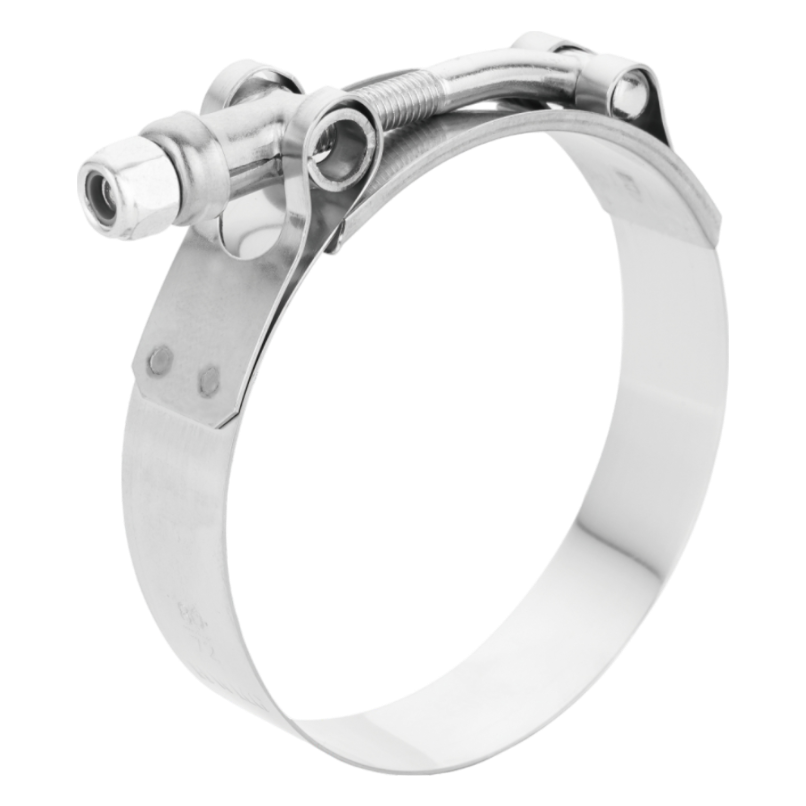
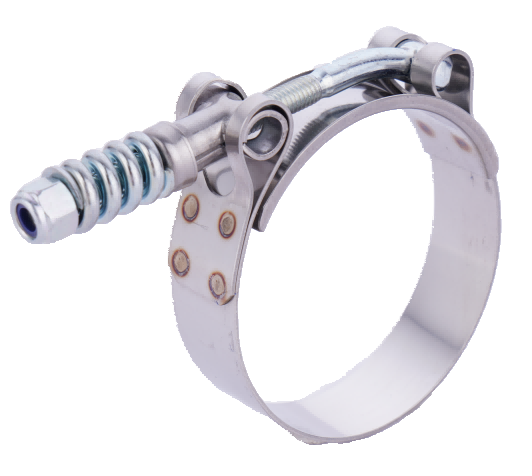
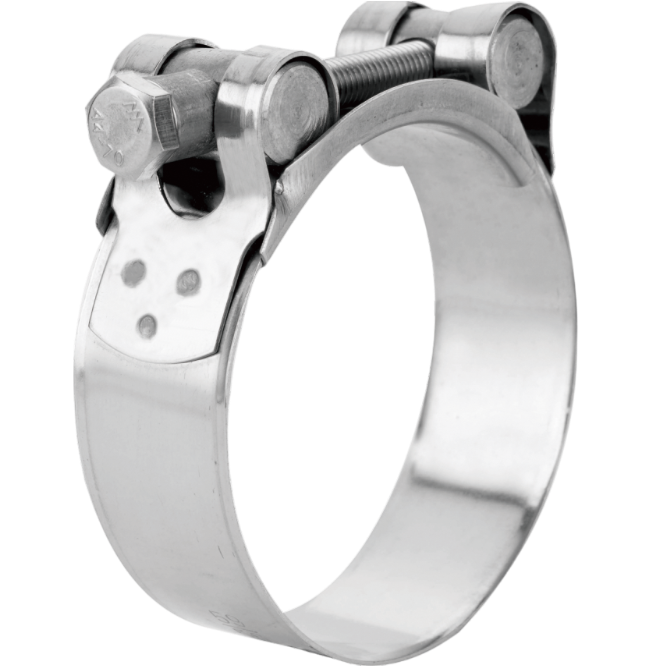
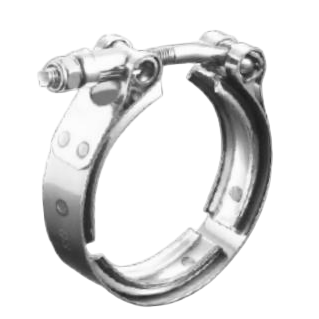
why choose HWKG as your bolt clip supplier?
HWKG is your reliable partner for bolt clip, we deliver dependable solutions for customers worldwide. When you choose HWKG, you can expect:
intelligent manufacturing and quality assurance
Automated production lines, ERP management, and full ISO/IATF certifications ensure every clamp meets international standards with stable quality and efficiency.
global market recognition and reliability
HWKG supplies major automotive, machinery, and industrial clients in China, Europe, and America, earning a strong reputation for consistency and dependability.
patented technology and product innovation
HWKG owns 2 invention patents and over 20 utility model patents, applying these innovations to optimize bolt clamp strength, corrosion resistance, and sealing efficiency in various industrial applications.
bolt pipe clamp FAQ
How to use a bolt clamp?
1. Prepare the surfaces
Clean both the hose and pipe ends thoroughly, removing dirt, rust, grease, or burrs. Proper surface preparation ensures a tight seal.
2. Position the clamp
Slide the bolt clamp over the hose or pipe end. Ensure the clamp is centered over the joint and that the hose is fully seated on the pipe or fitting.
3. Tighten the bolt
Use a wrench or socket to tighten the bolt gradually. Apply torque evenly to compress the clamp without over-tightening, which could damage the hose.
4. Check alignment and seal
Ensure the clamp is straight and evenly compressed around the circumference. Inspect the connection for gaps or misalignment.
5. Test the system
Run the system under normal operating conditions and check for leaks. Re-tighten the clamp slightly if necessary to maintain a secure seal.
how to measure bolt clamping force?
1. prepare a torque wrench and tighten gradually
Select a calibrated torque wrench suitable for the bolt size of your clamp. Tighten the bolt gradually, following the manufacturer’s recommended torque specification.
2. Use load-measuring tools for precision
For critical applications, load cells or specialized clamp force gauges can measure actual axial force exerted by the clamp. These devices provide direct feedback and ensure compliance with safety standards.
3. Inspect visually and functionally
After tightening, inspect the clamp for even compression and test the system under operating conditions to verify leak-free performance.