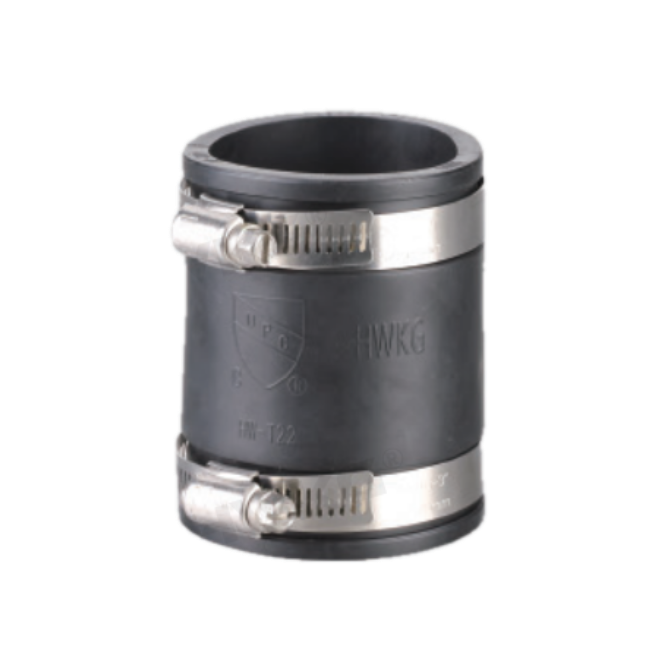
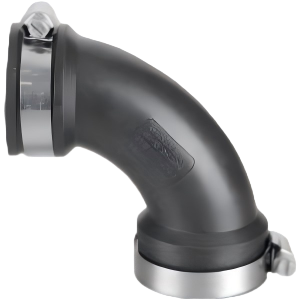
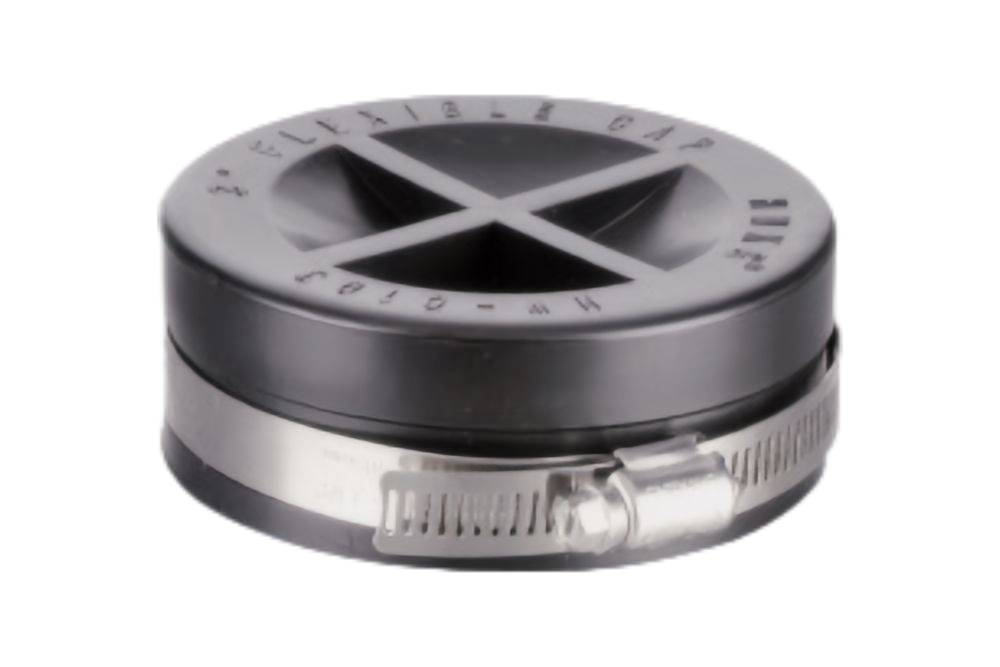
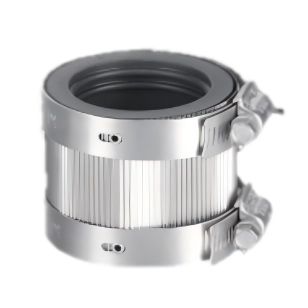
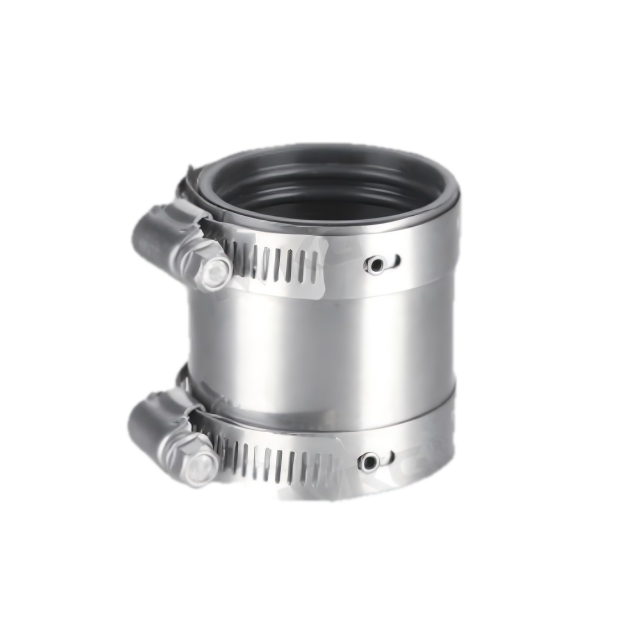
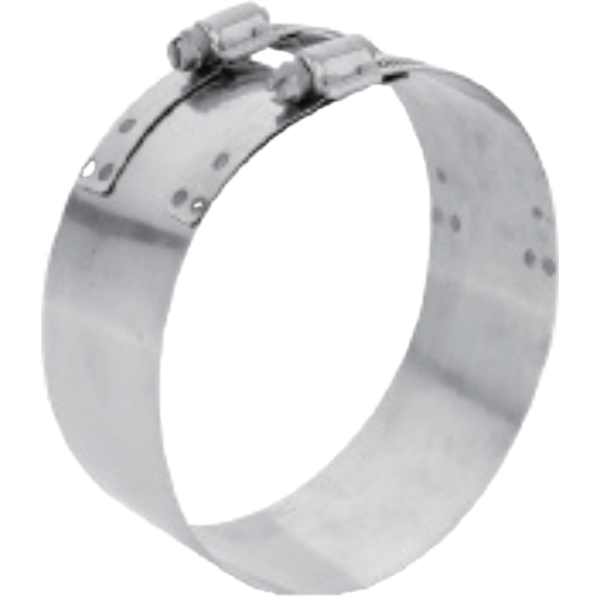
A pipe coupling is a mechanical device used to connect two pipes, allowing fluid, gas, or other materials to flow smoothly between them. Couplings can accommodate different pipe materials, diameters, and alignments, while providing leak-proof sealing and structural support. They are widely used in plumbing, HVAC, industrial pipelines, and automotive systems.
With multiple patents, ISO9001, IATF16949, and CUPC certifications, and a skilled technical team, HWKG delivers durable, high-performance pipe couplings to clients worldwide, supporting automotive, construction, and industrial applications.
HWKG is your reliable partner for pipe couplings, we deliver dependable solutions for customers worldwide. When you choose HWKG, you can expect:
standardized production and quality control
We utilizes a dedicated R&D center and semi-physical simulation to design pipe couplings with precision, durability, and optimized performance.
trusted partner of global clients
We has earned the confidence of leading brands like Rowes, Autozone, and HUAWEI, providing consistent, high-quality pipe couplings worldwide.
advanced r&d and simulation capability
We utilizes a dedicated R&D center and semi-physical simulation to design pipe couplings with precision, durability, and optimized performance.
pipe coupling FAQ
what are the three types of coupling?
1. Rigid Coupling A rigid coupling firmly connects two pipes together, typically made of metal or hard plastic. Its main characteristic is a strong, immovable connection, suitable for applications where pipe stability, sealing, and strength are required. Rigid couplings are commonly used in threaded metal pipes or permanent PVC pipe connections.
2. Flexible Coupling Flexible couplings offer a degree of flexibility, allowing for slight pipe movement, thermal expansion and contraction, or vibrations. They are usually made of rubber with metal clamps for secure attachment. Flexible couplings are widely used in drainage, sewer systems, or pipelines that require vibration resistance. They not only simplify installation but also help prevent damage from stress or movement.
3. Reducing Coupling (or Reducer) Reducing couplings are used to connect two pipes of different diameters, ensuring smooth fluid transition. They can be concentric (aligned center) or eccentric (offset center) depending on the pipe alignment requirements. Reducing couplings are commonly applied in piping systems that require a change in pipe size, maintaining proper flow rate and minimizing pressure fluctuations.
how to install pipe coupling
1. Prepare the Pipes Measure and cut the pipes to the needed length. Smooth the edges with sandpaper or a file and clean the pipe ends to remove dirt, oil, or rust.
2. Prepare the Coupling For rigid couplings, apply sealant or plumber’s tape to the pipe threads if required. For flexible couplings, loosen the clamps so the coupling can slide onto the pipe easily.
3. Connect the Pipes Slide the coupling onto the first pipe. Align the second pipe and insert it into the other side of the coupling so the pipes meet properly.
4. Secure the Coupling For rigid couplings, tighten the connection with a wrench until secure, being careful not to overtighten. For flexible couplings, tighten the clamps evenly so the coupling fits snugly without damaging the rubber.
5. Test the Connection Turn on the water or fluid flow and check for leaks. If necessary, tighten the clamps or reapply sealant to ensure a leak-free joint.