


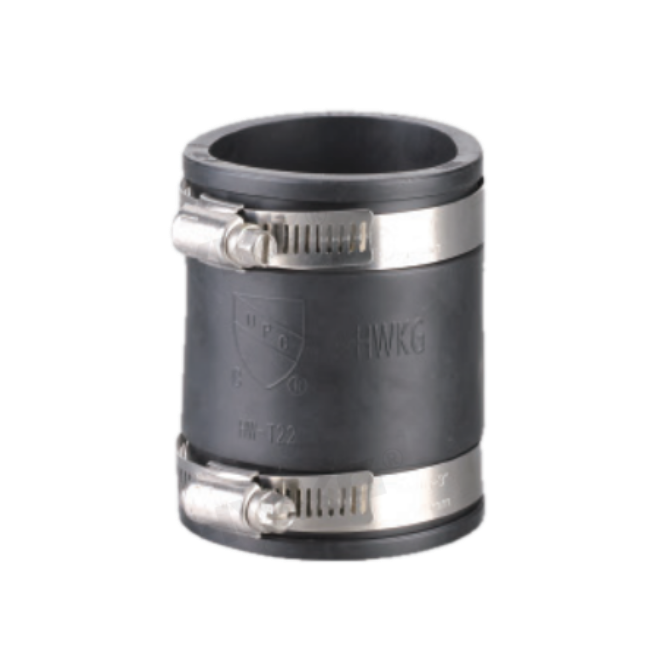
Flexible couplings are split into four main groups. These are mechanical, elastomeric, metallic, and specialty couplings. Each group uses different ways and materials to work. They help machines deal with misalignment, vibration, and movement. The worldwide market for these couplings keeps growing. It reached over USD 1.5 billion in 2023. Industries like automotive and manufacturing need stronger connections.
| Type of Coupling | Construction Description | Typical Applications |
|---|---|---|
| Mechanical Flexible Couplings | Use loose parts, rolling, sliding, or bending for flexibility. | Metal industry, pumps, blowers, compressors, mixers. |
| Metallic Membrane Couplings | Use bending metal parts and need little care. | High-speed, petrochemical, and tough environments. |
| Miscellaneous Couplings | Mix special designs or ways of working. | Agriculture, construction, papermaking, food processing. |
Knowing these differences helps engineers and technicians choose the best coupling. This makes machines work better and last longer.
Key Takeaways
- Flexible couplings have four main types: mechanical, elastomeric, metallic, and specialty. Each type is made for different engineering jobs.
- Mechanical couplings are strong and stiff. They are good for steady loads. You need to check them often to keep them working well.
- Elastomeric couplings take in shocks and vibrations. This makes machines quieter. They are light and can handle misalignment easily.
- Metallic couplings last a long time and work in hard places. They need oil and are best for jobs with lots of force.
- Specialty couplings are made for special tasks. They let you fix and adjust things quickly. They help in plumbing and HVAC systems.
Types of Flexible Couplings
Flexible couplings fit into four main groups. Each group uses different materials and designs. These help solve special engineering problems. The main types are mechanical, elastomeric, metallic, and specialty couplings. Knowing these groups helps engineers and technicians pick the right one.
Mechanical Flexible Couplings
Mechanical flexible couplings have moving parts like gears or chains. These parts let the coupling bend and move. They are very stiff and do not twist much. They work best with loads that do not change speed quickly. These couplings are not good for machines with lots of shocks.
Tip: You need to oil and check mechanical flexible couplings often.
Mechanical flexible couplings use strong metal parts. This helps them handle a lot of force. They do not wear out fast. But they do not stop vibration well. They also need to be lined up just right. People use them in pumps, blowers, compressors, and mixers.
Elastomeric Flexible Couplings
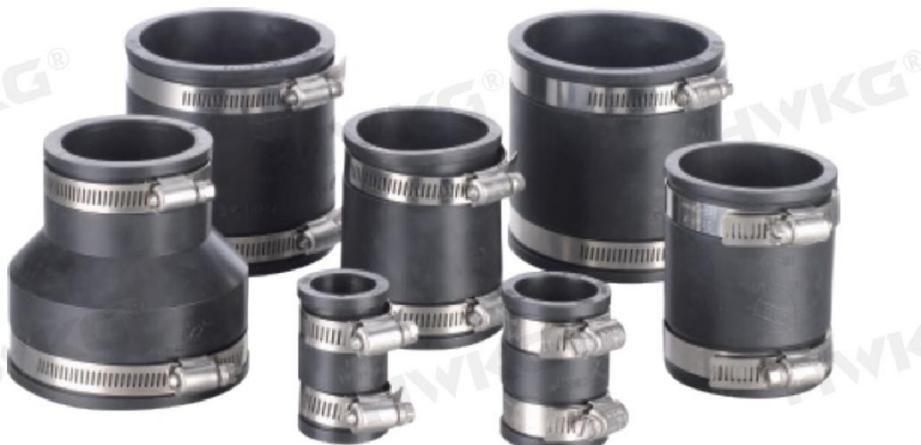
Elastomeric flexible couplings use rubber or plastic parts. These parts connect the shafts. They soak up vibration and shocks. This makes machines quieter and smoother. They can handle more misalignment than mechanical types.
Elastomeric couplings are great at stopping vibration.
- They can handle shafts that are not lined up.
- These couplings are light and cost less than many others.
- The rubber or plastic lasts a long time.
Elastomeric flexible couplings are used in machines, conveyors, and places where noise matters.
Some elastomeric couplings, like the HWKG Flexible Pipe Coupling, meet strict rules. These rules make sure they are safe and good for plumbing and industry.
Metallic Flexible Couplings
Metallic flexible couplings are made from all metal. They use gears, grids, discs, or bellows. These couplings are very strong. They can handle a lot of force. They work well in hot places and where movement must be exact.
Metallic flexible couplings are used in heavy industry and fast machines. They are chosen when strength and lasting a long time are important.
Specialty Flexible Couplings
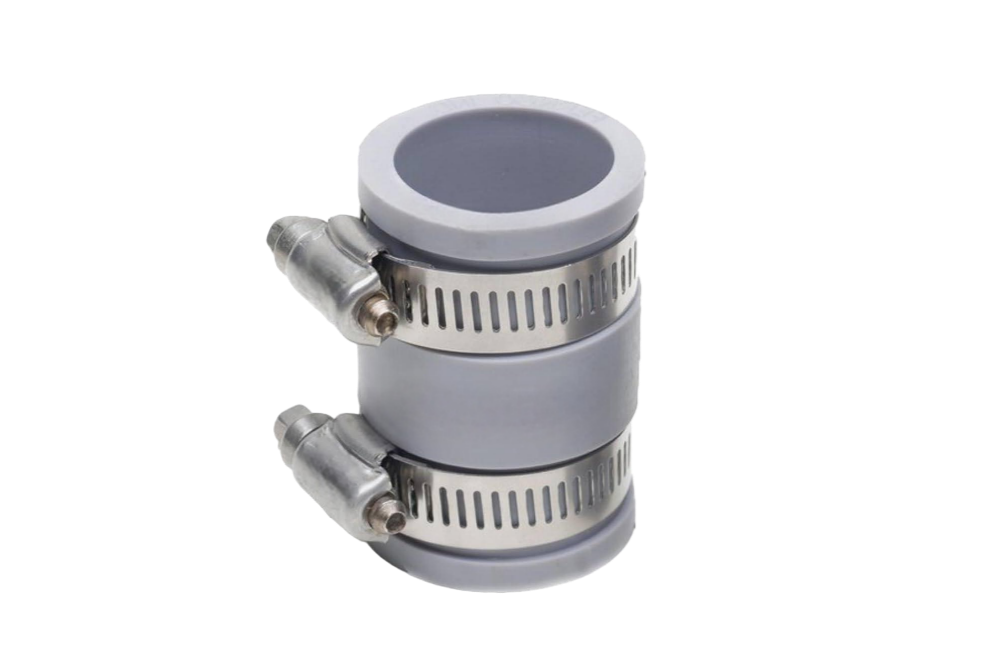
Specialty flexible couplings are made for special jobs. They often mix features from other types. These couplings can join pipes or shafts made from different things. They also let you fix or adjust things quickly.
- Specialty couplings are used in plumbing, water systems, HVAC, and farms.
- They stop leaks and can handle ground movement or heat changes.
- Some specialty couplings, like those in planes, must meet tough safety rules.
Note: Specialty flexible couplings make fixing things faster. They help reduce machine downtime.
Each of the four main types of flexible coupling has its own benefits. Mechanical flexible couplings are strong and stiff. Elastomeric types stop vibration and are flexible. Metallic couplings are tough and last long. Specialty couplings help with special problems in hard places.
Mechanical Flexible Coupling Types
Mechanical flexible couplings connect spinning shafts. They let shafts be a little off-center. These couplings use different designs to handle force and shocks. They help machines run well and last longer. Here are the main types:
Gear Couplings
Gear couplings have two hubs with gears outside. They also have a sleeve with gears inside. This setup lets them move a lot of force. They can handle up to 175% more force than normal. Gear couplings work in big machines like pumps and mixers. They let shafts be a bit out of line.
Gear couplings are strong and dependable. They need oil often to work well.
Grid Couplings
Grid couplings use a steel grid that fits in grooves. The grid soaks up shocks and cuts down vibration. Grid couplings work well in fast and strong machines. Their design keeps equipment safe from sudden force. They do not handle misalignment as well as some other types.
- Grid couplings are used in machines that need strength and less vibration.
Pin-Bush Couplings
Pin-bush couplings use pins and rubber bushes to join hubs. The bushes act like cushions and cut down vibration. They let shafts be a bit off-center. These couplings need little care. They help machines last longer by stopping breakdowns.
- Pin-bush couplings are good for tough jobs. They can move a lot of force and power.
Oldham Couplings
Oldham couplings have two hubs and a center disc. The disc slides between the hubs. This lets shafts be side-by-side but not lined up. Oldham couplings are used in machines that need to be exact. They help keep machines accurate even if shafts are not perfect.
Chain Couplings
Chain couplings use roller chains to join two hubs with teeth. This type is simple and easy to put in. Chain couplings can handle some misalignment and move a lot of force. They are found in mixers, conveyors, and other machines.
Mechanical flexible couplings give many options for different jobs. Each type has its own strengths for machines.
Elastomeric Flexible Coupling Types
Elastomeric flexible couplings use rubber or plastic parts. These parts connect shafts or pipes. They soak up vibration and cut down noise. They let connected parts be a little off-center. Many industries pick these couplings because they protect machines. They also help machines last longer.
Jaw Couplings
Jaw couplings have two metal hubs and a spider. The spider is made of elastomer. It sits between the hubs and soaks up shocks. This setup lowers vibration and noise. Jaw couplings can handle some misalignment. If the spider breaks, the hubs still connect.
| Characteristic | Description |
|---|---|
| Misalignment Capability | Handles some misalignment, about 1° angle and 0.1–0.2 mm offset. |
| Damping Properties | The spider soaks up sudden loads and twisting, cutting vibration and shocks. |
| Torsional Stiffness | Softer spiders damp more, harder spiders are stiffer. |
| Torque Capacity | Can move lots of force; big ones handle hundreds of N·m, and keep working if overloaded. |
| Backlash | Standard jaw couplings may have a little play, but some have zero play for exact jobs. |
These couplings are used in pumps, compressors, and conveyors.
Tire Couplings
Tire couplings use a rubber part shaped like a tire. This part connects two hubs and lets them move a lot. Tire couplings can handle more angle and offset than most other types.
Tire couplings also soak up shocks and lower vibration. They are used in big machines that move a lot.
Sleeve (Bush) Couplings
Sleeve couplings, also called bush couplings, use a tube-shaped sleeve. The sleeve is rubber or plastic and sits between two hubs. It can twist up to 15 degrees. This helps protect machines from sudden shocks.
- Sleeve couplings have flanges with grooves for a tight fit.
- They handle some misalignment and damp vibration well.
These couplings are found in light machines and fans.
Flexible Pipe Coupling
Flexible Pipe Coupling is special among elastomeric couplings. It uses strong rubber and steel bands to join pipes tightly. This coupling soaks up vibration and handles misalignment from heat or ground movement. It stops leaks and stands up to chemicals and sunlight.
| Feature/Application | Description |
|---|---|
| Accommodates Misalignment | Cuts stress from heat, vibration, and ground shifts, helping pipes last longer. |
| Vibration and Shock Absorption | Works better than metal couplings at stopping vibration and noise, great for flexible systems. |
| Simple Installation and Maintenance | Easy to install without tools, connects different materials without welding. |
| Leak-Proof Seal | Keeps water in, resists chemicals and sunlight. |
| Universal Compatibility | Joins PVC, cast iron, steel, or copper pipes, fits all pipe systems. |
HWKG couplings meet CUPC and ASTM C1173 rules. They are used in plumbing, wastewater, HVAC, and irrigation. These couplings help keep things running quietly and reliably.
Elastomeric flexible couplings are great at stopping vibration and handling misalignment. They protect machines, lower noise, and make setup easier.
Metallic and Specialty Coupling Types
Metallic and specialty couplings are important in machines. They use strong parts and special shapes for hard jobs. These couplings join shafts, take in movement, and help machines work well.
Disc Couplings
Disc couplings have thin metal discs that link shafts. The discs bend a bit to fix misalignment. These couplings are good for fast and accurate machines. They need little care and last a long time.
Diaphragm Couplings
Diaphragm couplings use a flexible metal plate to move power. The plate bends to fix misalignment. They work best in fast and strong machines like turbomachinery. They have no play and are very stiff, so they are great for exact systems.
Diaphragm couplings are best for fast speeds and strong power.
Bellows Couplings
Bellows couplings use thin metal tubes with folds. The folds let the coupling bend and twist a bit. These couplings are very stiff and can fix small misalignments. They are good for machines that need exact moves, but not as good as diaphragm couplings for very fast speeds.
Universal Joints
Universal joints join two shafts that are not straight. They let the shafts turn at an angle. Universal joints can fix angle misalignment and give lots of movement. They are used in cars, machines, and long shaft lines. Universal joints can work up to 250 rpm with a 10° angle.
- Universal joints are very stiff and strong.
- They do not rust and have little play.
Fluid Couplings
Fluid couplings use a liquid to move power between shafts. The liquid takes in shocks and helps machines start smoothly. These couplings protect machines from too much force. Fluid couplings are found in cars, trains, cranes, pumps, conveyors, and many other machines.
Fluid couplings help machines start smoothly and keep them safe.
These metallic and specialty couplings give engineers many options. Each type has special features that help machines work better and last longer.
Choosing the Right Flexible Coupling
Key Features and Differences
Flexible couplings have a few main types. Each type is good for certain jobs. Mechanical couplings use metal parts. They work well in strong machines. Elastomeric couplings use rubber or plastic. They help stop vibration and noise. Metallic couplings are all metal. They are very strong and last a long time. Specialty couplings fix special problems. They can join pipes made from different things.
| Type | Key Features | Advantages | Typical Applications |
|---|---|---|---|
| Mechanical | Metal parts, stiff | High torque, durable | Pumps, mixers, blowers |
| Elastomeric | Rubber/plastic, flexible | Vibration damping, quiet | Motors, conveyors, plumbing |
| Metallic | All metal, precise | Strong, long-lasting | Precision applications, turbines |
| Specialty | Custom designs | Fits special needs | HVAC, water systems, repairs |
Application Suitability
Engineers select appropriate connectors based on work requirements. If a machine must be quiet and handle misalignment, elastomeric couplings are best. Metallic couplings are good for jobs that need to be exact and strong. Mechanical couplings are used for heavy loads and steady speeds. Specialty couplings are used in plumbing, HVAC, and places where the ground moves.
Rules like CUPC and ASTM C1173 are important for plumbing and industry. These rules show the coupling is safe and high quality. Products that meet the standards work well in many places. They also pass hard tests for leaks and strength.
Selection Tips
When you pick flexible couplings, remember these tips:
- Check how much the shafts can be out of line.
- See how much force the coupling must take.
- Think about heat, chemicals, and water in the area.
- Pick couplings that stop vibration for smooth machines.
- Make sure the coupling meets rules like CUPC or ASTM C1173.
- For tough places, use couplings that do not rust.
- Always choose the right coupling for the job, not just by size or force.
Tip: Knowing the job and place helps stop problems and keeps machines working longer.
Knowing about flexible couplings helps engineers pick the best one for each job. These couplings lower vibration, take in shocks, and fix misalignment in many machines. Picking the right type makes equipment work better and last longer. When choosing, engineers should look at material quality, design, certifications like CUPC or ASTM C1173, and how easy it is to install. Careful choices help systems last longer and have fewer issues.
FAQ
What is a flexible coupling?
A flexible coupling joins two shafts or pipes together. It lets them move a little and takes in vibration. Engineers use it to fix when things are not lined up. It also helps keep machines safe.
How do elastomeric couplings reduce vibration?
Elastomeric couplings have rubber or plastic parts inside. These parts soak up shocks and vibration. Machines make less noise and run smoother with them.
Where are HWKG Flexible Pipe Couplings used?
HWKG Flexible Pipe Couplings are used in plumbing and wastewater jobs. They also work in HVAC and irrigation systems. These couplings join pipes made of PVC, steel, cast iron, or copper.
Why are CUPC and ASTM C1173 standards important?
CUPC and ASTM C1173 standards mean a coupling is safe and high quality. Products with these marks work well and do not leak.
How does a fluid coupling protect machines?
A fluid coupling uses liquid to move power between parts. It soaks up shocks and stops machines from getting overloaded. This helps machines start smoothly and keeps them from breaking.