


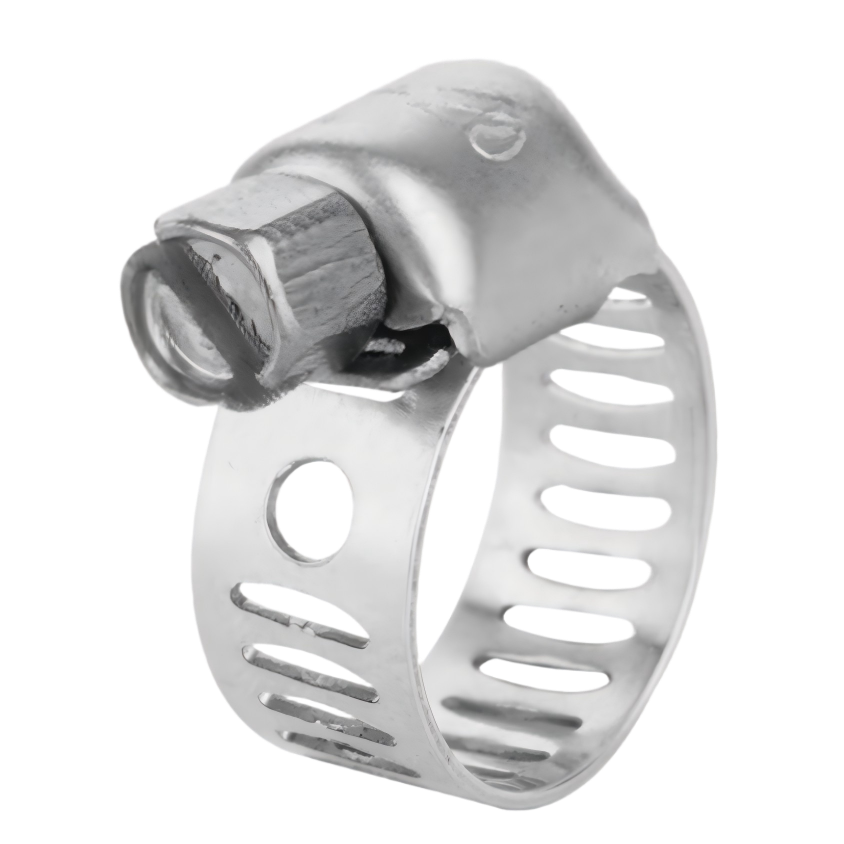
Metal hose clamps come in various names, such as worm gear clamps, T-bolt clamps, spring clamps, and louver clamps. Other types of clamps, such as constant torque clamps and lined clamps, can also be found in automotive and factory applications. HWKG worm gear driven clamps are a good example, providing a secure hold for hoses and pipes in a variety of situations.
Key Takeaways
- Metal hose clamps come in many types, including worm gear clamps, T-bolt clamps, spring clamps, and louver clamps. Each type has its specific application.
- Choosing the right clamp material is crucial. Stainless steel won’t rust and works well in harsh environments. Carbon steel offers high strength and is more affordable.
- Measuring the hose’s outer diameter is essential for ensuring a proper clamp installation. This prevents leaks and ensures safety.
- After installing the clamp, always check and tighten it. This helps maintain a tight seal. This is especially important for hoses that will generate heat or vibration.
- HWKG and other brands offer a variety of sizes and customization options. This makes it easy to find the perfect clamp for your job.
Types of Metal Hose Clamps
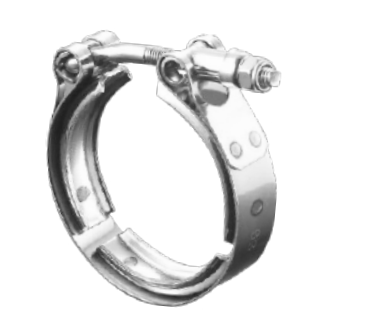
Metal hose clamps come in various shapes, each with its specific purpose. Understanding these types will help you choose the right clamp.
Worm Gear Clamps
Worm gear clamps use a screw to tighten a metal band. The metal band has grooves that match the screw, so this type of clamp is suitable for hoses of various sizes. Plumbers use worm gear clamps to secure rubber joints and pipes, and also for securing plastic pipes and barbed fittings. In automobiles, these clamps are used to secure hoses.
The HWKG worm gear driven clamp is a top-of-the-line worm gear clamp. HWKG manufactures clamps using robust materials such as stainless steel and carbon steel. This clamp features a robust metal hose band with threads. It is tightened using a securing screw. The clamp distributes pressure around the hose, thus protecting the hose and maintaining a tight seal. HWKG offers a variety of sizes and customization options. Their clamps are suitable for automobiles, factories, ships, and homes.
Key Features of Worm Gear Clamps:
- Simple design, easy to use
- Suitable for various hose sizes
- Provides a tight seal for pipes and automobiles
- Easy to remove simply by loosening the screw
T-Bolt Clamps
T-bolt clamps provide strong clamping force in high-pressure operations. The clamp uses a T-bolt and a robust band, enabling it to withstand high torque and remain tight. It works effectively even under severe vibration.
T-bolt clamps are widely used in automobiles, marine equipment, and machinery, such as turbocharger systems, coolant lines, and hydraulic hoses. The robust band evenly distributes pressure, which is crucial for maintaining a tight seal at the connection.
Advantages of T-Bolt Clamps:
- Very strong grip
- Lasts a long time
- Protects hoses well
- Spreads pressure evenly
Common Applications:
- Machines,
- car turbo systems,
- boats,
- high-pressure coolant lines
Spring Clamps
Spring clips use the tension of a spring to maintain pressure on a hose. The tightness of the clip changes with temperature and hose size, making it ideal for handling varying environments. Spring clips are easy to install and remove, and work well in confined spaces where screw clips are inaccessible.
Spring clips are frequently used in automotive and piping systems to secure hoses requiring stable pressure. These clips are reusable and can be used with different hoses as long as they are not damaged.
Benefits of Spring Clamps:
- Maintains stable pressure, ensuring a good seal
- Quick installation and removal
- Suitable for low-pressure operations
- Reusable
Common Applications:
- Automotive cooling systems
- Pipelining systems
- Operations requiring stable pressure
Ear Clamps
Ear clips have one or two “ears” that tighten by compression. The inner ring forms a smooth surface that prevents leaks and fills gaps. The compressed ear acts like a spring, keeping the clip secure and adjusting to changes in the hose.
Ear clips are best suited for small hoses and confined spaces. They form a strong seal that is not easily broken. Ear-shaped clamps are widely used in automotive fuel lines, cooling systems, and piping systems. Specialized pliers are required for installation.
Structural Elements of Ear Clamps:
- Inside ring for smooth, leak-proof seal
- Stays tight even with vibration
- Cannot be tampered with
Common Applications:
- Car fuel lines
- cooling systems
- plumbing
- tight spots
Other Types
Some metal hose clamps are less common. Custom hose clamps are designed for special applications such as aircraft, factories, and high-performance vehicles. These clamps offer excellent pressure control and are made of special materials. Clip-on clamps are suitable for light-duty work and quick repairs.
Other Hose Clamp Types:
- Custom hose clamps for special industry jobs
- Snap grip clamps for light and quick fixes
| Hose Clamp Type | Common Applications |
|---|---|
| Custom Hose Clamps | Planes, factories, fast cars |
| Snap Grip Hose Clamps | Light jobs, quick fixes, places that do not rust |
Materials Used in Metal Hose Clamps
Metal hose clamps are made of stainless steel and carbon steel. Stainless steel clamps are rust-resistant, durable, and aesthetically pleasing. Carbon steel clamps are robust, durable, and less expensive.
| Material | Benefits |
|---|---|
| Stainless Steel | Resists rust, lasts long, looks good |
| Carbon Steel | Strong and cheap, good for many jobs |
Stainless steel, especially 316L, has more molybdenum, chromium, and nickel. This mix helps fight rust and pitting. It works well in tough places.
Identifying Metal Hose Clamps
Visual Features
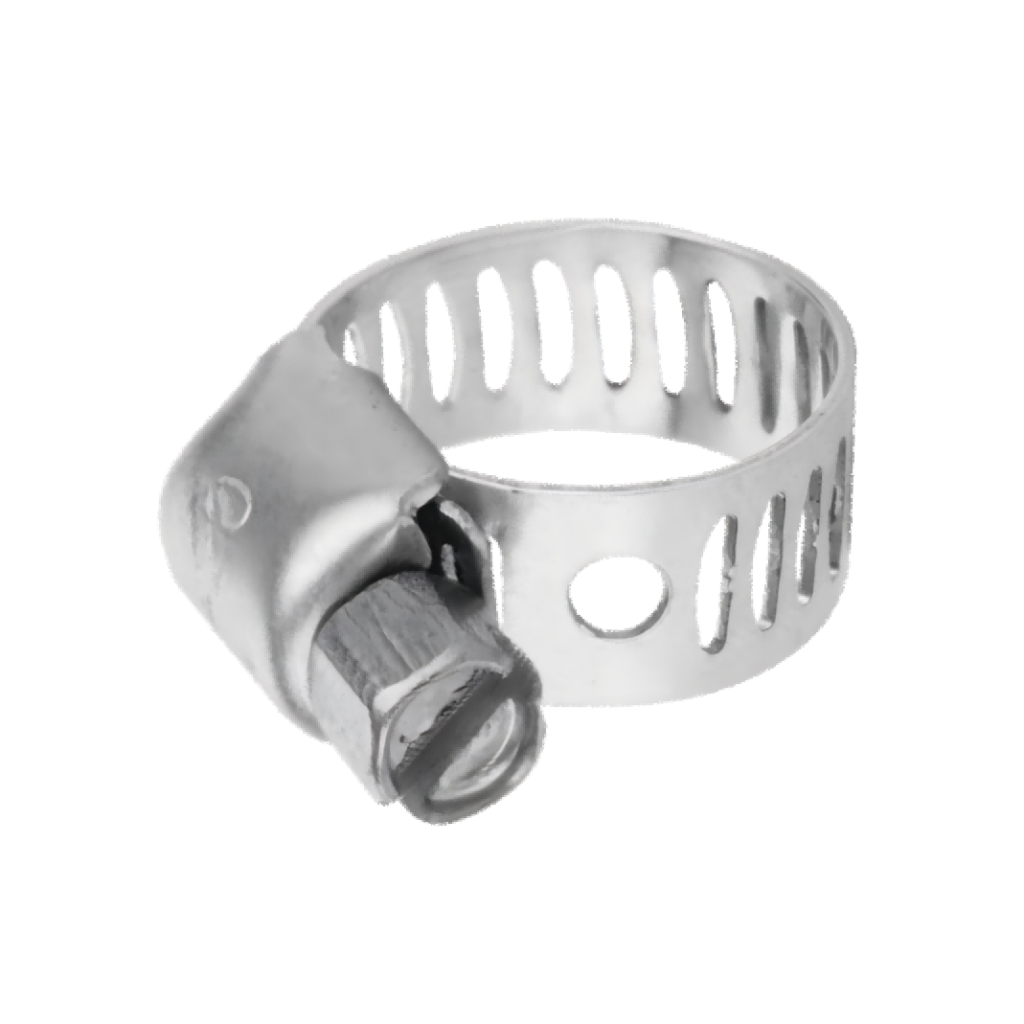
Metal hose clamps have a shiny, metallic appearance. Most clamps have smooth or ribbed bands that wrap around the hose. Worm gear clamps have a screw mechanism on the band. T-bolt clamps are tightened using bolts and nuts. Spring clamps consist of bent metal arms that secure the hose by compressing the arms. Ear clamps have one or two protruding “ears” that secure the clamp by compressing the ears.
Tip: Metal clamps are usually reflective and difficult to bend by hand. Plastic clamps are easy to bend and may even crack.
Materials and Markings
Most hose clamps are made of stainless steel or carbon steel. Stainless steel is rust-resistant and retains its shine. Carbon steel is strong and less expensive. Many clamps have markings on the band. These markings indicate the size, material, and sometimes the brand. HWKG will mark its clamps for easy identification. Metal hose clamps may also have certification marks or torque values. Plastic clamps rarely have these markings.
Common Markings Found on Hose Clamps:
- Size range (inches or millimeters)
- Material (e.g., SS represents stainless steel)\
- Brand name or logo
- Tightening torque value
Sizing and Fit
Choosing the right hose clamp depends on the hose’s outside diameter (OD). The hose’s outside diameter should be measured before ordering clamps. Metal hose clamps come in a wide range of sizes, from 5-8/64 inches to 5-44/64 inches. The inner surface usually has double ridges to ensure a secure clamping action. Bolt lugs are reinforced to prevent bending. Torque values are based on dry bolts. Lubricating bolts will reduce clamp performance. For spiral wire, experts recommend consulting the supplier for information on double-bolt clamps.
| Attribute | Details |
|---|---|
| Hose OD | 5-8/64 inch to 5-44/64 inch |
| Inner surface | Dual gripping ridges |
| Bolt lugs | Reinforced to prevent bending |
| Measurement requirement | Measure hose OD accurately before ordering |
| Torque values | Based on dry bolts |
| Lubrication effect | Lubricant on bolts can reduce performance |
Note: Proper hose clamps provide a tight seal to prevent leaks. Always check dimensions and markings before installation.
Metal Hose Clamps vs. Other Materials
Advantages of Metal
Metal hose clamps offer many advantages over plastic or composite clamps. They are very strong and can withstand heavy loads. These clamps are non-flammable and can be used in high or low temperature environments. Many people choose metal clamps when a strong and durable clamping is required.
| Advantages | Disadvantages |
|---|---|
| High strength and load-bearing capacity | Can rust and corrode if not treated |
| Fire resistant | Heavier than plastic alternatives |
| Great for extreme temperature conditions | Higher cost compared to plastic options |
Plastic hose clamps are lighter and cheaper, but prone to breakage and have a shorter lifespan. Metal clamps, such as stainless steel hose clamps, are rust-resistant and remain secure under pressure. They are suitable for high-temperature or vibration environments.
Note: Metal clamps prevent leaks and protect hoses from damage. They remain tight even with changing weather conditions.
When to Use Metal Clamps
Metal hose clamps are an ideal choice for balancing strength and service life. They are widely used in automotive, factory, and marine applications. Stainless steel hose clamps are rust-resistant and perform well even in humid or saline environments. Marine hose clamps made of 316 stainless steel require minimal maintenance and can last for many years. These clamps are ideal for coastal areas, marine environments, and chemical operations.
| Material Grade | Corrosion Resistance | Suitable Environments | Lifespan in Marine Settings |
|---|---|---|---|
| 304 Stainless Steel | Moderate | Dry, low-chloride | Shorter lifespan, prone to rust |
| 316 Stainless Steel | High | Coastal, marine, chemical | Decades with minimal maintenance |
Metal clamps are also suitable for high-pressure environments. They ensure the safety of hoses in engines, pumps, and pipelines. Metal clamps are chosen for their robust seals and long service life. While plastic clamps are suitable for light-duty operations, metal hose clamps provide optimal safety in harsh environments.
Choosing Metal Hose Clamps
Application Needs
Choosing the right hose clamp depends on the specific application. Each application has its unique requirements. For example, in the automotive industry, robust clamps like T-bolt clamps can withstand high pressure and high temperatures. In factories, workers typically use clamps that can withstand vibration and heavy loads. Marine operations require clamps that can resist seawater corrosion. At home, people often use simple worm gear clamps for pipe installation and maintenance.
| Factors | Best Hose Clamp Type |
|---|---|
| High pressure | T-bolt clamps |
| Temperature changes | Spring clamps |
| Leak prevention | Ear clamps |
| Soft or flexible hoses | Smooth-edged clamps |
| Corrosive environments | Stainless-steel hose clamps |
HWKG offers a wide range of hose clamp sizes and custom options. This helps users select the appropriate clamp based on the hose and application requirements.
Durability and Environment
Durability is crucial for every hose clamp. The environment affects the clamp’s lifespan. Moisture, salt, and chemicals can all cause corrosion. For marine or chemical environments, 316 stainless steel offers the best protection. In most homes or automobiles, 304 stainless steel performs well and is less expensive. Galvanic corrosion can occur when dissimilar metals come into contact in humid environments. Pressure and highly corrosive chemicals can also degrade the performance of the clamps over time.
Tip: Always choose a hose clamp made from the right material for the environment. This keeps the connection safe and strong.
Sizing Tips
Choosing the right size hose clamp is crucial for safety. Measure the hose’s outer diameter before purchasing. The clamp should fit snugly but not flatten the hose. The clamp should be at least 1/4 inch (approximately 0.6 cm) from the end of the hose. Tighten the clamp slowly and evenly. For hoses with protrusions, use wide-band clamps to distribute the stress. Always check the clamps after installation to ensure they remain tight.
- Choose clamps that match the hose material.
- Measure carefully to ensure the correct size.
- Apply the clamp to the hose before connecting it to the fitting.
- Place the clamp where the hose completely covers the fitting.
- For silicone hoses, check and retighten after use.
HWKG offers a variety of clamp sizes and can customize to specific needs. This makes it easy to find the right hose clamp for any job.
Types of metal hose clamps include worm gear clamps, T-bolt clamps, spring clamps, and lug clamps. Choosing the right clamp helps prevent leaks and malfunctions. The following points should be noted:
- Choose clamp materials that will not rust in your operating environment.
- Measure the hose dimensions to ensure the clamp size is correct.
- Choose clamps that are robust, durable, and easy to maintain.
Brands like HWKG use high-quality materials and maintain strict quality control. High-quality hose clamps ensure system safety and long-term stable operation.
FAQ
What are the main types of metal hose clamps?
There are a few main types of metal hose clamps. These include worm gear clamps, T-bolt clamps, spring clamps, and ear clamps. Each type is used for a special job. People use them in plumbing, cars, boats, and factories.
How does someone choose the right hose clamp size?
First, measure the outside of the hose. Pick a clamp that fits tightly but does not crush the hose. HWKG has many sizes and can make custom clamps for different needs.
Tip: Always look at the clamp’s markings to check the size and material before you put it on.
Why do people prefer stainless steel hose clamps?
Stainless steel hose clamps do not rust or corrode easily. They last a long time in tough places like on boats or with chemicals. Many people pick stainless steel clamps because they are strong and reliable.
| Material | Benefit |
|---|---|
| Stainless Steel | Rust resistance |
| Carbon Steel | High strength |
Can metal hose clamps be reused?
Most metal hose clamps, like worm gear and spring clamps, can be used again if they are not damaged. Always check the clamps for damage or rust before using them again.