



Hose clamps are used to secure hoses to joints, preventing leaks in cars, kitchens, and gardens. C-clamps hold parts together at right angles, which is essential for welding and woodworking. Both types of clamps help ensure projects proceed safely and smoothly. Workers and hobbyists alike use clamps to hold objects or control liquids. Each type of clamp has its specific function and is suitable for different purposes. They are more popular than F-clamps, pipe clamps, and locking pliers. Choosing the right clamp can achieve a secure and stable result.
Key Takeaways
- C-clamps are very important for securing objects. They are used in woodworking and metalworking. They firmly clamp parts.
- Hose clamps prevent hose leaks and ensure a tight hose connection. You’ll see them in cars, plumbing, and gardens.
- Choose the right clamp for your project. Consider the size of the clamp and the object you are working with. Check the clamp’s load-bearing capacity and whether it is suitable for your work.
- Manual clamps are suitable for light-duty work. They allow for quick and easy securing of objects. Use them when you need to adjust the position quickly and don’t require strong clamping.
- Using the right clamps ensures your safety and makes your work look neater. Be sure to measure and select the clamps that are suitable for your project.
Two types of clamps explained
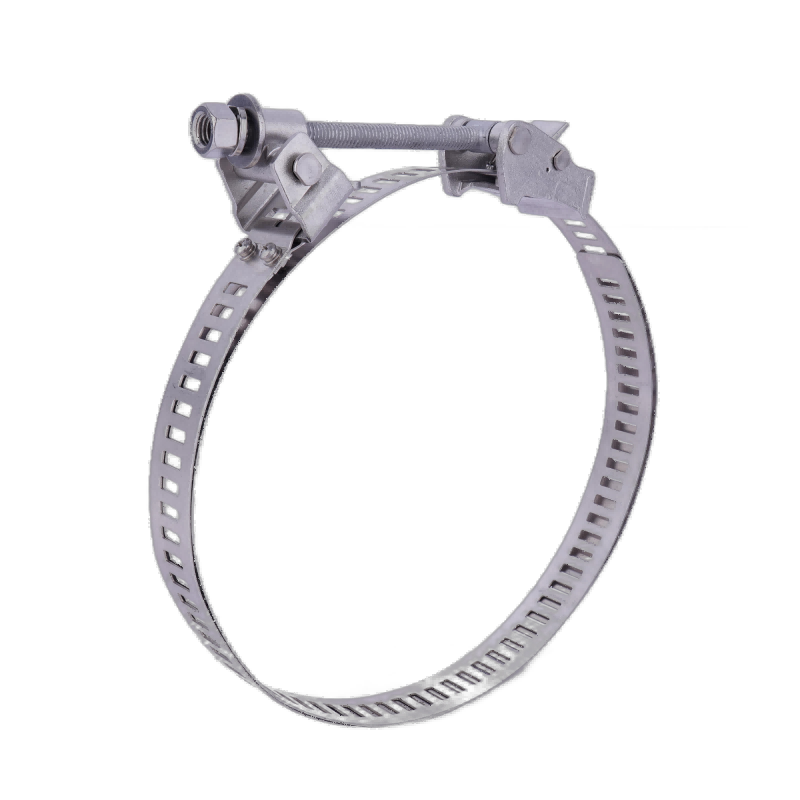
C-clamp overview
C-clamps are very common in workshops and garages. Their frame is C-shaped. The jaws move by rotating a screw. The jaws slide on a threaded rod. A Phillips head at the end helps with further tightening. C-clamps come in various sizes. Some have an opening of less than 1 inch, while others can be up to 10 inches. Deep-throat C-clamps can have openings exceeding 12 inches for specialized operations. Most C-clamps are made of sturdy steel or iron and are usually treated to prevent rust.
| Feature | Description |
|---|---|
| Jaw Opening | Less than 1 inch to 10 inches |
| Throat Depth | Up to 12-1/2 inches for deep models |
| Material | Malleable steel or iron, rust-resistant |
| Handle Type | Sliding T-handle or cross pin |
| Extra Features | Swivel pad, smooth threads |
C-clamps are used to glue wood together. They are also used to hold metal together when cutting, drilling, sanding, or welding. C-clamps hold wood by applying pressure to a small point, making them ideal for hard materials. Because they can leave marks on soft materials, they are not suitable for soft materials. C-clamps are very effective in jobs requiring the securing of heavy objects. C-clamps come in sizes from 2 inches to 8 inches and are suitable for large jobs such as scaffolding. Larger sizes are used for special purposes. Load capacity refers to the maximum weight a C-clamp can safely withstand.
Hose Clamps Overview
Hose clamps are another important type of clamp. These clamps use round straps and screws to secure hoses. Their main function is to secure the hose to the joint and prevent leaks. Hose clamps press evenly around the hose, keeping it secure in cars, kitchens, and gardens.
There are many types of hose clamps, such as:
- Threaded/band (worm gear) clamps
- Ear clamps
- Strip clamps
- Bolt clamps
- Spiral clamps
- T-bolt clamps
Hose clamps are made of materials including stainless steel, galvanized steel, and high-strength plastics such as nylon and polypropylene. Stainless steel hose clamps are rust-resistant and work effectively in humid or high-temperature environments. Proper installation of hose clamps is crucial to ensure a tight seal and prevent leaks.
Hose clamps have a wide range of applications:
- In the automotive industry, they are used to secure radiator hoses, fuel lines, and air systems.
- In piping systems, they are used to secure water pipes and drain pipes.
- In HVAC systems, they are used to secure heating and ventilation ducts.
Tip: Always make sure the hose and fitting are clean before you tighten a hose clamp. This helps make a strong seal that does not leak.
Pliers Basics
Pliers are a common type of clamping tool. To use them, simply squeeze the handles to close the jaws and firmly grip the object. Pliers are simple to use and quick to adjust. They are commonly used in construction, welding, machining, and parts inspection. Pliers do not use screws; instead, they utilize hand pressure and springs or levers to grip objects.
| Clamp Type | Mechanism Description | Use Cases |
|---|---|---|
| Hand Clamps | Hand-operated, squeeze handles to close jaws | Assembly, welding, machining, inspection |
| C-Clamps | Screw mechanism, adjustable pressure | Woodworking, metalworking, tight spaces |
| Hose Clamps | Circular band with screw, even pressure around hoses | Plumbing, automotive, HVAC |
Manual clamps are suitable for quick operations and securing small or soft items. They are not as strong as C-clamps or hose clamps, but are quick and easy to use. Manual clamps are used when quick movement or parts replacement is required.
The clamps mentioned here—C-clamps, hose clamps, and manual clamps—each have their specific uses. These clamps can help people accomplish many tasks at home, in workshops, and factories.
Uses for different kinds of clamps
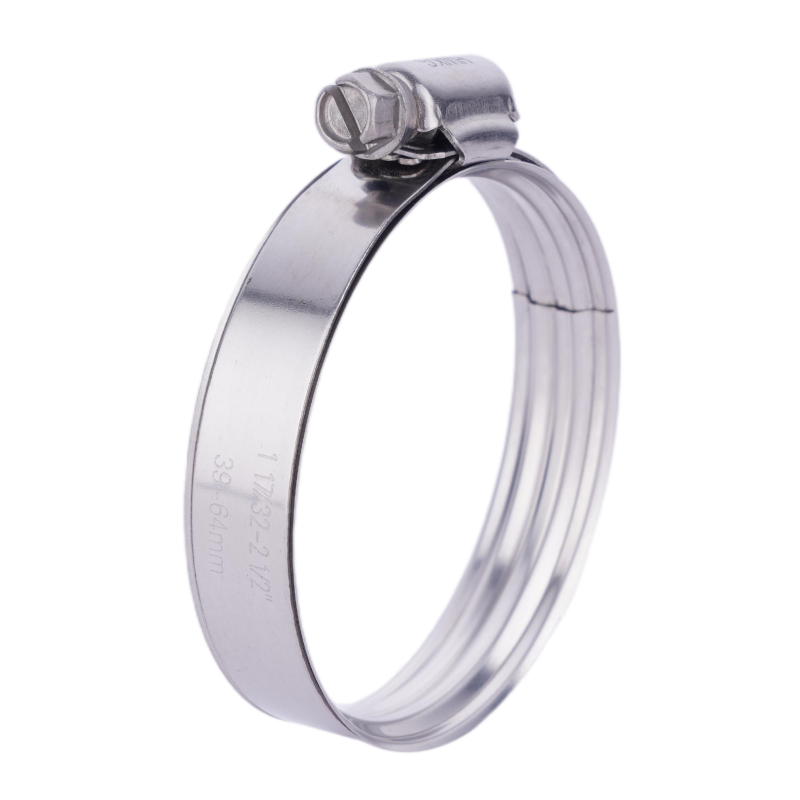
Automotive and Industrial Applications
Many clamps are essential in automobiles and factories. Mechanics use hose clamps to secure hoses and fittings within engines. These clamps prevent leaks and ensure safe fluid flow. Hengwei hose clamps are suitable for securing coolant hoses, fuel lines, and intake systems. They function effectively even under high temperatures or vibration. Workers in factories use lifting clamps and material handling clamps to move heavy objects. Pipe clamps are used to secure pipes during installation or repair. Cable clamps keep wires neat and tidy, preventing them from becoming tangled in cars and machinery.Hose clamps stop hoses from leaking in cars and trucks.
- Hose clamps prevent hose leaks in cars and trucks.
- Lifting clamps and material handling clamps are used to move steel plates and machine parts.
- Pipe clamps are used to secure pipes and factory piping.
- Cable clamps keep wires neat and tidy, ensuring safety.
Mechanics and engineers select the appropriate clamps based on the size, weight, and type of items to be secured.
Kitchen, Bathroom, and Garden Uses
Pipe clamps help improve safety and ease of use in kitchens, bathrooms, and gardens. For example, Hengwei brand stainless steel hose clamps do not rust and work well in humid environments. These clamps are used to secure water pipes, drain hoses, and garden pipes. The table below shows how the material of the clamp affects its applicability:
| Material Type | Properties | Suitability for Applications |
|---|---|---|
| Stainless Steel | Strong, lasts long, does not rust | Best for wet places and where there are chemicals |
| Heat-Treated Spring Steel | Strong but can rust | Good for some jobs but not as good as stainless steel |
| Lesser Materials | Rusts and breaks easily | Not good for wet or chemical places |
Gardeners use clamps to connect hoses to sprinklers and outdoor faucets. In kitchens and bathrooms, cable clamps are used to secure wires and pipes. Lifting clamps help move heavy kitchen appliances when installing them.
Choosing the right clamp material helps extend its lifespan in humid or chemical environments.
DIY and Woodworking Projects
Those who enjoy crafting and woodworking use many clamps in their work. C-clamps and hand clamps are used to hold wood in place as glue dries. These clamps keep workpieces stable when cutting, drilling, or sanding. Lifting clamps help move large planks of wood or furniture pieces. Pipe clamps are suitable for gluing edges and assembling panels. Cable clamps are used to organize wires and tool lines in the workshop.
- Securing workpieces on a workbench allows for safe cutting or sanding.
- Keeping glued parts tight for a secure bond.
- Securing workpieces while using clamps or power tools.
Clamps come in various sizes suitable for small crafts or large furniture. People choose clamps based on the job, materials, and speed or strength requirements.
Tip: Always measure the workpiece dimensions and select the appropriate clamp to provide effective protection.
Clamp Type Comparison
Key Differences
Clamps come in a variety of shapes and sizes. Each type is best suited for a specific job. C-clamps, hose clamps, and hand clamps are all different. The table below lists their differences:
| Clamp Type | Functionality | Structural Characteristics |
|---|---|---|
| C-Clamp | Good for assembly and gluing tasks | Has a C-shaped frame with a screw to tighten. |
| Hose Clamp | Seals hoses onto fittings | Is a round band that tightens with a screw or lever. |
| Hand Clamp | Used for quick holds with one hand | Has a spring for easy opening and closing. |
C-clamps are used to secure objects during construction or bonding. Hose clamps are used to secure hoses in pipes or vehicles. Manual clamps are used for quick operations requiring light pressure. Each type of clamp has a different price.
Some clamps, such as trigger clamps, can be operated quickly with one hand. Right-angle clamps hold parts in a perfect right-angle position. Parallel clamps keep surfaces flat. Pneumatic clamps use air to provide strong grip. Hydraulic clamps use hydraulic fluid for heavy-duty work.
Choosing the Right Clamp
Choosing the best clamp depends on the project. One should consider the material and its thickness. C-clamps are suitable for metals. Parallel clamps are better suited for wood. The size of the project is also important. Small jobs may require trigger clamps for speed. Large jobs require hydraulic or pneumatic clamps.
Clamping pressure is also important. Spring clamps are suitable for soft materials. Heavy-duty work requires hydraulic or parallel clamps for greater strength. Load capacity refers to the maximum weight the clamp can withstand. Always check that the clamp can withstand the required weight. Material compatibility can prevent damage. Safety features (such as locks) can protect personnel. Some clamps (such as pneumatic clamps) can be modified for specific jobs.
Other types of clamps include edge clamps, band clamps, and hoop clamps. Edge clamps are used to secure the sides of objects. Band clamps use nylon straps to secure large frames. Hoop clamps wrap around objects to provide even pressure. These clamps offer more options for special projects.
Tip: Always use the appropriate clamp to ensure safety and good results.
C-clamps and hose clamps have different uses. C-clamps are used to secure components during construction or repair. Hose clamps are used to secure hoses to joints and prevent leaks. Choosing the right clamp is crucial for safety and ensuring job quality.
- The size and shape of the project will help you choose the right clamp.
- The clamping force and material are also important.
- Using the right clamps will make your work more secure and neater.
Reputable brands like Hengwei Hose Clamps help people achieve safe and durable connections in cars, kitchens, and gardens.
FAQ
What are the main uses of C-clamps?
C-clamps are used to secure two parts together during construction or repair. They are used in woodworking, metalworking, and welding. They provide strong pressure to keep the parts stable.
How do hose clamps work?
Hose clamps are wrapped around hoses and fittings. Tightening the screws tightens the clamp. This creates a seal, preventing leaks in cars, kitchens, and gardens.
Why choose Hengwei hose clamps?
Hengwei hose clamps provide strong, rust-resistant connections. They are suitable for various applications, including cars, kitchens, and gardens. Their design team can customize clamps to meet specific needs.
How to choose the right clamp for your project?
Measure the part dimensions. Check the material and the required pressure. Choose a clamp that is the right size, holds firmly, and won’t damage the parts.