


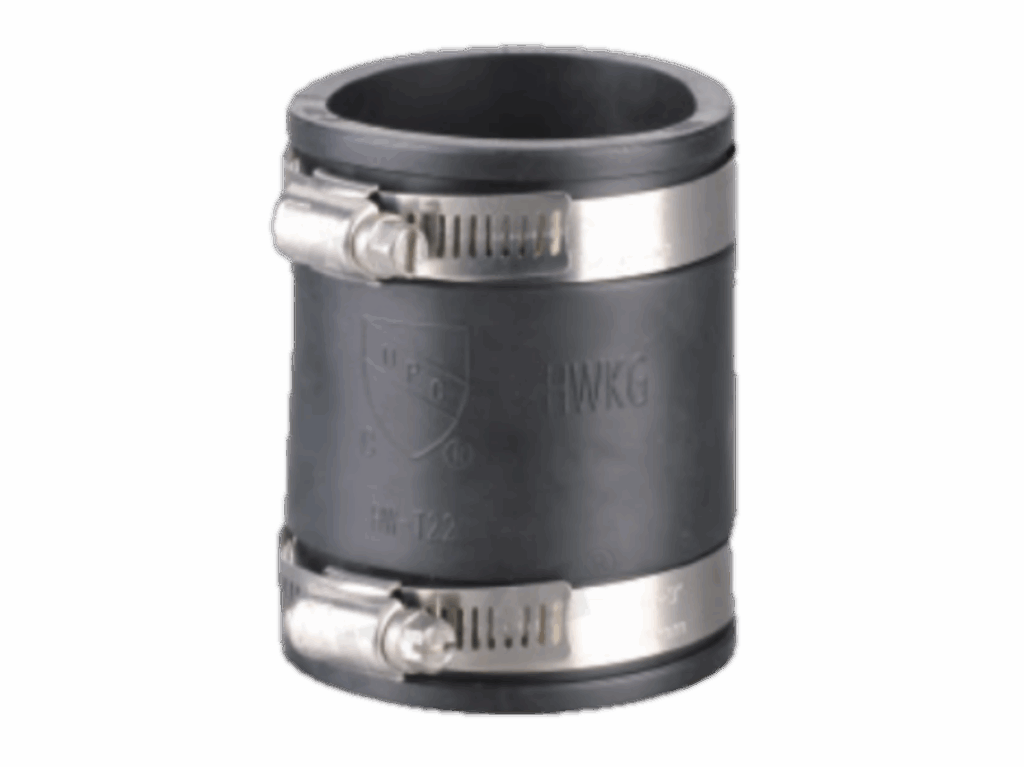
A flexible coupling joins two pipes and makes a tight seal. It lets pipes move a little without breaking or leaking. Many plumbers use flexible coupling to make pipes longer, change pipe size, or fix leaks. In 2024, more than 62% of plumbing systems use flexible coupling for pipe connections. HWKG makes strong couplings that meet CUPC and ASTM C1173 rules. These couplings give good solutions for every project.
Key Takeaways
- Flexible couplings join different pipe materials easily. This saves time and stops leaks.
- They let pipes move a little, which helps stop breaks. They also keep the seal tight.
- You can install them fast and do not need special tools. This makes them a cheap choice for plumbers.
- If you check them often and install them right, they can last 15 to 20 years.
- HWKG’s flexible couplings follow safety rules. This makes them safe and dependable in plumbing systems.
Flexible Coupling Applications
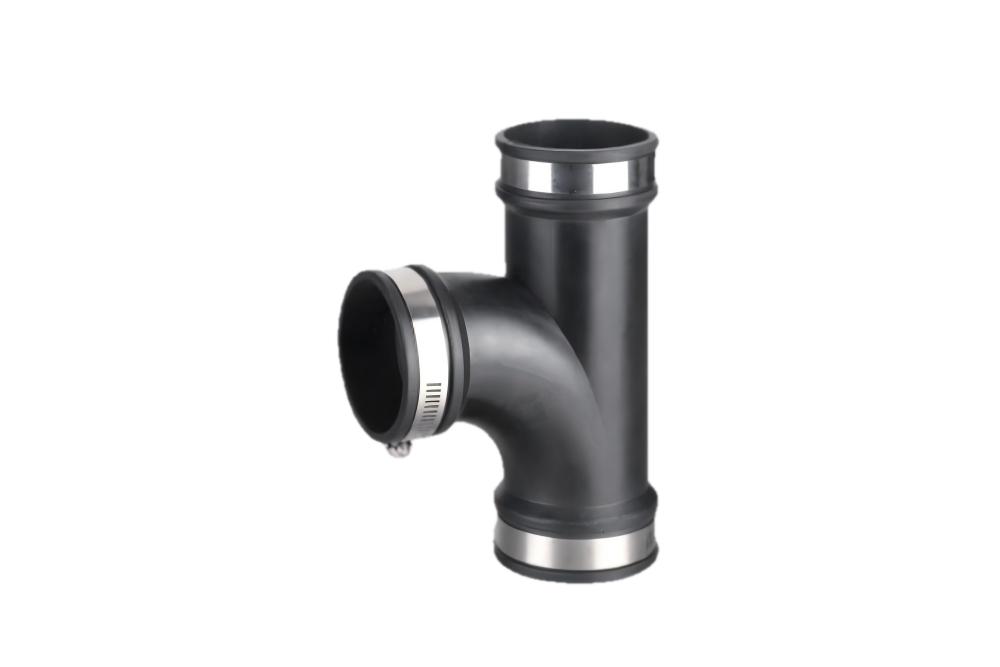
Flexible couplings are important in plumbing systems. They help connect pipes and fix leaks. They also solve problems when pipes do not line up.
Connecting Different Pipe Materials
Flexible couplings and adapters enable plumbers to connect pipes of different materials. For example, a plumber can connect copper, PVC, PEX, or CPVC pipes to the same system. Flexible couplings make the connection easy and convenient. Plumbers do not need special tools or complicated fittings. These couplings form a tight seal to prevent leaks. They work properly even if the pipe size or material is different.
Tip: Flexible couplings and adapters help plumbers join pipes fast in emergencies. This saves time and stops water damage.
HWKG flexible couplings and adapters are good for connecting pipes in drain, waste, and vent systems. Their products pass tough tests and have certifications like ISO9001 and CUPC. This shows they care about safety and performance.
Repairing Leaks
Flexible couplings and adapters help plumbers quickly and easily repair leaks. If a pipe bursts or a joint fails, the plumber simply cuts off the damaged section and replaces it with a flexible coupling. This requires no special tools or skills. These couplings can compensate for minor misalignments at pipe connections and create a strong, watertight seal.
Common ways to use flexible couplings for leak repair include:
- Emergency fixes for water or sewer lines
- Temporary or permanent repairs in drainage systems
- Quick repairs in homes and businesses
The steps to use flexible couplings and adapters for leak repair are simple:
- Clean the pipe ends.
- Slide the gasket and coupling into place.
- Tighten the bolts evenly.
- Check for leaks after installation.
Note: HWKG high-temperature flexible couplings and adapters are made to last. They handle changes in pressure and temperature. This makes them good for long-lasting repairs.
Handling Misalignment
Pipelines may shift due to foundation movement, building settlement, or temperature changes. Flexible couplings and adapters allow for a degree of pipe movement, thus addressing these issues. They absorb vibration and shock, protecting equipment and maintaining a tight seal even when the pipeline shifts.
The table below illustrates how flexible couplings handle pipe misalignment:
| Functionality | Description |
|---|---|
| Angular Deflection | Lets pipes bend a little without breaking the seal |
| Linear Movement | Lets pipes slide back and forth along their length |
| Vibration Isolation | Reduces shocks and protects connected equipment |
Flexible couplings and adapters can handle pipe bends of one to three degrees. This is important where pipes must deal with stress, like during earthquakes or when buildings settle. HWKG uses advanced tests and quality checks to make sure their flexible couplings work well in these cases.
Flexible Coupling Benefits
Easy Installation
Flexible couplings help plumbers finish jobs faster and easier. You do not need special tools or welding to use them. Just slide the coupling onto the pipe ends and tighten the clamps. This saves time and cuts down on work costs. Studies show flexible couplings are much quicker to install than welding or flanging. They can be up to ten times faster.
| Method | Installation Speed |
|---|---|
| Victaulic grooved couplings | Up to 10 times faster |
| Traditional welding | 5 times faster |
| Traditional flanging | 3 times faster |
Reliable sealing performance
The core value of flexible couplings lies in their unique sealing design. Unlike traditional connection methods (such as adhesive bonding and threaded connections), flexible couplings achieve a long-lasting seal even under imperfect conditions through a combination of rubber gaskets and stainless steel clamps.
According to industry test data, properly installed flexible couplings can have a sealing life of more than 15 years under normal use conditions, which is much longer than the 5-8 year life of traditional rubber ring seals.
Structural Support
Flexible couplings give strong support to pipes. They take in stress from heat, shaking, and ground movement. This helps keep pipes in good shape and makes them last longer. Engineers pick flexible couplings because they need less fixing and save money.
- Flexible couplings work with pipes that are not lined up and take in shaking.
- They take in stress, which keeps the system safe.
- Good setup and strong materials help them last a long time.
Flexible Coupling Installation
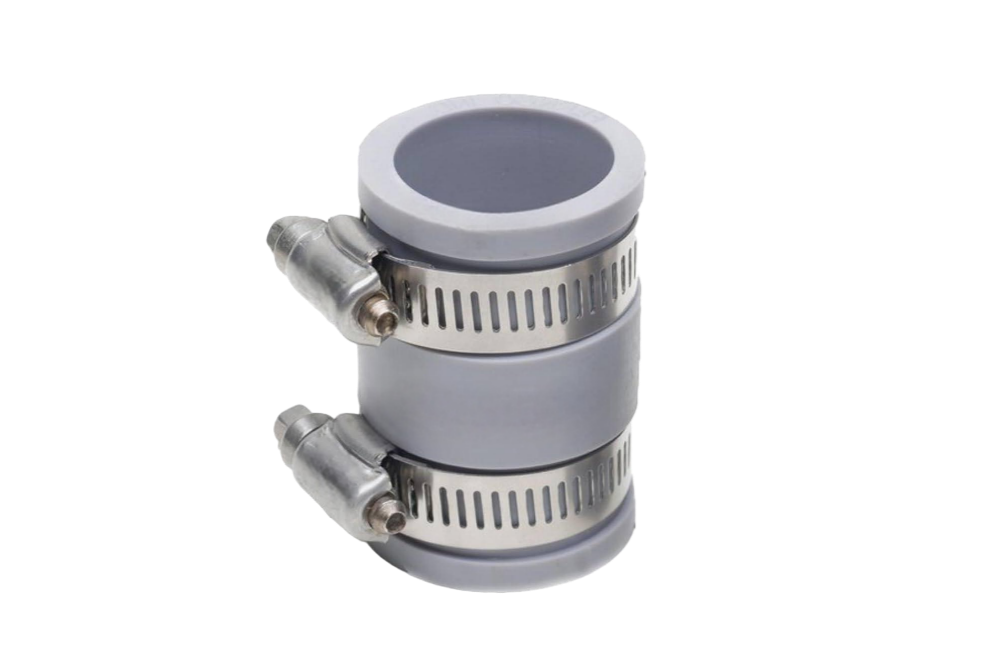
Tools Needed
Installing a flexible coupling requires a few basic tools. Prepare the following before starting:
- Tape measure – to verify pipe dimensions and insertion depth
- Pipe cutter or hacksaw – for clean, square cuts
- Marker – to mark insertion depth on the pipe
- Socket wrench or torque wrench – to tighten clamps evenly
- Deburring tool or sandpaper – to smooth cut edges
- Laser alignment tool (optional) – for precise pipe alignment in critical applications
Using the right tools helps prevent leaks and ensures a reliable installation.
Step-by-Step Process
A good install starts with careful planning. Installers should do these steps:
- Measure and cut pipes to the right length.
- Clean pipe ends to get rid of dirt.
- Put the hubs on the pipe ends without using a hammer. If needed, use gentle heat to help fit the hubs.
- Line up the pipes both across and along. Use a laser alignment tool for best results.
- Put in the flexible part and tighten the fasteners. Tighten the clamps evenly.
- Check the alignment again to make sure it fits well.
- Turn the pipes by hand to see if they move smoothly.
- Look at the joint for leaks after you finish.
HWKG’s support team can answer questions and help installers with each step. Their standard production and strict checks help every installer get a good result.
Safety Tips
Installers must always follow safety rules during installation. They need to check that the coupling size fits the pipes and that the materials work together. If you tighten too much, it can hurt the gasket or pipe, so only tighten clamps as much as needed. Good alignment stops stress on the coupling. Installers should support pipes well to avoid strain. Never use old couplings again, as this can cause problems. Regular checks help find wear and leaks early.
HWKG uses digital tools and strong tests to make sure every coupling is safe and tough. Their skilled team and machines help stop mistakes and keep quality high.
Tip: Always follow the maker’s instructions for each coupling type. This helps make sure your plumbing system is safe and lasts a long time.
FAQ
What is a flexible coupling in plumbing?
A flexible coupling joins two pipes together. It makes a tight seal so water does not leak. It lets pipes move a little without breaking. Plumbers use it to fix leaks and connect pipes that are not the same. It also helps when pipes do not line up right.
Can flexible couplings join pipes of different materials?
Yes, flexible couplings can join pipes made from many materials. They work with PVC, copper, steel, or cast iron pipes. They fit in lots of plumbing systems. They make fixing pipes much easier.
How long does a flexible coupling last?
Flexible couplings can last from 15 to 20 years. They are made from strong materials that handle pressure and shaking. They also work well with hot and cold changes. Checking them often helps them last longer.
Are HWKG flexible couplings safe for plumbing?
HWKG flexible couplings follow CUPC and ASTM C1173 rules. These rules show the products are safe and work well for plumbing jobs.
What tools do plumbers need to install a flexible coupling?
Plumbers need a tape measure, pipe cutter, screwdriver, and marker. A laser alignment tool helps make the pipes straight. Clean the pipe ends before putting on the coupling.