


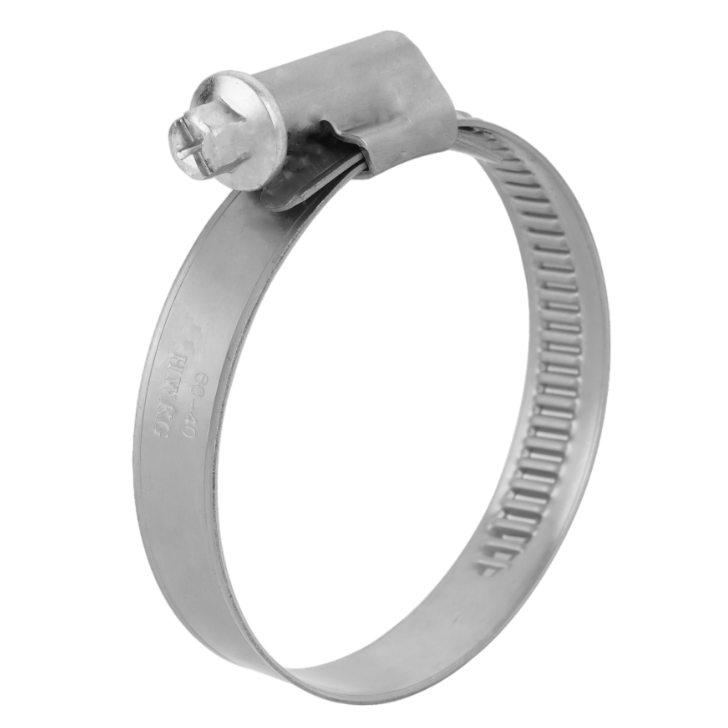
A worm clamp is a type of hose clamp. But not all hose clamps use the worm clamp design. Knowing the difference helps people pick the right clamp for their work. Picking the right clamp can keep things safe. It can also help things work better and last longer. The table below shows how worm gear clamps and spring hose clamps are different in important ways:
| Feature | Worm Gear Clamps | Spring Hose Clamps |
|---|---|---|
| Adjustment | Yes, you use a screw to adjust | Yes, but you have less control |
| Tension Maintenance | Can get loose after some time | Keeps pressure the same |
| Material Sharpness | Edges can be sharp and cut rubber | Made of spring steel, not as sharp |
| Longevity | Might not last as long | Usually lasts longer |
Worm gear hose clamps are used all over the world. In 2024, the market is worth about $1.2 billion. By 2034, it could be $1.8 billion. This means the market is growing slowly but steadily.
Key Takeaways
- A worm clamp is a kind of hose clamp. It uses a screw to tighten or loosen. This makes it useful for many jobs.
- Picking the right clamp is very important for safety and how well things work. You should think about the material, size, and how much pressure it can handle.
- Worm clamps last a long time and you can use them again. They are a good choice to hold hoses in cars, plumbing, and factories.
- Checking clamps often and putting them on right stops leaks and damage. This helps everything work well.
- HWKG’s Worm Drive Clamp is made from strong materials. It is easy to put on. You can use it inside or outside.
Hose Clamp Overview
Definition of Hose Clamp
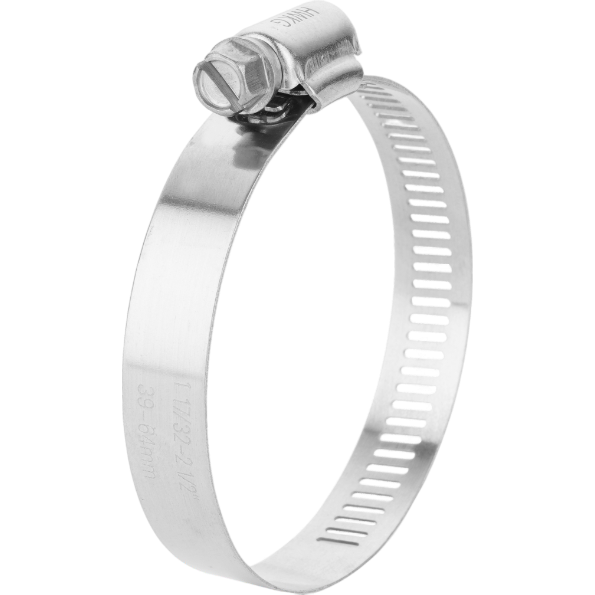
A hose clamp is a tool that holds a hose onto a pipe or tube. It makes a tight seal so liquids or gases do not leak. People use hose clamps in many jobs, like fixing cars, plumbing, and making things in factories. Hose clamps come in many shapes and sizes. They all do the same thing. They keep hoses in place and stop leaks.
Hose clamps are important for safety and how things work. If you put them on right, they help machines run well and stop problems. For example, hose clamps hold coolant and fuel lines in cars. In plumbing, they keep water lines and drain hoses secure. A strong hose clamp can handle high pressure and hot or cold temperatures. This makes them needed for many tasks.
Common Types of Hose Clamps
There are different hose clamps for different jobs. The most used hose clamps in cars and plumbing are:
| Type | Description | Best Applications |
|---|---|---|
| Worm Drive Hose Clamps | Has a screw that tightens the band around the hose. | Plumbing, radiator hoses, air intake systems. |
| T-Bolt Hose Clamps | Has a wide band and a T-shaped bolt for strong grip. | Diesel engines, turbo systems, marine exhausts. |
| Spring Loaded Hose Clamps | Changes size as the hose gets bigger or smaller from heat. | Cooling systems, hydraulics, thermal cycling. |
| Constant Torque Hose Clamps | Tightens more as temperatures change. | Aerospace, HVAC, critical sealing systems. |
- In cars, hose clamps hold coolant, fuel, vacuum, and power steering hoses.
- In plumbing, they keep water lines, drain hoses, and gas connectors in place.
Note: Hose clamps must follow strict safety rules in some industries. For cars, ISO 16750 is used. For stainless steel fittings, ASTM A312 is needed. Some clamps must also meet FDA, RoHS, or REACH rules for food, electronics, or medical jobs.
People pick hose clamps based on the job, the pressure, and where they will be used. This keeps systems safe and working right.
Worm Clamp Explained
Worm Clamp Design
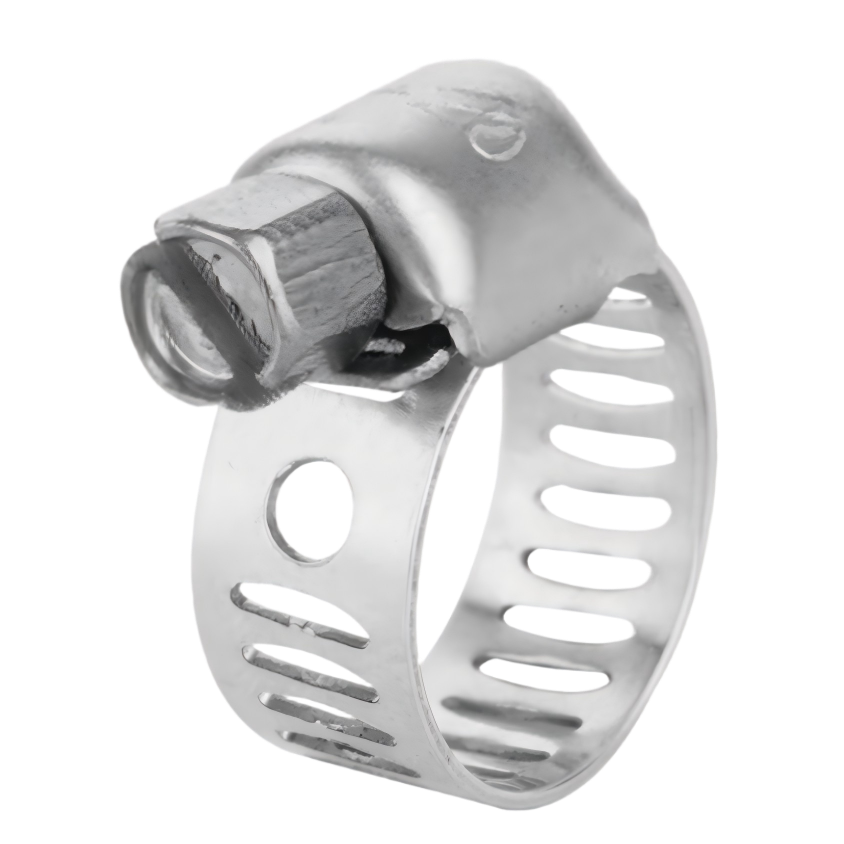
A worm clamp has a simple design that works well. It is made from a metal band shaped like a ring. The band has a screw thread cut into it. There is a screw held in a small case on the band. When you turn the screw, the band gets tighter or looser on the hose. This lets you control how tight the clamp is.
The table below shows how worm gear clamps and spring clamps are different:
| Feature | Worm Gear Clamps | Spring Clamps |
|---|---|---|
| Design | Ring-shaped metal with a captive screw | Single strip of spring steel |
| Adjustability | Adjustable diameter by tightening/loosening screw | Creates constant tension |
| Risk of Damage | Sharp edges can cut into soft rubber hoses | No sharp edges, safer for hoses |
HWKG’s Worm Drive Clamp is special because it is well made. It uses strong materials like stainless steel and carbon steel. Stainless steel does not rust and is good for wet or salty places. Carbon steel is strong and costs less for dry or indoor use. HWKG also has different finishes for the clamp. Some finishes stop rust for over 1000 hours in salt spray tests. The clamp can handle heat up to 800℃ if made with special materials.
Here is a table that shows what materials are used for worm gear clamps and where they work best:
| Material | Corrosion Resistance | Strength | Cost | Best For |
|---|---|---|---|---|
| Stainless Steel (304/316) | Excellent | High | Higher | Outdoor, marine, chemical, and high-moisture environments |
| Mild Steel with Zinc Coating | Moderate (coating can wear) | Good | Lower | Indoor or dry applications with minimal exposure to elements |
| Plastic (Nylon) Worm Clamps | Good (non-metallic) | Low to Moderate | Low | Light-duty, non-critical, or electrical insulation needs |
HWKG’s Worm Drive Clamp has a V-groove shape. This shape makes a tight seal without extra gaskets. The clamp does not get loose from shaking and keeps hoses in place, even when there is a lot of pressure. It is easy to put on. You only need a screwdriver or socket tool.
HWKG follows strict rules from around the world. Their worm gear clamps meet ISO9001 for quality, IATF16949 for cars, ISO14001 for the environment, and ISO45001 for health and safety. These rules show HWKG cares about quality and safety.
Worm Clamp Uses
Worm gear clamps are used in many places. They hold hoses in cars, trucks, boats, factories, and homes. The table below lists where worm gear clamps are used:
| Industry | Application Description |
|---|---|
| HVAC Systems | Securing flexible ducting in heating, ventilation, and air conditioning units. |
| Automotive & Trucking | Connecting radiator, turbocharger, and intercooler hoses subjected to heat and vibration. |
| Marine Industry | Attaching bilge, fuel, and water transfer hoses in corrosive saltwater environments. |
| Petrochemical Plants | Fastening chemical transfer lines and oil conduits requiring leak-proof seals. |
| Agricultural Equipment | Holding hydraulic lines on tractors, harvesters, and irrigation systems. |
| Industrial Manufacturing | Mounting pneumatic tubing, coolant lines, and exhaust ducting on machinery. |
| Outdoor & Off-Road | Used in construction and mining equipment exposed to dust, moisture, and mechanical stress. |
HWKG’s Worm Drive Clamp works for many of these jobs. It is good for car cooling systems, HVAC, farming, and boats. The clamp does not rust easily and makes a strong seal, so it is great for tough places.
Some common ways to use worm gear clamps are:
- Holding coolant, fuel, vacuum, and air intake hoses in cars and trucks.
- Attaching bilge pumps, fuel lines, and cooling systems in boats.
- Fastening flexible ducting and refrigerant lines in HVAC systems.
- Holding hydraulic lines and fuel hoses in farm equipment.
HWKG has many sizes and custom choices. This helps people find the right clamp for their job. HWKG’s team can also make special clamps for unique needs.
Tip: When picking a worm clamp, look at the material and finish. Stainless steel is best for outside or wet places. Carbon steel is good for inside or dry jobs. Always choose a clamp that meets the right safety rule for your work.
Choosing the Right Clamp
Factors to Consider
Picking the right clamp depends on a few things. You need to know what kind of hose you have. The place where you use the clamp matters too. The pressure in the system is important. Worm clamps and spring clamps are good for different jobs.
Getting the right size is very important: Pick a clamp that fits the hose’s outside. Make sure the clamp can squeeze the hose. Think about how thick the hose is. The clamp should be wide enough to spread pressure.
Other things to think about are:
- Material: Stainless steel lasts long and does not rust.
- Band Width: A wide band spreads pressure and stops leaks.
- Torque Capability: The clamp must hold tight and not slip.
- Ease of Installation: Some clamps, like spring clamps, are easier to put on.
HWKG has many choices you can change:
| Customizable Options | Description |
|---|---|
| Types | Many kinds of hose clamps |
| Materials | Stainless steel, carbon steel, and more |
| Sizes | Lots of sizes for different jobs |
Mistakes to Avoid
People sometimes make mistakes with spring clamps or worm clamps. The most common mistakes are:
| Mistake Type | Description |
|---|---|
| Proper Sizing | Clamps must fit the hose exactly. If too small, they crush hoses. If too big, they do not seal. |
| Torque Specifications | Tightening worm clamps too much can break hoses or screws. Use the right tools if you can. |
| Inspection & Maintenance | Check clamps often for rust, loose parts, or bent shapes. This keeps things working and stops leaks. |
A spring clamp is easy to use but can get loose if not checked. Worm clamps need the right tightness to stop leaks or hose damage. Checking clamps often helps keep things safe.
Application Examples
Spring clamps and worm clamps work best in different jobs. For example, a spring clamp is good for car cooling systems. It keeps steady pressure when the hose gets bigger or smaller. A worm clamp is good for plumbing or home repairs. You can make it tighter when you need.
Some examples:
- Mechanics use spring clamps for radiator hoses that get hot and shake.
- Homeowners use worm clamps for washing machine hoses because they are easy to tighten.
- Farmers use spring clamps for irrigation lines that need to come off fast.
- Boat owners use worm clamps made of stainless steel for fuel lines in salty water.
HWKG has both worm clamps and spring clamps in many sizes and materials. This helps people find the right clamp for any job. HWKG’s team can also make special clamps for unique needs.
Tip: Always pick a clamp that fits the hose and the job. This keeps things safe and working well for a long time.
Worm clamps are part of the hose clamp group. They are special because you can adjust them and they are strong. HWKG’s Worm Drive Clamp gives a tight seal. It is easy to put on and made from tough materials. The table below shows the main benefits:
| Benefit | Description |
|---|---|
| Versatile Applications | Works with many hose sizes and jobs. |
| Durable Materials | Does not rust and lasts a long time. |
| Easy Installation | Goes on fast with simple tools. |
| Vibration Resistant | Keeps a tight seal, even when things move. |
| Adjustability | Can be tightened again and again without breaking. |
FAQ
What is the main difference between a worm clamp and a hose clamp?
A worm clamp is a type of hose clamp. It uses a screw mechanism to tighten the band. Other hose clamps may use springs or bolts instead.
Can HWKG’s Worm Drive Clamp be used outdoors?
Yes. HWKG’s Worm Drive Clamp uses stainless steel. This material resists rust and works well in outdoor or wet environments.
How does someone install a worm clamp?
A person places the clamp around the hose. They use a screwdriver or socket tool to turn the screw. This action tightens the band and seals the hose.
Are worm clamps reusable?
Yes. People can loosen and remove worm clamps. They can use them again if the clamp is not damaged.