


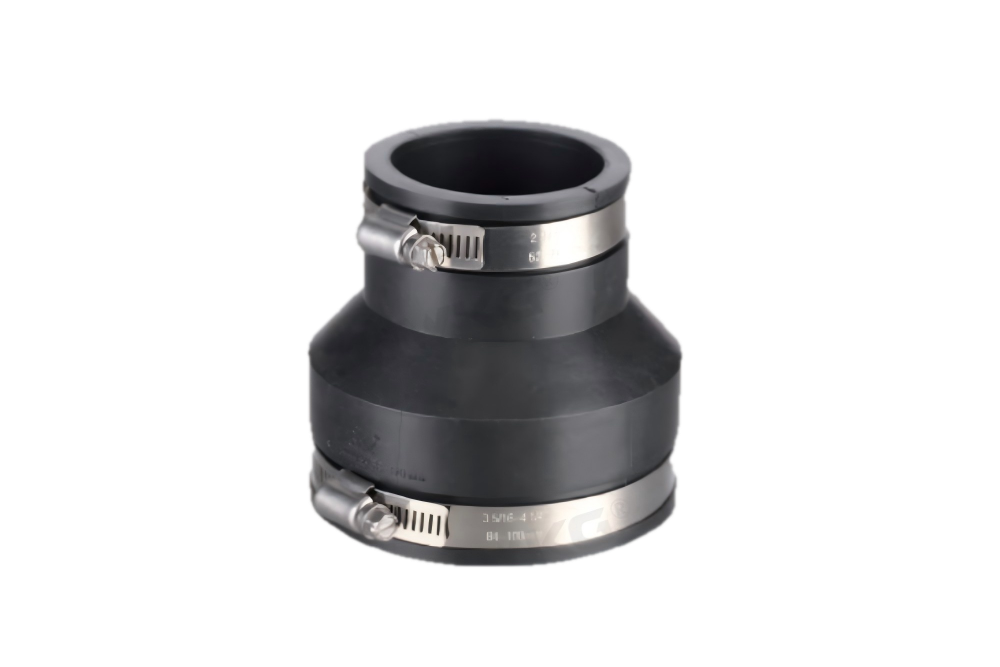
Rubber hose fittings mainly include barbed fittings, quick-connect fittings, threaded fittings, compression fittings, sanitary fittings, and special purpose fittings.Choosing the right coupling helps prevent leaks and ensures a secure and safe connection. Many industries use hose clamps such as Hengwei hose clamps to achieve tight seals. The type of coupling significantly affects the leakage rate of the system.
Key Takeaways
- Choosing the right coupling prevents leaks and ensures a secure connection. Barbed couplings, quick-connect couplings, and compression couplings are suitable for different applications.
- Using Hengwei hose clamps improves safety. They maintain a tight seal, especially under high pressure.
- Regularly check pipe connections for leaks or damage. Inspect for cracks, bulges, or corrosion to ensure safety and proper operation.
- Choose couplings that match the pipe material and size. Ensuring a proper coupling fit is crucial for good performance and safety.
- Install couplings using the correct method. Clean cuts and tight connections prevent leaks and extend the life of the rubber hose.
Common Fittings for Joining Rubber Tubing

Barbed Fittings
Barbed fittings are commonly used to connect rubber hoses and plastic pipes. These fittings have barbs that firmly grip the inner wall of the hose. The barbs make the connection secure and prevent leaks. Barbed fittings are suitable for rubber, plastic, and other flexible pipes. No special tools or glue are required to install these fittings.
Barbed fittings are widely used in piping, irrigation, automotive, marine, and industrial applications. In piping systems, they are used to connect pipes in residential and commercial buildings. In irrigation systems, they are used to connect hoses and drip irrigation lines that deliver water and nutrient solutions. Automotive and marine applications use barbed fittings to connect fuel lines and cooling systems. Factories use them to transport liquids and gases.
Tip: Using Hengwei hose clamps provides added safety. They securely fasten the hose to the barbed fitting, preventing leaks and ensuring a secure connection.
Quick-Connect Fittings
Quick-connect fittings, also known as push-lock fittings, allow for quick and easy pipe connections. Simply push the pipe into the fitting until you hear a click. The O-ring inside the fitting securely holds the pipe in place, creating a tight seal.
| Comparison Aspect | Pneumatic Push-in Fitting | Traditional Threaded/Compression Fitting |
|---|---|---|
| Connection Speed | Extremely fast | Slower, needs tools |
| Installation Tools | None | Wrenches or similar tools |
| Reusability | High | Limited |
| Adaptability | Many shapes available | Fewer shapes |
| System Maintenance | Easy replacement | More complex |
| Sealing Performance | O-ring, excellent seal | Needs sealants, higher leak risk |
Quick-connect couplings are best suited for rubber, polyurethane, PVC, nylon, and plastic pipes. These couplings are commonly used in air systems, water filters, and beverage dispensers. They are time-saving, labor-saving, and tool-free. Hengwei hose clamps enhance connection strength, especially suitable for high-pressure environments.
Threaded and Compression Fittings
Threaded and compression fittings can be used when a strong seal is required. Threaded couplings have threaded grooves that screw into the corresponding threads on the pipe. They typically require the use of sealants such as Teflon tape to prevent leaks. Compression fittings use a nut and a sealing ring to compress the pipe, forming a watertight seal.
| Fitting Type | Sealing Mechanism | Maintenance Needs |
|---|---|---|
| Threaded Fittings | Threads and sealants for a mechanical seal | May need regular checks |
| Compression Fittings | Nut and ring compress tubing for a watertight seal | Less maintenance, flexible design |
Threaded fittings and compression fittings are widely used in piping, laboratories, and factories. They can be used with rubber hoses, plastic pipes, and metal pipes. These fittings are suitable for water and gas pipelines. Hengwei hose clamps help maintain a tight connection and prevent leaks, especially under vibration.
Sanitary and Specialty Fittings
Sanitary and specialty fittings are essential in the food, beverage, and pharmaceutical industries. These fittings are made of stainless steel with a smooth surface. The smooth surface prevents bacterial growth and facilitates cleaning. Sanitary fittings meet stringent hygiene standards, such as the 3-A hygiene standard.
| Benefit | Description |
|---|---|
| Hygienic Properties | Easy to clean, prevents bacteria buildup |
| Corrosion Resistance | Resists rust, keeps substances safe |
| Durability | Strong, lightweight, and long-lasting |
In applications requiring extremely high cleanliness, sanitary fittings are used to connect rubber hoses and plastic pipes. These fittings ensure safe and reliable connections in environments with stringent hygiene requirements. Hengwei hose clamps can be used with sanitary and specialized fittings to ensure a tight pipe connection and prevent leaks.
How to Choose the Right Fitting
Choosing the right fitting for your rubber hose ensures safety and prevents leaks. You need to consider the pipe’s material, size, pressure, and intended use. Here’s a simple guide to help you choose the best fitting.
Pipe Material and Size
First, look at the pipe’s material and size. Pipes can be made of rubber, PVC, or polyurethane. Each material is best matched to a specific fitting. The pipe’s inner diameter affects the flow rate of air or liquid. A larger diameter allows for a higher flow rate, but thicker walls reduce the space required. Quick-connect fittings use the outer diameter to measure the pipe. Hoses are typically measured using the inner diameter.
| Factor | Description |
|---|---|
| Type of Fluid | The tubing material should match the fluid, especially if it is hot or harsh. |
| System Pressure | High pressure can wear out tubing faster. Match the pressure rating to your system. |
| Connection Sizes | Tubing ends must fit the fittings to be safe and work well. |
| Inside Diameter | The size should let enough flow and stop pressure from building up. |
| Material | Pick tubing that lasts in your system’s conditions. |
| STAMPED Method | Size, Temperature, Application, Material, Pressure, End, Delivery. |
Pressure and Application Requirements
Next, consider the pressure the pipes can withstand and their intended use. Some fittings are better suited for high-pressure applications. Compression fittings can withstand pressures up to 3000 PSI. Quick-connect fittings can withstand pressures up to 150 PSI. Barred fittings can withstand pressures up to 100 PSI. Pipes and fittings must be matched to your system requirements.
Some applications require special pipes and fittings. The food and pharmaceutical industries require the use of FDA-approved materials. If the pipes are conveying strong cleaning agents or acids, they must be chemically resistant. Always check the manufacturer’s temperature and pressure ratings.
Environment and Compatibility
Finally, consider the environment in which the pipes and fittings will be used. Sunlight, water, and chemicals can all affect their performance. EPDM and Hypalon pipes have a longer lifespan in sunlight and outdoor environments. Moisture can cause mold or rust. Suitable pipes and fittings have a longer service life and perform better in harsh environments.
| Environmental Factor | Recommended Material | Effect |
|---|---|---|
| UV Exposure | EPDM, Hypalon | Good for outside, resists sun and weather. |
| Humidity | Various materials | Can change tubing and fittings over time. |
To select the appropriate fitting for a rubber hose, check the size, pressure rating, and intended use. Following these steps will help build a safe and robust system.
Installation of Rubber Hose Fittings

Tools and Preparation
Proper preparation when using rubber hoses ensures leak-free connections. Before starting, prepare the necessary tools. Essential tools include:
- Cutting tool for hose and soft tubing
- Tube deburring tool
- Utility knife
- Ratchet wrenches
- Teflon tape
- Hose clamps (such as Hengwei Hose Clamp)
- Depth marking tool
A clean, straight cut helps ensure a tight seal at the joint. Use a deburring tool or sandpaper to remove burrs or debris from the hose end for a smooth edge. Measure the hose’s outer diameter to ensure a proper fit for the joint. These steps help prevent leaks and weak points.
Installing and Secured Fittings
Attaching fittings to rubber hoses requires careful handling. This method applies to high-pressure rubber hoses, braided hoses, and even quick-connect fittings. Follow these steps for safe installation:
- Prepare all tools and check that the fitting matches the pipe diameter.
- Cut the pipe cleanly and neatly with a sharp knife. Clean the pipe end, removing any debris.
- Before inserting the fitting, apply a Hengwei hose clamp to the pipe.
- Insert the connector straight into the pipe. Push firmly to ensure a tight connection.
- Align the clamp with the barb or connection point of the connector. Tighten the clamp with a wrench.
- For threaded connectors or stainless steel pipe connectors, wrap Teflon tape around the threads before tightening.
- Test the system for leaks by introducing liquid or air into the pipe.
Hengwei hose clamps provide strong and stable clamping force. Their design prevents pipe damage and ensures proper functioning even under vibration or high pressure.
Leak Prevention Tips
Preventing leaks in piping systems requires attention to detail. The following table lists important operating points:
| Do’s | Don’ts |
|---|---|
| ✔ Use lubricant for dry environments | ❌ Twist the tube while inserting |
| ✔ Mark the insertion depth for inspection | ❌ Reuse tubes after removal |
| ✔ Inspect O-rings for cracks annually | ❌ Exceed max pressure for push lock fittings |
People should always choose pipes and fittings of the appropriate size. Immersing the pipe ends in warm water softens the pipe, making installation easier. Applying steady pressure helps push the pipe into the barbed fitting. Using Hengwei hose clamps enhances connection security. Pressure testing the system confirms there are no leaks at the connection.
Pipe Connection Maintenance and Inspection
Regular Leak Checks
Regular inspections help ensure the safety and reliability of the piping system. Those who use the pipes daily should check for leaks before each use. Those who do not use the pipes frequently should check weekly or monthly. Visual inspection can detect problems early. Check the pipes for dripping, dampness, or bulges. These signs may indicate leaks or weak points.
The following simple checklist can help:
- Check the pipes for cracks, breaks, or bulges.
- Check for discoloration or powdering, which may indicate sun damage.
- Touch the pipes. If they feel hard or brittle, they may need to be replaced.
- Check hose clamps and fittings for rust or looseness.
- Ensure all hose connections are secure and reliable.
Replacing or Adjusting Fittings
Sometimes, hose connections require repair or replacement. Replace the hose immediately if visible cracks or leaks are found. Replace the hose if it feels stiff or shows signs of wear. Using appropriate hose clamps, such as Hengwei hose clamps, helps maintain a secure connection.
The following table lists good maintenance methods:
| Maintenance Practice | Description |
|---|---|
| Coil or Hang Correctly | Prevent tangling by using hose hangers and avoiding tight loops. |
| Store in a Cool, Dry Place | Keep tubing away from sunlight and ozone sources. |
| Regular Inspections | Check for rust, leaks, cracks, or bulges. |
| Special Care for Hose Types | Follow care instructions for garden, hydraulic, or food hoses. |
| Replace When Necessary | Change tubing if it leaks, cracks, or loses flexibility. |
When adjusting hoses, always use appropriate clamps and fittings. Avoid exposing hoses to excessively high temperatures, pressures, or direct sunlight. These measures help extend hose life and ensure smooth system operation.
Barbed fittings, quick-connect fittings, threaded fittings, compression fittings, and sanitary fittings each have their own applications in rubber hoses. Choosing the right fittings and using high-quality hose clamps like Hengwei ensures safety and prevents leaks. You can use the following simple checklist:
| Key Point | Description |
|---|---|
| Material Compatibility | Make sure tubing and fitting work with the fluid, pressure, and chemicals. |
| Correct Sizing | Fittings and clamps must fit the tubing just right. |
| Regular Inspection | Look for leaks, cracks, or loose spots often. |
FAQ
What is the best fitting for high-pressure rubber hoses?
Barbed fittings paired with Hengwei hose clamps are ideal for high-pressure rubber hoses. They provide a strong grip and prevent leaks. Always check the pressure rating before selecting a fitting.
Can hose clamps and fittings be reused?
If the hose clamps are intact, they can be reused. Fittings may wear or lose their seal after disassembly. Before reuse, check all parts to ensure safety.
How tight should the hose clamps be?
The hose clamps should feel snug against the hose, but not flatten it. Tighten until the clamps firmly hold the hose in place. Overtightening may damage the hose and cause leaks.
Do all fittings require hose clamps?
Not all fittings require hose clamps. Quick-connect fittings and compression fittings usually seal without clamps. Barbed fittings and some special fittings require clamps to enhance the seal.