






A worm hose clamp can hurt hoses, but damage is not certain. The result depends on a few things. The clamp design, hose material, how you install it, and the job all play a part. A standard worm gear clamp tightens using a screw. This puts high pressure on a small spot. Soft silicone hoses are in more danger than tougher rubber hoses. Overtightening is the most common cause of issues. This guide will explain how hose damage occurs, what signs to look for, and how to prevent damage.
Puntos clave
- Overtightening a worm gear clamp is the main cause of hose damage. Tighten until snug, not crushed.
- Soft silicone hoses are more likely to be damaged than rubber hoses. Use lined clamps for extra protection.
- Check for signs of damage like cracks, cuts, leaks, bulges, and soft spots. Inspect clamps regularly.
- Choose the right clamp size for your hose. Match the clamp’s range to the hose’s outside diameter.
- For high-pressure or high-temperature systems, use Tornillo en T or abrazaderas de resorte instead of worm gear clamps.
How a Worm Hose Clamp Causes Damage
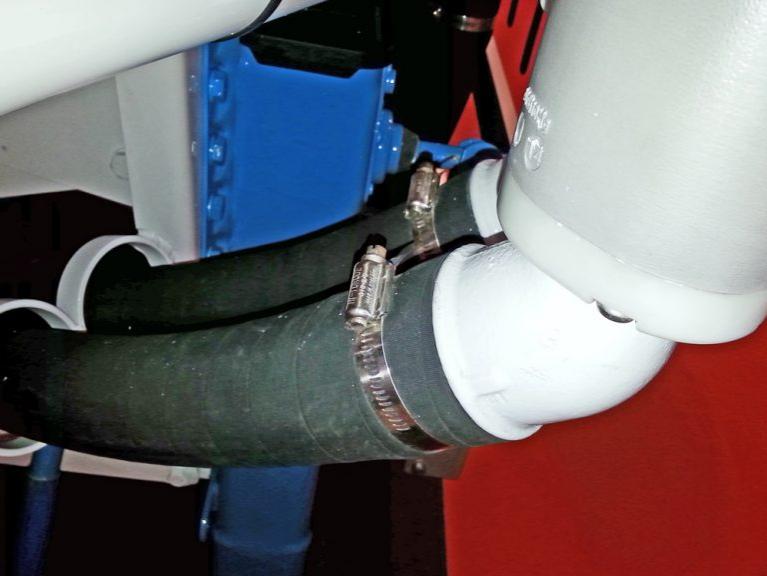
A worm hose clamp has a metal band and a screw. The screw threads fit into slots on the band. Turning the screw pulls the band tight around the hose. The band goes all the way around the connection. One full turn of the screw shortens the band by one slot. This gives the user strong tightening power. That power makes overtightening easy. The design is simple to use, but the same parts create risk. Overtightening is the most common way this worm hose clamp causes harm. If the screw turns too far, the band presses deep into soft rubber. The rubber then squeezes through the band openings. With enough force, the clamp can cut into the hose and leave a weak spot. That weak spot often stays hidden until the system is under pressure.
Overtightening and Uneven Pressure
Overtightening a worm gear clamp is the leading human mistake. A correctly tightened clamp should only slightly squeeze the hose. Many people turn the screw far past that point. The extra force raises radial compression, and the band starts biting into the rubber. On synthetic rubber hose, this can cause radial cracking, splits, and leaks under pressure. If a clamp is too tight, the threads can strip, and it becomes useless. An angled clamp also creates uneven pressure. A worm gear clamp must sit at a right angle to the hose. A crooked clamp puts too much load on one side, bending the hose and leaving a permanent groove. In one case, a professional watched a DIYer tighten a clamp so hard that the wall split below the metal. The split stayed hidden until the vehicle overheated. Visible signs include bulging at the pressure point, cracked ends, and clamp distortion. A torque wrench or a simple thumb test can help. Checking the clamp force before final assembly saves money and avoids a breakdown. The hose should show only a light indentation, never a deep groove. Rubber that feels like dough under the thumb means too much force. Without care, the clamp ends up damaging the connection instead of sealing it.
Hose Cover Damage and Cuts
A standard worm gear clamp uses a band with holes. The screw threads pass through these holes, which go all the way through the steel. Those holes have sharp edges. When the band tightens, those edges press into the outer layer. The pressure can cause holes, cuts, marks, and other damage. Technicians call this hose cover damage and extrusion. The rubber can push outward. This extrusion through the band openings forms a ridge. Heat and pressure later tear the ridge. Traditional worm gear clamps are especially harsh because they have no liner. The bare metal sits directly on soft silicone, so the band starts digging into soft hoses. This pressure can dig into your hose and lead to failure. The sharp edges also shear the hose surfaces. Heat and vibration make the problem worse. The cover softens, and the band edges sink deeper. Over time, the hose can no longer hold pressure. You should never overtighten a standard worm gear clamp on a soft material. Lined clamps are a safer choice. They place a rubber cushion between the metal and the hose. The cushion absorbs vibration, protects against cuts, and spreads force evenly. For silicone hoses or high-vibration systems, lined clamps are worth choosing. A manufacturer can adjust the liner thickness and band width to fit the job.
Factors That Increase Hose Damage Risk
Clamp Material and Hose Material
The mix of clamp and hose materials affects how likely damage is. Soft silicone hoses get damaged more easily than rubber hoses because they are softer. Silicone bends easily under heat, so the band edges of a standard worm gear clamp dig deeper into the surface. Rubber resists more, but it still changes shape under heavy force. A manufacturer must match band width and edge design to the hose type for a safe seal.
Corrosion resistance also matters. A clamp that rusts loses strength and grips unevenly. Stainless steel options, such as HWKG stainless steel clamps, resist rust and hold steady tension over time. A wholesale supplier can help buyers pick the right material grade for their application.
Application and Installation Technique
High-pressure and high-vibration applications increase risk. Standard worm gear clamps have a maximum pressure rating that drops under real-world conditions. Ideal conditions might allow up to 100 PSI, but in a hot, vibrating engine bay, the reliable long-term rating falls to 30-50 PSI. For systems exceeding 30 PSI or 250°F, standard worm gear clamps are not recommended.
| Tipo de abrazadera | Mejor caso de uso | Performance Under Stress |
|---|---|---|
| Abrazaderas de resorte para mangueras | Thermal expansion systems | Adapts to temperature swings |
| Screw hose clamps (worm gear) | Steady, low-pressure conditions | Can loosen under vibration |
| Abrazaderas de manguera con perno en T | High-pressure systems | Durable sealing under high pressure |
Wrong clamp size or poor installation technique raises the chance of damage. An undersized clamp cannot seal, while overtightening cuts into soft hoses. Vibration fatigue leads to micro-gaps that allow leaks. A custom clamp solution from a factory can address these challenges.
Loose Clamps: Clamps that become loose can lead to leaks and system inefficiency. Retighten the clamp using the appropriate tool. For clamps that frequently loosen, consider switching to a T-bolt or spring clamp, which may provide a more secure fit under vibration or temperature changes.
Signs of Hose Damage
Cracks, Cuts, and Leaks
A damaged hose often shows clear physical clues. Cracks may show up as a ring of fine lines right where the band edge touches the rubber. Cuts, tears, or groove marks under the clamp are common. The slotted band leaves bite marks on the surface. On silicone hoses, these tiny cuts spread when heat and pressure build up. A leak that gets worse when you tighten it is another warning sign. The clamp itself makes the leak path by cutting the hose or pulling it out of round. Coolant hoses held with worm gear clamps most often leak at the clamp joint instead of along the hose body. Common starting points include clamp torque errors, wrong clamp size, uneven band compression, overlapping worm slots, dirty surfaces, heat-cycling relaxation, and old hose. A wholesale supplier can help buyers choose the right clamp for each job.
| Componente afectado | Visible Defect(s) | Clamp-Damage Indicator |
|---|---|---|
| Manguera de goma | Bulging; split or cracked ends; cracks, splits, leaks under pressure | Over-tightened or misfitted clamp |
| Synthetic rubber hose | Radial cracking | Over-tightening or material mismatch |
| Soft rubber or vinyl line | Crushed walls | Rigid or automotive clamp mismatch |
| Soft silicone hose | Rotational slipping | Clamp-on elbow or mismatch |
| Worm gear clamp | Distorted clamp body or stripped threads | Extreme over-tightening |
Bulges and Soft Spots
Bulges and soft spots form at the clamp because it is the highest-stress point on the hose. Heat and age break down the reinforcement cord inside the hose wall. Once the cord weakens near the clamp, internal pressure pushes the rubber outward. A worm-gear clamp pinch point squeezes unevenly. The screw mechanism and free edge dig into the rubber. Overtightening cuts the cover and crushes reinforcement. Rubber then cold-flows away from the squeezed zone and bulges just past the band edge. Oil or fluid contamination softens and swells the rubber. The weakened material cannot grip the clamp firmly and squeezes out around the band. Electrochemical degradation can also break down the rubber from the inside near the metal fitting. This creates a soft spot or small bulge. Excess system pressure from a weak radiator cap or an overheating engine pushes pressure beyond the normal 13-16 psi. The already weakened clamp area is the first place to fail outward.
A soft bulge that grows with engine temperature or shows cracks at the clamp edge signals internal liner-to-reinforcement separation. This is a form of hose cover damage that often goes unnoticed until failure. Regular inspection catches these signs early and extends hose and clamp lifespan. Corrosion or loosening of the clamp itself is also a warning sign. A factory can provide custom clamp solutions for sensitive applications.
Conduct routine checks of hose clamps to identify signs of wear, corrosion, or loosening. Early detection of issues can prevent accidents and equipment failures.
Preventing Hose Damage
Proper Tightening and Clamp Size
Tightening a clamp too much is the main reason hoses fail. A worm hose clamp only needs enough force to stop leaks and slipping. Most standard clamps need about 4–6 Nm (35–53 in-lbs). Always check the maker’s torque charts if you have them. Tighten again after the engine heats up, because rubber relaxes over time. A screwdriver with a good grip keeps you from slipping. Stop turning once the hose feels snug and shows no squeeze. This easy habit can save your hose.
Picking the right clamp size is just as important. A “3/4-inch hose” means the inside diameter, not the outside. The clamp’s range must cover a bit below and above the hose’s real outside diameter. A bigger clamp is not always the right one.
Alternative Clamps and Maintenance
For touchy or high-vibration jobs, lined clamps give better protection. A heavy-duty bolt clamp with a bonded rubber sleeve cushions the hose and soaks up vibration. Rubber-lined or EPDM-cushioned band clamps spread pressure evenly and handle thermal expansion. These lined clamps stop the metal band from cutting into the hose. A standard worm gear clamp has no inner liner to protect soft hoses. Lined clamps also stay tight better than thin worm-gear bands. For extreme pressure, heavy-duty bolt clamps with thicker metal hold a steady grip. HWKG offers worm drive, heavy-duty bolt, band, and flexible pipe coupling clamps for different needs. A manufacturer or wholesale supplier can help match the right clamp to each job.
Checking your clamps often makes hoses and clamps last longer. Replace any clamp with rust, stripped threads, bending, or lost clamping force. Worm gear clamps have thin perforated bands that wear out at the holes. Stainless steel 316 clamps fight rust and last decades in harsh conditions. Galvanized clamps rust faster and may fail in under 5 years near salt or chemicals. Use the hose replacement interval as your clamp schedule. When one clamp fails, replace all the clamps next to it. A factory can provide custom solutions for demanding systems.
A worm hose clamp can harm a hose if you tighten it too much, if the band slots are sharp, or if you use it on soft silicone. Standard worm gear clamps have a maximum pressure rating that drops under real-world conditions; while ideal conditions might allow up to 100 PSI, in a hot, vibrating engine bay the reliable long-term rating falls to 30-50 PSI. If your system goes above 30 PSI or 250°F, a manufacturer or supplier should tell you to use T-bolt or spring clamps instead.
Slots can cut into soft or bendable hoses and cause damage (a lined worm gear hose clamp lowers this risk because it has a solid metal inside band that acts as a protective layer between the clamp and the hose).
You can protect your hoses. Match the clamp size to the hose, tighten it to the recommended torque of about 4–6 Nm (35–53 in-lbs), check for rust, and pick lined clamps for delicate jobs. These easy habits stop failures.
Preguntas frecuentes
What torque level is safe for a worm gear hose clamp?
A standard worm gear hose clamp only needs about 4–6 Nm (35–53 in-lbs) of torque. A simple rule works best: tighten until the hose feels snug. Stop when the rubber shows no deep groove.
Which hoses face the greatest damage risk?
Soft silicone hoses get damaged more easily than rubber hoses. Band edges cut deeper into silicone because the material is softer. High-pressure and high-vibration systems raise the risk even more. Harsh environments plus a standard clamp often cause early failure.
What visible signs show a clamp damaged the hose?
Cracks, cuts, leaks, bulges, and soft spots all signal damage. A leak that gets worse after tightening points to a clamp-related problem. Corrosion or loosening of the clamp itself is another warning. Checking often catches these clues early.
When should one pick an alternative clamp?
Systems above 30 PSI or 250°F need stronger options. T-bolt or spring clamps handle high pressure and vibration well. Lined clamps put a rubber cushion between metal and hose. A manufacturer or wholesale supplier can suggest the right style or custom option for each application.
How often should one inspect hose clamps?
Regular checks make both hose and clamp last longer. Look for rust, stripped threads, bending, or lost clamping force. Replace any clamp that shows wear. A factory can advise on maintenance intervals for demanding systems. Wholesale buyers should follow a scheduled inspection plan.