






Aprieta el abrazadera de manguera con engranaje helicoidal (girándolo entre 1/4 y 1/2 de vuelta) o ajustar el par de apriete entre 15 y 30 pulgadas-libras (in-lbs). Saber cómo utilizar correctamente abrazaderas para mangueras Ayuda a evitar fugas. Las abrazaderas de manguera de alta calidad con engranaje helicoidal garantizan un ajuste perfecto y evitan eficazmente las fugas.
Puntos clave
- Aprieta las abrazaderas de tornillo sin fin con un par de apriete de entre 15 y 30 pulgadas-libras, o gira el tornillo entre 1/4 y 1/2 vuelta más allá de que quede bien ajustado.
- Utiliza una llave de vaso para apretar las abrazaderas de manera uniforme y mantén la banda a 1/4 de pulgada del borde de la manguera.
- Evita apretar demasiado las abrazaderas, ya que el exceso de presión puede cortar las mangueras de goma blanda y dañar las roscas metálicas.
Especificaciones estándar de par de apriete y pautas de apriete para abrazaderas de tornillo sin fin
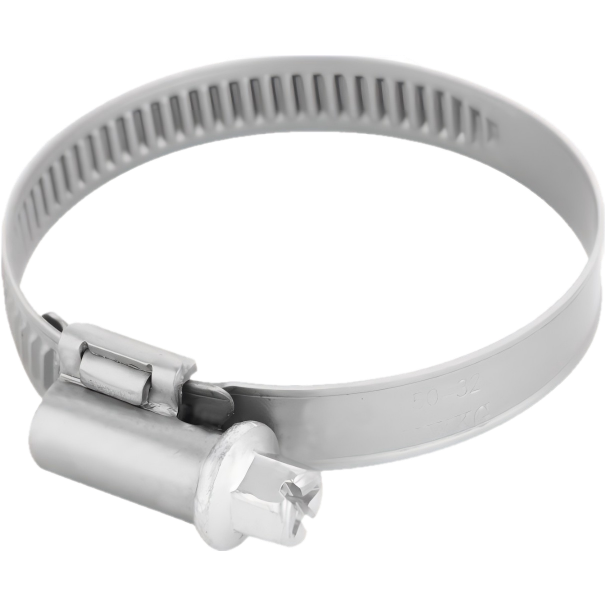
Especificaciones de par y consideraciones sobre el material de las mangueras
Los técnicos utilizan herramientas dinamométricas para ajustar el par de apriete de las mangueras estándar de goma y silicona entre 15 y 30 pulgadas-libras (in-lbs). Este ajuste representa aproximadamente entre la mitad y dos tercios de la capacidad máxima de apriete de la abrazadera. Las mangueras de caucho más blandas requieren menos fuerza de sujeción para evitar que los bordes metálicos corten la pared de la manguera. Una vez que se nota que la abrazadera queda bien ajustada contra la manguera de caucho blando, el operario afloja ligeramente el tornillo. La elección de una abrazadera del tamaño adecuado evita las fugas de líquido y previene los daños en la capa exterior de la manguera causados por un tamaño inadecuado.
| Solicitud | Tipo de abrazadera utilizada | Requisitos operativos y mecanismo de ajuste |
|---|---|---|
| Sistemas de refrigeración para automóviles | Abrazaderas de resorte | Requiere una dilatación automática del muelle para adaptarse a los cambios de temperatura en el compartimento del motor. |
| Fontanería doméstica | Breeze / Ear / Abrazaderas Oetiker | Es necesario apretar con fuerza y firmeza para garantizar una conexión permanente de la tubería. |
Habitual abrazaderas de engranaje helicoidal sufren tres cambios físicos previsibles con el paso del tiempo:
- Fase de expansión: Cuando las altas temperaturas hacen que la manguera se hinche, la parte rígida abrazadera de engranaje helicoidal se aprieta demasiado, lo que puede aplastar la goma o forzar los bordes metálicos.
- Fase de contracción: Cuando hace frío, la contracción térmica provoca una disminución de la fuerza de sujeción, lo que da lugar a pequeños desplazamientos, desgaste de la superficie y, finalmente, fugas de líquido.
- Relajación de tensiones: Las pruebas demuestran que la dilatación natural de la banda metálica y del caucho hace que la abrazadera pierda fuerza de sujeción tras unos cuantos ciclos térmicos, lo que obliga a apretarla más posteriormente.
Características visuales y táctiles de una sujeción correcta
Una instalación correcta presenta unas características visuales distintivas: alrededor del borde de la abrazadera se aprecia un anillo de protuberancias de goma finas y uniformemente extruidas, sin cortes en la superficie. Las abrazaderas de engranaje helicoidal de alta calidad protegen eficazmente la goma blanda contra posibles daños. Las bandas de acero inoxidable de la abrazadera fabricado por HWKG (Hengwei Hose Clamp Co., Ltd.) se caracterizan por sus ranuras de tornillo lisas. Como fabricante a gran escala, la empresa se especializa en el suministro de componentes diseñados para condiciones de funcionamiento exigentes.
| Aspecto destacado | Estilo alemán (bordes en relieve y enrollados) | Tipo americano (bandas perforadas) |
|---|---|---|
| Perfil de la superficie interior | El interior es completamente plano, ya que las ranuras de la rosca están estampadas en el exterior | Ranuras abiertas y agujeros perforados que pueden engancharse en el material delicado de las mangueras |
| Diseño de bordes | Bordes curvados que evitan que el metal se clave en la superficie blanda de la manguera | Los bordes rectos que tienen más probabilidades de trazar líneas nítidas en el caucho |
| Protección de mangueras | Evita que la goma blanda se rompa o se desgarre durante una instalación exigente | Mayor riesgo de que la manguera se pellizque si se tensa demasiado |
Las abrazaderas para mangueras de alta calidad crean una barrera hermética y a prueba de fugas, al tiempo que garantizan que la manguera permanezca bien sujeta. El diseño de banda ancha distribuye la fuerza de sujeción de manera uniforme por toda la superficie de contacto. Las robustas abrazaderas de engranaje helicoidal mantienen una presión de sujeción estable incluso en condiciones climáticas variables. Los ingenieros suelen optar por las abrazaderas de engranaje helicoidal para su uso en maquinaria y equipos industriales. Las abrazaderas de engranaje helicoidal de grado industrial se utilizan para fijar conductos críticos de transporte de fluidos. Estas abrazaderas evitan eficazmente que los conductos se suelten. Las abrazaderas de engranaje helicoidal duraderas resisten fluctuaciones extremas de temperatura. Las abrazaderas de engranaje helicoidal especializadas facilitan la instalación a los trabajadores. Las abrazaderas de tornillo sin fin de acero inoxidable ofrecen una excelente resistencia a la oxidación. Las abrazaderas de tornillo sin fin fiables garantizan un funcionamiento seguro del sistema. Todas las abrazaderas de tornillo sin fin requieren una inspección periódica. Los trabajadores deben actuar con mucho cuidado al apretar cada abrazadera de manguera. La instalación de una abrazadera de manguera adicional proporciona una doble capa de seguridad. Las abrazaderas flexibles sujetan firmemente las mangueras de goma blanda. Las abrazaderas robustas crean un sellado hermético. Las abrazaderas seguras y fiables fijan con firmeza los componentes lisos. Las abrazaderas estándar proporcionan un ajuste perfecto. Las abrazaderas limpias y en buen estado funcionan sin problemas y sin atascarse.
Riesgos e instrucciones paso a paso para la instalación de una abrazadera de gusano
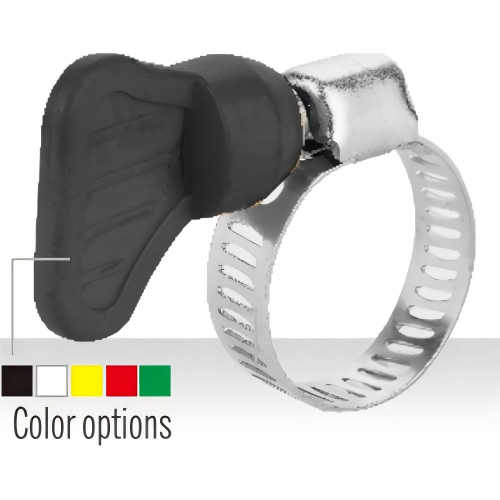
Riesgos de apretar demasiado y de no apretar lo suficiente
Si una conexión de manguera está suelta, puede provocar fugas de líquido, el deslizamiento de la manguera o incluso el desprendimiento repentino de la línea debido a vibraciones intensas. Un apriete insuficiente puede provocar fugas en la abrazadera de la manguera cuando varían las temperaturas. Para garantizar una conexión segura es necesario manipularla con cuidado, ya que una abrazadera bien apretada fija de forma segura la tubería de fluido y evita roturas accidentales.
Una fuerza de apriete excesiva puede provocar graves daños estructurales en los componentes de unión:
| Componente afectado | Se han observado daños estructurales |
|---|---|
| Accesorios de sujeción | – Doblado de la banda metálica – Rotura total o desgarro de la banda – Desgastar las roscas de los tornillos |
| Material de la manguera | – Aplastamiento grave de la superficie y daños en la forma – La goma sale por las ranuras metálicas – Agrietamiento, cortes y desgarros en caucho blando |
Buenas prácticas y técnica paso a paso para el apriete
Unos buenos métodos de montaje garantizan uniones sólidas entre las tuberías de diferentes máquinas. Los usuarios deben seguir una serie de pasos para aprender a utilizar correctamente una abrazadera para mangueras:
- Coloca la abrazadera de manguera en la tubería antes de acoplar el tubo.
- Coloca la abrazadera de la manguera a unos 1/4 de pulgada del borde abierto de la manguera.
- Coloca cada abrazadera de manguera de forma recta alrededor de la zona de unión para garantizar una sujeción uniforme.
- Gira el tornillo con una llave de vaso en lugar de un destornillador plano para evitar que se resbale.
- Aprieta cada abrazadera de manguera hasta que quede bien ajustada y da una vuelta más de entre 1/4 y 1/2 para garantizar su correcto funcionamiento.
Las abrazaderas de engranaje helicoidal, de gran fiabilidad, proporcionan una presión de sujeción constante y estable para los sistemas de los vehículos. Las modernas abrazaderas de engranaje helicoidal cuentan con una estructura de compensación elástica integrada (o “resorte activo”) dentro de la banda metálica; esta estructura se contrae cuando la dilatación térmica hace que la manguera se hinche y se expande durante la contracción a baja temperatura, manteniendo así una sujeción segura sin necesidad de reajustes manuales. Aprovechando procesos de fabricación avanzados y tecnología de conformado de bandas de precisión, HWKG produce abrazaderas de tornillo sinfín robustas y duraderas. Las abrazaderas estándar ejercen una fuerza constante para garantizar conexiones seguras de las mangueras OEM; las abrazaderas de precisión protegen las mangueras delicadas; las abrazaderas optimizadas desde el punto de vista de la ingeniería mantienen una alta presión y resisten vibraciones intensas; y las abrazaderas versátiles garantizan un sellado hermético y la integridad de la conexión. La elección de abrazaderas de engranaje helicoidal duraderas garantiza un funcionamiento seguro del vehículo en condiciones exigentes.
Preguntas frecuentes
¿Cómo eligen los técnicos el tamaño adecuado de abrazadera para mangueras?
Los técnicos consultan una tabla de tallas para elegir la abrazadera más adecuada. Elegir la talla correcta evita fugas de líquido y garantiza un rendimiento óptimo de los componentes. Una abrazadera resistente sujeta la manguera de forma segura y crea un sellado hermético.
¿Cuál es la forma correcta de quitar una abrazadera de manguera?
Los mecánicos suelen utilizar una llave de vaso sencilla para retirar las abrazaderas de manguera. Para aflojar la abrazadera, el operario solo tiene que girar el tornillo hacia la izquierda. Los trabajadores cualificados saben cómo realizar la retirada sin dañar los componentes de goma blanda.
¿Se pueden volver a utilizar las abrazaderas de manguera tras el mantenimiento?
Los mecánicos revisan minuciosamente las abrazaderas viejas antes de volver a instalarlas. El uso de una abrazadera dañada podría provocar fugas de líquido, mientras que el uso de una nueva contribuye a garantizar el funcionamiento seguro del equipo. Las abrazaderas de acero inoxidable son resistentes a la oxidación. Los trabajadores aprietan bien cada abrazadera durante la instalación.