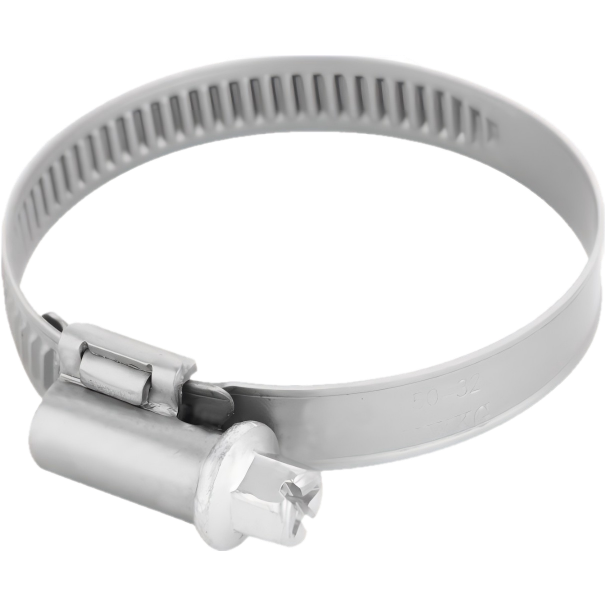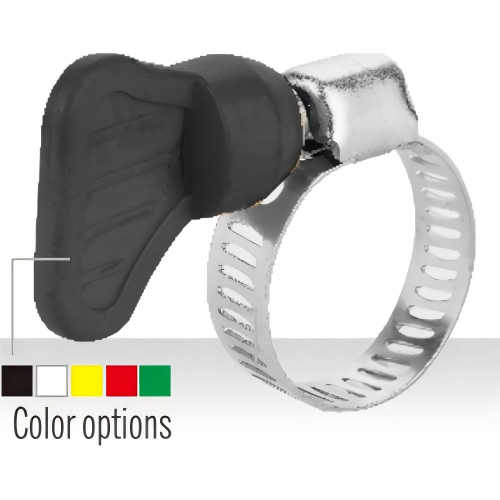




Tighten the worm-gear hose clamp (turning it 1/4 to 1/2 of a turn) or set the torque between 15 and 30 inch-pounds (in-lbs). Knowing how to properly use 软管夹 helps prevent leaks. High-quality worm-gear hose clamps ensure a tight fit and effectively prevent leakage.
主要收获
- Tighten worm clamps between 15 and 30 in-lbs of torque or turn the screw 1/4 to 1/2 turn past snug.
- Use a socket tool to tighten clamps evenly and keep the band 1/4 inch from the hose edge.
- Avoid overtightening clamps because excess pressure cuts soft rubber hoses and damages metal threads.
Standard Worm Clamp Torque Specs and Tightness Cues

Torque Specifications and Hose Material Considerations
Technicians use torque tools to set the tightening torque for standard rubber and silicone hoses between 15 and 30 inch-pounds (in-lbs). This setting represents approximately one-half to two-thirds of the clamp’s maximum tightening capacity. Softer rubber hoses require less clamping force to prevent the metal edges from cutting into the hose wall. Once the clamp is felt to be snug against the soft rubber hose, the operator backs off the screw slightly. Selecting a hose clamp of the correct size prevents fluid leaks and avoids damage to the hose’s outer layer caused by improper sizing.
| 应用 | Clamp Type Used | Operational Requirement & Tightness Mechanism |
|---|---|---|
| 汽车冷却系统 | 弹簧夹 | Needs automatic spring stretch to handle heat changes inside the engine bay. |
| Household Plumbing | Breeze / Ear / Oetiker Clamps | Needs a solid, unyielding squeeze to maintain a permanent pipe connection. |
Regular 蜗杆夹 go through three predictable physical changes over time:
- Expansion Phase: When hot temperatures cause the hose to swell larger, the rigid 蜗轮夹 gets extra tight, which can crush the rubber or strain the metal edges.
- Contraction Phase: During cold weather, thermal shrinking makes the holding grip drop, creating small shifts, surface wear, and eventual liquid leaks.
- Stress Relaxation: Tests show that natural stretching in the metal band and rubber makes the clamp lose grip strength after a few hot cycles, requiring extra tightening later.
Visual and Tactile Characteristics of Correct Clamping
Proper installation yields distinct visual characteristics: a ring of fine, evenly extruded rubber protrusions is visible around the edge of the clamp, with no surface cuts. High-quality worm-gear clamps effectively protect soft rubber from damage. The stainless steel clamp bands manufactured by HWKG (Hengwei Hose Clamp Co., Ltd.) feature smooth screw slots. As a large-scale manufacturer, the company specializes in providing components designed for demanding operating conditions.
| Feature Aspect | German Type (Embossed & Rolled Edges) | American Type (Perforated Bands) |
|---|---|---|
| Inner Surface Profile | Fully flat inside because the thread grooves are stamped on the outside | Open slots and punched holes that can snag sensitive hose material |
| 边缘设计 | Curved edges that keep the metal from digging into the soft hose surface | Straight edges that are more likely to cut sharp lines into the rubber |
| 软管保护 | Stops soft rubber from ripping or tearing during heavy installation | Greater chance of pinching the hose when pulled very tight |
High-quality hose clamps create a tight, leak-proof barrier while ensuring the hose remains secure. The wide-band design distributes clamping force evenly across the contact surface. Robust worm-gear clamps maintain stable clamping pressure even amidst changing weather conditions. Engineers frequently select worm-gear clamps for use in factory machinery and equipment. Industrial-grade worm-gear clamps are used to secure critical fluid transport lines. These clamps effectively prevent lines from detaching. Durable worm-gear clamps withstand extreme temperature fluctuations. Specialized worm-gear clamps facilitate easy installation for workers. Stainless steel worm-gear clamps offer excellent rust resistance. Reliable worm-gear clamps ensure safe system operation. All worm-gear clamps require periodic inspection. Workers exercise great care when tightening each hose clamp. Installing an additional hose clamp provides a double layer of safety. Flexible hose clamps grip soft rubber hoses firmly. Sturdy hose clamps create a tight seal. Safe and reliable hose clamps securely fasten smooth components. Standard hose clamps provide a snug fit. Clean, well-maintained hose clamps operate smoothly without binding.
Risks and Step-by-Step Worm Clamp Installation

Risks of Over-tightening and Under-tightening
If a hose connection is loose, it can lead to fluid leakage, hose slippage, or even sudden detachment of the line due to severe vibration. Insufficient tightening may cause leaks at the hose clamp when temperatures fluctuate. Ensuring a secure connection requires careful handling, as a properly tightened clamp safely secures the fluid line and prevents accidental rupture.
Excessive tightening force can cause severe structural damage to the connecting components:
| Affected Component | Structural Damage Observed |
|---|---|
| Clamping Hardware | – Bending of the metal band – Total snapping or ripping of the band – Stripping out the screw threads |
| Hose Material | – Heavy surface crushing and shape damage – Rubber squeezing out through the metal slots – Cracking, cutting, and tearing on soft rubber |
Best Practices and Step-by-Step Tightening Technique
Good mounting methods ensure strong pipe joints across different machines. Users perform ordered steps to learn how to use a hose clamp properly:
- Push the hose clamp onto the line before attaching the pipe.
- Set the hose clamp about 1/4 inch back from the open hose edge.
- Place every hose clamp straight around the joint area for even holding power.
- Turn the screw with a socket tool instead of a flathead driver to prevent slips.
- Turn each hose clamp until firm plus 1/4 to 1/2 turn for correct hose clamp use.
Reliable worm-gear clamps provide consistent, stable clamping pressure for vehicle systems. Modern worm-gear clamps feature an integrated elastic compensation structure (or “active spring”) within the metal band; this structure contracts when thermal expansion causes the hose to swell and rebounds during low-temperature contraction, thereby maintaining a secure grip without the need for manual readjustment. Leveraging advanced manufacturing processes and precision band-forming technology, HWKG produces robust and durable worm-gear clamps. Standard clamps deliver consistent force to ensure secure OEM hose connections; precision clamps protect delicate hoses; engineering-optimized clamps maintain high pressure and withstand intense vibration; and versatile clamps ensure tight sealing and connection integrity. Choosing durable worm-gear clamps ensures safe vehicle operation under demanding conditions.
常见问题
How do technicians select the right hose clamp size?
Technicians consult a size chart to choose the most suitable clamp. Selecting the correct size prevents fluid leaks and ensures optimal component performance. A sturdy clamp securely holds the hose in place and creates a tight seal.
What is the correct way to remove a hose clamp?
Mechanics typically use a simple socket tool to remove hose clamps. To loosen the clamp, the operator simply turns the screw to the left. Skilled workers know how to perform the removal without damaging soft rubber components.
Can hose clamps be reused after maintenance?
Mechanics carefully inspect old clamps before reinstalling them. Using a damaged clamp could lead to fluid leaks, whereas using a new one helps ensure the equipment operates safely. Stainless steel clamps resist rust. Workers tighten each clamp securely during installation.