






Most hose clamps have a pressure rating between 50 and 250 PSI. The specific pressure rating depends on the type and quality of the clamp. Hengwei uses digital tools and new equipment to produce robust and durable hose and clamp products. The pressure rating of a 4-inch hose clamp depends on its material, design, and installation method. The table below lists common pressure ratings:
| Clamp Type | Pressure Range (PSI) |
|---|---|
| Worm Gear Clamps | Up to 50 (soft hoses), 100 (rigid hoses) |
| T-Bolt Clamps | 150-250 (most hoses), 300+ (heavy-duty) |
| Quick Release Clamps | 100-200 (standard), up to 250 (high-end) |
Key Takeaways
- Most hose clamps can withstand pressures from 50 to 250 PSI. The specific pressure depends on the type and quality of the clamp.
- The material and design of the clamp affect its strength. Stainless steel performs best under high pressure and has excellent rust resistance.
- Proper installation of the clamps is crucial. Ensure the clamps are installed firmly and evenly, which helps prevent leaks.
- Do not overtighten the clamps. Overtightening can damage the hose and may cause leaks.
- Always consult the pressure rating and size chart, which will help you select the appropriate clamp.
Hose Clamp Force Factors
Materials and Design
The material and design of hose clamps are crucial, as they determine the clamp’s load-bearing capacity. Most of Hengwei’s hoses and clamps are made of high-strength steel and stainless steel. These materials are tough, durable, and rust-resistant. The table below lists the performance of different materials in various aspects:
| Material | Strength | Corrosion Resistance | Application Areas |
|---|---|---|---|
| Steel | Superior | Moderate | High-vibration, heavy-duty environments |
| Stainless Steel | Excellent | High | Marine, chemical, outdoor applications |
| Aluminum | Good | Moderate | Mobile equipment |
| Elastomers | Shock absorption | N/A | Protects hose from abrasion |
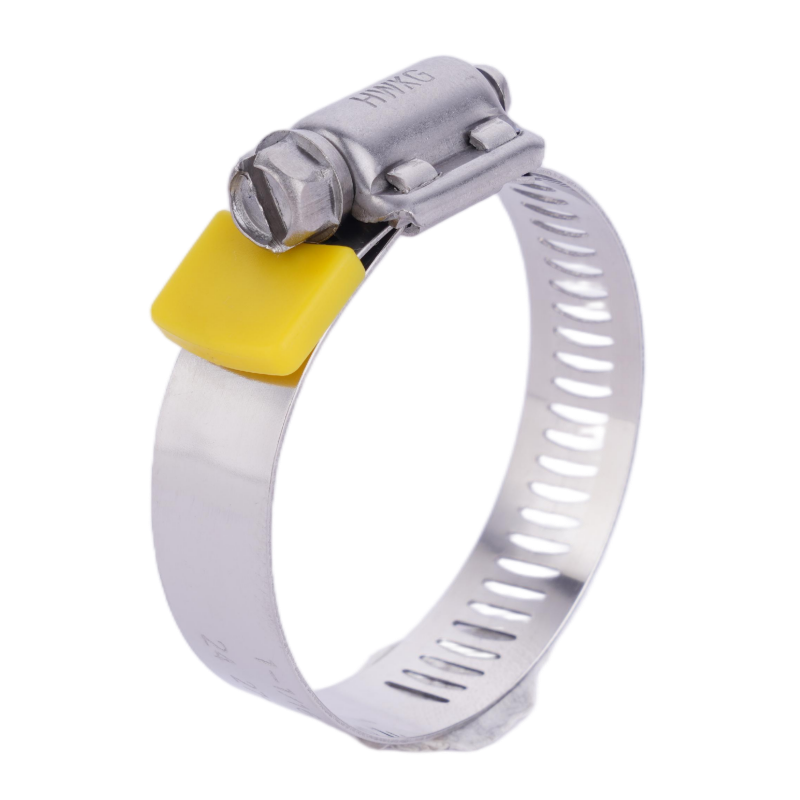
Different clamp designs compress the hose downwards in specific ways. Common types include worm gear driven, T-bolt, and band clamps. Even pressure distribution is crucial. This helps prevent hose slippage and ensures a secure clamp. Hengwei uses digital tools to inspect every hose and clamp to ensure their robustness and durability.
Sizes and Types
The size and type of hose clamps affect the pressure they can withstand and their sealing performance. A hose clamp size chart can help users select the appropriate clamp. Small clamps have thinner bands, while heavy-duty clamps have wider bands, which better distribute pressure. The table below lists common clamp types and their applications:
| Hose Clamp Type | Applications | Force Requirements |
|---|---|---|
| Plastic hose clamps | Automotive fuel lines, outdoor hoses | Lightweight, reusable |
| Worm-drive hose clamps | Automotive, plumbing, temporary repairs | High clamping force, heavy-duty |
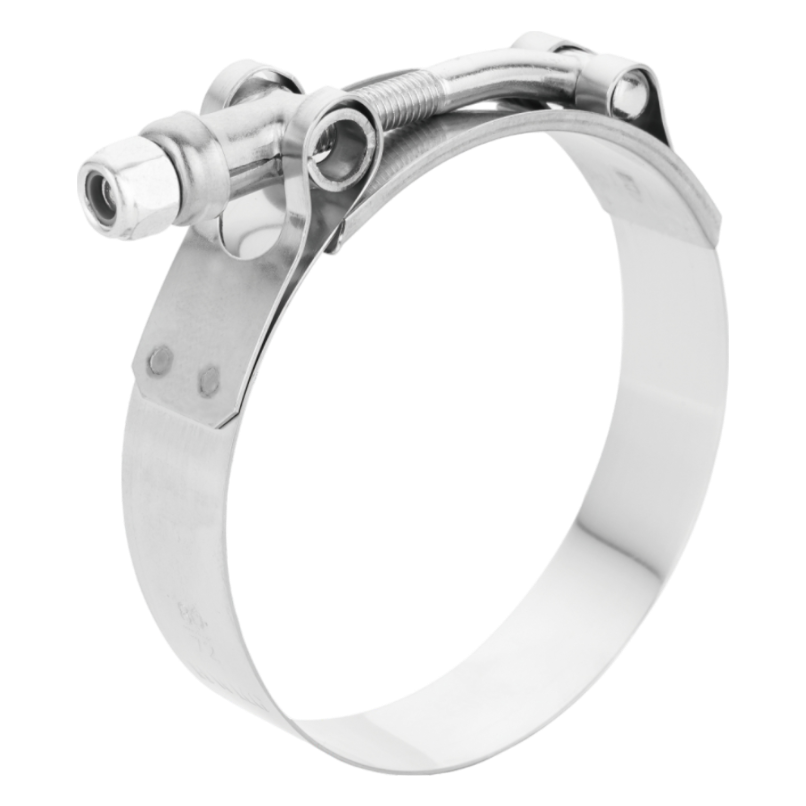
| T-bolt hose clamps | Specialty vehicles, pool plumbing | High pressure, excellent sealing |
Installation Quality
The way hoses and clamps are installed is crucial. Proper installation helps clamps withstand greater pressure. Even pressure around the joint prevents leaks. Ear clamps retain their round shape and withstand pressure even after tightening. Spiral clamps require careful handling to ensure even pressure distribution. Hengwei uses specialized tools to inspect the quality of each hose and clamp.
Properly installed hoses and clamps maintain their rated pressure. They also prevent leaks in hard-to-reach areas. This is especially important in places where safety is critical, such as cars, kitchens, and gardens.
Hose Clamp Force Ratings
Understanding pressure ratings helps people choose the right hose clamps. Pressure ratings indicate the maximum pressure a hose and clamp can withstand before leaking.
Standard Clamps
Standard hose clamps are suitable for many everyday tasks. Most standard clamps can withstand pressures from 50 to 100 PSI. These clamps are made of 304 stainless steel, carbon steel, or ferritic steel. The material affects the clamp’s strength and service life. Hengwei uses high-strength steel and stainless steel to manufacture clamps for automotive, kitchen, and garden applications.
| Material | Core Features | Recommended Application |
|---|---|---|
| 304 Stainless Steel | Strength, excellent corrosion resistance | General Industrial, Automotive, Water Treatment |
| Carbon Steel (coated) | High strength, low cost | Industrial environments |
| Ferritic Steel (e.g., F1) | Economical, some corrosion resistance | Automotive, low-to-medium pressure |
| Nylon (PA) | Lightweight, elastic, chemical resistance | Hydraulic lines, wire harnesses |
Hengwei standard hose clamps offer excellent sealing and are suitable for most hoses. These clamps are compatible with a wide range of hose sizes and types, making them popular with individuals and businesses worldwide.
Heavy-Duty and Specialty Clamps
Heavy-duty and specialty hose clamps can withstand greater pressure and tensile forces. These clamps typically feature a T-bolt or band design. Heavy-duty clamps can withstand pressures from 150 to 250 PSI. Some steel T-bolt clamps can even withstand pressures up to 300 PSI or higher. Hengwei uses specialized equipment to test the strength of each clamp.
Heavy-duty clamps are made of 316 stainless steel or aluminum alloy. These materials are rust-resistant and durable, even in harsh environments. Specialty clamps are suitable for marine applications, chemical plants, and locations with high vibration. The Hengwei team can customize clamps for special applications and provides services to numerous businesses.
Hose Clamp Safety & Best Practices
Avoid Overtightening
Overtightening hose clamps can cause serious problems. Excessive force can cause the hose to bend or flatten, obstructing fluid flow and causing leaks. The clamp itself may also be damaged or deformed, rendering it inoperable. Sometimes, overtightening can even damage the clamp or connector.
To avoid these problems, operators should use appropriate tools. A calibrated torque wrench can help you apply the correct pressure. Regularly checking tools ensures they are functioning properly. For hoses, fuel line clamps are a good option. Line clamp tools are helpful for on-site repairs. These methods help prevent thread breakage or connector bending.
Ensure Proper Installation
Proper installation is crucial for a secure connection between the hose and clamp. The clamp diameter should be a tight match to the hose diameter. If the clamp is too loose or too tight, it will not effectively maintain pressure, which can lead to leaks or bursts in high-pressure systems.
The following table lists the key safety steps for high-pressure operations:
| Safety Practice | Description |
|---|---|
| Service Pressure | Hose connections should handle double the normal pressure, or 300 psi. |
| Material Strength | Steel clamps are best for high-pressure work. |
| Correct Size | Clamp diameter must match hose diameter. |
| Avoid Over-tightening | Too much force can hurt the hose or clamp. |
| Proper Torque | Use calibrated tools to avoid tightening too much. |
| Corrosion Resistance | Stainless steel clamps stop rust in tough places. |
| Use of Two Clamps | For important repairs, use two clamps for extra safety. |
When picking a clamp, think about pull-off and blow-off resistance. The clamp should fit tightly and allow for heat changes. Always choose a clamp that matches the hose’s outside diameter plus a little extra. This gives a strong seal and helps the repair last longer.
A hose clamp can hold between 50 and 250 PSI. The amount depends on what it is made of, its shape, and how you put it on. Hengwei is known for making good and reliable clamps. Here is some information about Hengwei:
| Company Name | Established | Workforce Size | Reputation |
|---|---|---|---|
| Yuyao Hengwei Hose Clamp Co., Ltd. | 2003 | 101-200 | Known for quality products and competitive pricing |
FAQ
How does Hengwei test the strength of hose clamps?
Hengwei uses computers and specialized equipment to test its clamps. Their team uses high-pressure tools and a hot chamber to test each clamp. This ensures the safety and good performance of each clamp.
Can hose clamps be reused?
Yes, you can reuse many clamps if they are not damaged. Before reuse, check the clamps for wear or bending. Hengwei recommends using new clamps for critical operations for safety reasons.
What is the best material for hose clamps?
Stainless steel is the best choice for most applications. It does not rust and can withstand strong pressure. Hengwei sells both steel and stainless steel clamps to meet different application needs.
How to choose the right size hose clamp?
First, measure the outer diameter of the hose (with fittings). Select a clamp of the appropriate size. Hengwei provides a size chart to help users choose the right clamp.