






Hose clamps create sealed hose-to-fitting joints to eliminate fluid and gas leakage across automotive, sanitary plumbing and industrial fluid systems. Correct sizing, matched hand tools and standardized installation procedures are core to durable leak-free connections per SAE J1670 industry specifications. Following formal assembly steps reduces early joint failure and extends service life of hose assemblies.
Key Takeaways
- Select clamps matching the measured hose outer diameter (OD) per SAE J1670 sizing charts to eliminate leakage risks.
- Deploy calibrated torque wrenches for controlled tightening to avoid hose wall deformation caused by over-torque or slipping from under-torque.
- Perform periodic visual inspections; replace corroded, cracked or fatigued clamps to preserve consistent sealing pressure.
Prepare for Hose Clamps
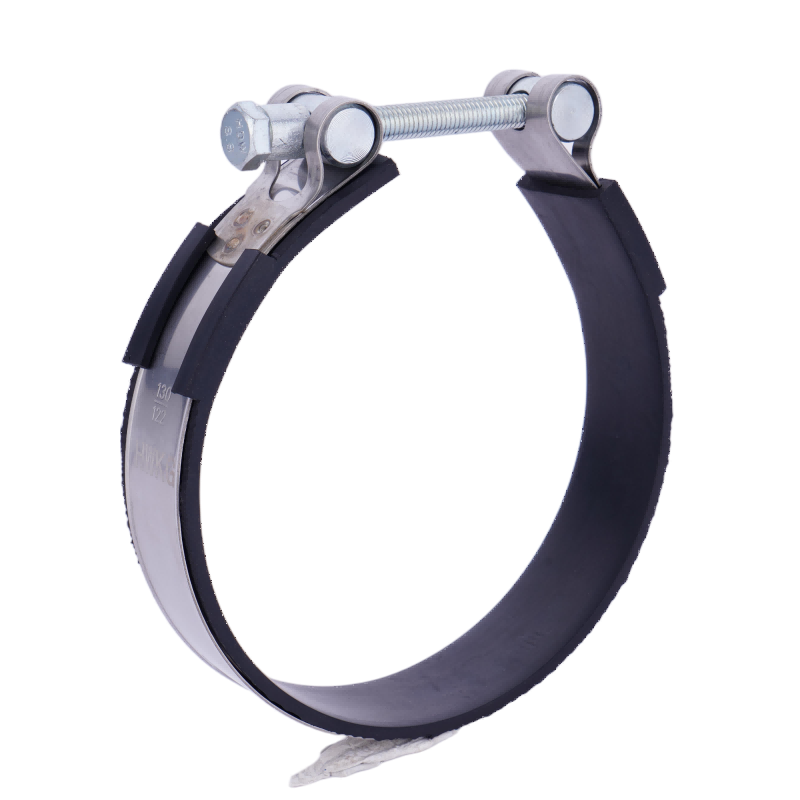
Choose the Right Size
Picking the right size hose clamp is very important. It helps make sure the hose does not leak. Hengwei makes many sizes for different hoses. To pick the right clamp, do these steps:
- Find out what kind of hose you have. Some hoses need special clamps for high pressure or chemicals.
- Use a caliper or tape to measure the hose’s outside.
- Look at the clamp’s size range to see if it fits.
- Think about what the clamp is made of. Stainless steel does not rust and works for most jobs.
- Think about where you will use the clamp. Hot places or places with shaking may need a stronger clamp.
- Check if the clamp is safe and good quality.
If you use the wrong size, the hose can leak or break. Hengwei checks their clamps to stop these problems.
Gather Tools
Having the right tools makes putting on clamps easier and safer. Some tools you might need are:
- Mini-torque wrench to tighten the clamp just right
- ¼ inch drive ratchet for fast tightening
- Screwdrivers for easy jobs
- Socket drive for using many clamps
- Flexible socket drive for hard-to-reach places
- Special hose clamp drivers for comfort and control
These tools help the clamp stay tight and not slip.
Ready the Hose and Fitting
Before you start, clean the hose and fitting. You can use petroleum ether, kerosene, or a cleaning spray. Air or liquid can wash away dirt and oil. Clean parts help the clamp seal well and last longer.
| Type of Clamp | Description | Typical Use Cases |
|---|---|---|
| Worm drive | Adjustable, strong grip | Plumbing, automotive, garden |
| Bolt clamp | Handles high pressure | Industrial, heavy-duty hoses |
| Band clamp | Wide band for even pressure | Large diameter hoses |
| Pipe coupling | Joins two pipes or hoses securely | Water, gas, and industrial systems |
Install Hose Clamps
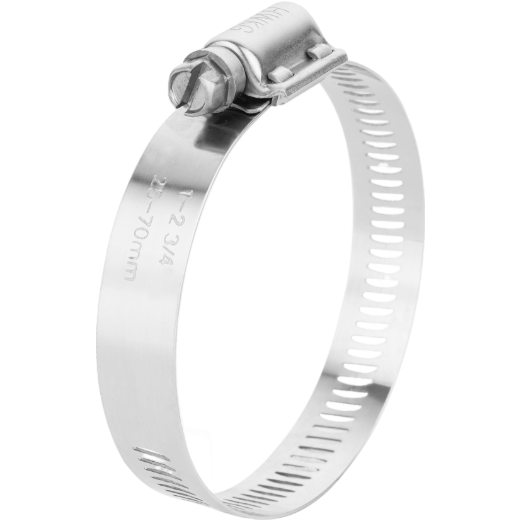
Position the Clamp
Slide the clamp onto the hose shaft before seating the hose onto the barbed fitting. Center the clamp band fully over the fitting barb section; reserve a ¼-inch exposed hose segment beyond the clamp edge. This centered positioning distributes compression evenly across the sealing zone and minimizes leakage risk. Precision-machined clamp bands simplify consistent alignment during assembl.
Tip: Make sure the screw head faces a direction that is easy to reach with your tool.
Install a Worm Gear Hose Clamp
To install a worm gear hose clamp, follow these steps:
- Select the correct size clamp for the hose. Match the clamp diameter to the hose.
- Use a flat-head screwdriver or a 1/4-inch hex-head nut driver for narrow band clamps. Use a 5/16-inch hex-head nut driver for standard clamps.
- Turn the worm gear screw counterclockwise to open the clamp. Slide the clamp over the end of the hose.
- Push the hose fully onto the fitting.
- Move the clamp back up the hose and position it over the fitting barbs or serrations. For fittings up to 1-1/4 inches, place the clamp 1/4 inch from the end. For larger fittings, leave 3/8 inch from the end.
- Turn the worm gear screw clockwise to tighten. The screw meshes with the band slots and pulls the clamp tight around the hose.
Hengwei’s automated production lines ensure each clamp fits perfectly and operates smoothly during installation.
Tighten Securely
A worker tightens the clamp until it feels snug. Using the right tool helps avoid over-tightening or under-tightening. Torque wrenches are best for applying the correct force. The table below shows recommended torque values:
| Clamp Size | Rated Ultimate Torque | Recommended Installation Torque |
|---|---|---|
| #4 & #5 | 15 in.lbs. (1.7 Nm) | 10-12 in.lbs. (1.1-1.4 Nm) |
| #6 and larger | 60 in.lbs. (6.8 Nm) | 35-45 in.lbs. (3.96-4.52 Nm) |
Over-tightening can crush the hose and cause leaks. Under-tightening can let the hose slip and leak. Hengwei clamps are tested with high-pressure equipment to ensure they hold up under proper torque.
Secure Installation Tips
After tightening, check the clamp for proper placement. Inspect the connection for signs of moisture or leaks. Run the system at low pressure first, then increase to normal levels while watching for leaks. If you see any leaks, adjust the clamp or replace it if needed.
Note: Always use the right tool for the clamp type. Torque wrenches work well for automotive and industrial jobs. Specialized tools help in tight spaces.
Hengwei’s digital quality management system ensures every clamp passes strict inspections, so users can trust the seal.
Common Mistakes
Many installers make mistakes that can lead to leaks or hose damage. Some common errors include:
- Improper torque: Not tightening enough causes leaks.
- Thin-walled hoses: Sharp clamp edges can cut into the hose.
- Clamp wear or fatigue: Old clamps may crack and fail.
- Pipe vibration or displacement: Movement can loosen clamps.
To avoid these mistakes, always tighten clamps to the manufacturer’s specifications. Choose the right clamp for the job. Inspect clamps regularly and replace damaged ones. Hengwei clamps are designed to resist wear and fatigue, providing long-lasting performance.
Double Clamping
Double clamping is useful for high-pressure hoses or critical areas. Place two clamps with about 3/4 inch between the bands. Position the screws on opposite sides of the barb for even pressure. Use a 1/4-inch drive ratchet to apply torque between 18 and 32 inch-pounds. This method increases safety and prevents leaks in hard-to-inspect areas.
Callout: Double clamping is recommended for automotive coolant lines and industrial hoses that face high pressure.
Hengwei hose clamps offer consistent quality, making them ideal for double clamping in demanding applications.
Standardized hose clamp assembly eliminates leakage and extends the service lifespan of fluid piping assemblies. Follow this permanent maintenance checklist for long-term joint reliability:
- Select clamp hardware rated for your system’s operating pressure and peak temperature
- Strictly adhere to published installation torque values to avoid hose crushing or slippage
- Conduct routine visual inspections for rust, band deformation and thread wear
- Perform re-torque after thermal cycling or prolonged equipment vibration
- Replace fatigued, corroded or cracked clamps immediately upon detection
FAQ
How does someone know if a hose clamp is tight enough?
A properly torqued clamp holds the hose firmly without visible indentation or deformation of the hose wall. Calibrated torque wrenches deliver the most accurate measurement aligned with SAE J1670 reference values.
Can Hengwei Hose Clamps be used outdoors?
Yes. Hengwei Hose Clamps use stainless steel. They resist rust and work well in outdoor environments like gardens or vehicles.
What tools work best for installing hose clamps?
- Flat-head screwdriver
- 1/4-inch drive ratchet
- Torque wrench for precise tightening
These tools help achieve a secure fit.