





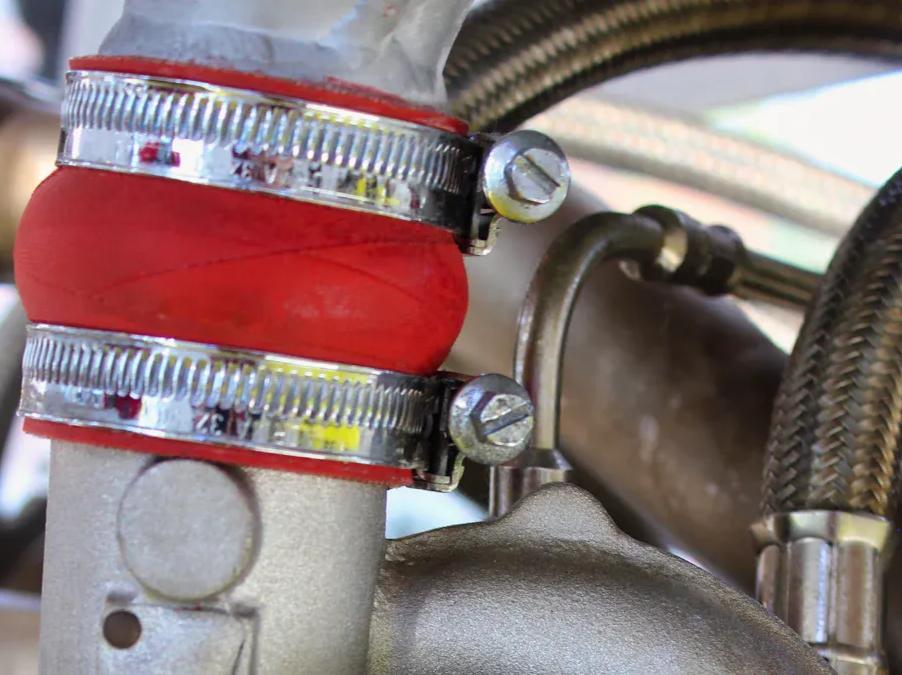
Hose clamps are mainly divided into three types: screw clamps, constant tension clamps, and wire clamps. Hengwei Hose Clamp Co., Ltd. manufactures all three types of clamps, suitable for various applications such as automobiles, kitchens, and gardens. Screw clamps are suitable for situations requiring a secure hold. Constant tension clamps are suitable for HVAC systems with significant temperature variations. Wire clamps help secure hoses and achieve a tight seal in many applications. All three types of hose clamps can handle various tasks, light and heavy. Choosing the right hose clamp will help you complete your work smoothly.
Key Takeaways
- Screw clamps securely hold items and are suitable for various applications such as automobiles, kitchens, and gardens.
- Constant tension clamps automatically adjust their size according to temperature changes, making them ideal for HVAC systems.
- Wire clamps are easy to install, suitable for small-scale operations, and are economical.
- Choosing the right hose clamp can prevent leaks and ensure the proper functioning of the system.
- Hengwei Hose Clamp Co., Ltd. offers hose clamps for a variety of purposes. They can also customize special styles of clamps if needed.
Hose Clamp Types Overview
What are the three types of hose clamps?
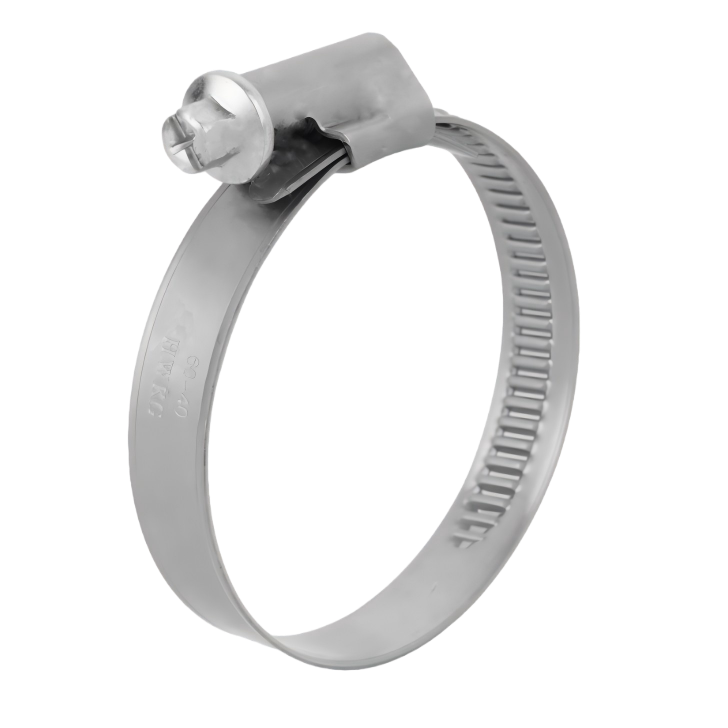
There are three main types of commonly used hose clamps: screw clamps, constant pressure clamps, and wire clamps. Each type has its optimal application. Screw clamps use a worm gear to secure the hose tightly. Constant pressure clamps use a spring to maintain stable pressure, which helps to cope with temperature changes. Wire clamps have a simple shape, are made of steel wire, and can firmly clamp the hose, and are easy to install and remove.
Key Features of Each Type
The table below lists the main features and uses for each hose clamp type:
| Clamp Type | Characteristics | General Uses |
|---|---|---|
| Screw Clamps | Simple to tighten, strong hold, fits many hose sizes | Cars, kitchens, gardens, repairs |
| Constant-Tension Clamps | Keeps pressure steady, works with heat and shaking | Cars, factories, HVAC systems |
| Wire Clamps | Easy design, fast to use, fits many hose sizes | Plumbing, cars, light jobs |
Hose clamps are known for their strong holding power and ease of use. They are frequently used in automotive and home repairs. Constant tension clamps are suitable for applications where hose dimensions vary, such as engines or heating systems. Wire clamps are simple in design, suitable for light work, and also for hoses with varying dimensions. These three types of hose clamps offer a wide range of options to meet diverse needs, from large-scale projects to quick repairs.
Screw Clamps (Worm Gear)
Working Principle of Threaded Hoses Clamps
Threaded hose clamps, also known as worm gear hose clamps, employ a simple yet effective threaded fastening mechanism. The clamp’s band wraps around the hose. When someone turns the screw, the band tightens. This action is achieved by the worm gear moving along the threaded path. The clamp evenly presses against the hose and fitting. This prevents leaks and secures the hose in place.
The table below explains the working principle of worm gear hose clamps:
| Functionality | Description |
|---|---|
| Mechanism | Uses a mechanical thread that winds around its own axis like a worm to tighten the band of the clamp. |
| Adjustment | Can be precisely adjusted with a simple twist to hold hoses in the desired position. |
Worm gear hose clamps prevent liquid or gas leaks. They apply stable pressure between the hose and the fitting. Many people use worm gear hose clamps because they want to understand how they work in different applications. Worm gear driven hose clamps provide a tight seal for mobile, cooling, supply, drainage, or vacuum systems.
Common Applications and Benefits
Hengwei Hose Clamps Co., Ltd. manufactures reliable worm gear hose clamps suitable for a variety of applications. In automobiles, these clamps are used to secure coolant hoses and fuel lines. In kitchens, they are used to secure water pipes and drain hoses. Gardeners use worm gear hose clamps to secure irrigation and sprinkler systems.
The following table lists the main benefits and applications of worm gear hose clamps:
| Type of Clamp | Benefits | Applications |
|---|---|---|
| Worm gear hose clamps | Cost-effective, versatile, easy to adjust | Automotive hoses, garden pipes, kitchen plumbing, irrigation systems |
People choose worm gear hose clamps because they fit many hose sizes. They work well for medium-pressure jobs. Worm gear hose clamps are also great for do-it-yourself projects and quick repairs. Hengwei’s worm gear clamps give a strong hold and last a long time. Many industries trust these clamps for safety and performance.
Tip: Worm gear hose clamps help prevent leaks and keep systems running smoothly in cars, kitchens, and gardens.
Constant-Tension Clamps
Working Principle of Constant Pressure Clamps
Constant pressure clamps utilize a special spring mechanism to maintain a tight seal on the hose. When the hose expands or contracts, the spring inside the clamp springs back. This action helps the clamp maintain a constant pressure on the hose. Many hoses, such as rubber or silicone hoses, deform when temperatures change. Constant pressure clamps automatically adapt to these changes, preventing the hose from loosening and leaking.
The following are the working principles of constant pressure clamps under different conditions:
- The spring force keeps the clamp tight, even if the hose gets bigger or smaller.
- The clamp adapts to temperature changes, so it does not lose grip.
- The design helps the clamp stay secure during vibration or movement.
- The clamp prevents slack, which keeps the hose connection safe.
Constant tension clamps utilize their spring-loaded, rapid-response design. When the hose cools and contracts, the clamp tightens; when the hose heats and expands, the clamp slightly loosens to maintain a tight seal. This characteristic makes constant tension clamps highly reliable.
Optimal Applications of Spring Clamps
Constant tension clamps are best suited for applications where hoses are subject to high or low temperatures or vibration. Many automotive engines use constant tension clamps to secure coolant hoses. These clamps are also suitable for environments where machine operating temperatures fluctuate frequently, such as factories. HVAC systems also use constant tension clamps due to their frequent temperature variations. Gardening equipment and some kitchen appliances also use these clamps to ensure stable performance.
Some benefits of constant-tension clamps include:
- They resist leaks, even when hoses move or vibrate.
- They keep hoses tight in changing weather or working conditions.
- They last a long time because the spring keeps working.
Constant-tension clamps give peace of mind. People trust them in cars, homes, and industry. Hengwei Hose Clamp Co., LTD. offers constant-tension clamps for many needs. These clamps help keep systems safe and running smoothly.
Wire Clamps and T-Bolt Clamps
Wire Clip Basics
Wire clips feature a simple design, using a single loop of wire tightly wrapped around the hose. Many call them double wire clips because they typically use two wires twisted together to increase grip. Mechanics and home users commonly use wire clips for light to medium-weight jobs. These clips are suitable for flexible hoses that do not require high pressure. Ear-type hose clamps and ear-type clamps also use a similar fastening method, but wire clips offer the advantage of quick installation.
Wire clips are suitable for hoses of various sizes and are easy to adjust and remove. They are frequently used for plumbing, automotive repair, and garden hoses. Double wire clips secure hoses firmly without damaging them. Quick-release hose clamps also offer similar quick-release functionality, but wire clips remain popular due to their low cost and simple design.
T-bolt Clip Features
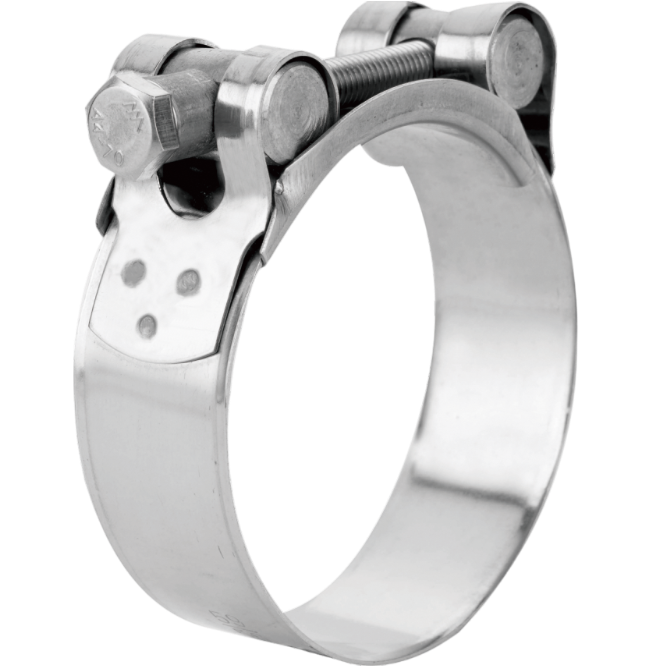
T-bolt hose clamps consist of a sturdy metal band and a bolt for tightening the clamp. This design allows for a uniform clamping force around the hose. Heavy-duty hose clamps, such as T-bolt hose clamps, are made of stainless steel, combining strength and corrosion resistance. These clamps are designed to withstand high-pressure operations and large-diameter hoses.
T-bolt hose clamps perform exceptionally well under harsh conditions. Tests have shown that T-bolt clamps can withstand compressive forces up to 180 inch-pounds of torque. This makes them more reliable than many other types of clamps in high-pressure environments. These heavy-duty hose clamps are widely used in trucks, industrial machinery, and marine equipment.
Note: T-bolt hose clamps are easy to install and maintain. Their strong construction helps prevent leaks in demanding environments.
Where to Use Wire and T-Bolt Clamps
Wire clamps and t-bolt hose clamps serve different needs. The table below shows where each type works best:
| Application Type | Description |
|---|---|
| High Vibration and Medium-Duty | Wire clamps and double wire clamps are good for truck air intake systems, off-road equipment, and industrial machinery. |
| High-Pressure and Heavy-Duty | T-bolt hose clamps are ideal for radiator systems, hydraulic lines, and large-diameter hoses in factories and marine settings. |
T-bolt hose clamps provide uniform clamping force, reduce leakage, and ensure a secure hose connection. Their stainless steel construction is rust-resistant and durable. Quick-release hose clamps are also helpful in situations requiring rapid disassembly, but T-bolt hose clamps remain the preferred choice for heavy-duty hoses in high-pressure environments.
Wire clamps are suitable for quick hose repair and connection. However, T-bolt hose clamps perform better in harsh working environments due to their strength and reliability. Ear-type hose clamps and double wire clamps are also useful in some applications, but T-bolt hose clamps and double wire clamps meet the needs of almost all light and heavy-duty operations.
Comparing Different Types of Hose Clamps
Main Differences
There are clear differences between hose clamp types. Each type has its own design and material. They also have different ways to put on and take off. The table below shows these differences:
| Clamp Type | Design Features | Material | Installation Method | Maintenance Needs | Application Features |
|---|---|---|---|---|---|
| Screw Clamps | Band with built-in screw for tightening | Metal | Tighten or loosen by turning the screw | Check tightness sometimes | Adjustable, fits many hose sizes |
| Constant-Tension Clamps | Spring holds clamp tight, no screw | Metal | Press ends together to install | Keeps tension, no need for adjustment | Handles vibration and temperature changes |
| Wire Clamps | Round wire loop, simple design | Round wire | Place over hose, secure with screw and captive nut | Simple, may not last as long | Expands with pressure, easy to install |
Screw clamps let you change how tight they are. Constant-tension clamps keep hoses tight when it gets hot or cold. Wire clamps are quick to put on and work well with bendy hoses. People pick different hose clamps for each job. They think about the hose, the job, and how easy it is to check the clamp.
Note: Metal clamps last longer than most others. But all clamps should be checked if there is a lot of shaking or water.
Choosing the Right Hoist
Several factors need to be considered when choosing the right hoist. You should know the hose size and the pressure within your system. You should also consider how often you will remove the hoist. The table below provides a brief guide:
| Type of Hose Clamp | Features | Best Use Cases |
|---|---|---|
| Screw Clamps | Adjustable, strong hold | Cars, kitchens, gardens |
| Constant-Tension Clamps | Handles vibration, stays tight | Engines, HVAC, machines |
| Wire Clamps | Fast install, flexible fit | Plumbing, light-duty hoses |
You should also consider the location where the clamps will be used. Metal clamps are less prone to rust than plastic clamps. Plastic clamps are easily cracked in sunlight. Shaking can cause any clamp to loosen, so check frequently to prevent leaks.
Hengwei Hose Clamp Co., Ltd. offers a wide selection of hose clamps. Their team can customize clamps to your needs. People trust Hengwei’s high-quality products and fast delivery service. Choosing the right clamps ensures safe and reliable operation.
How to Choose the Right Hose Clamp
Based on Pressure
To pick the right hose clamp, first know the system pressure. Each clamp type has a set pressure rating. If you use the wrong clamp, leaks or damage can happen. The table below shows pressure ratings for common clamp types:
| Clamp Type | Pressure Rating | Clamping Range | Band Width |
|---|---|---|---|
| Constant Tension Band Hose Clamps | 30 P.S.I. | 22.0mm – 26.0mm (7/8″ – 1″) | 15mm (19/32″) |
| Constant Tension Band Hose Clamps | 30 P.S.I. | 37.2mm – 44.5mm (1-15/32″ – 1-3/4″) | 15mm (19/32″) |
Screw clamps and adjustable hose clamps are good for medium pressure. Constant-tension clamps work well with steady pressure and temperature changes. Wire clamps are best for low-pressure jobs. Always check the clamp’s pressure rating before you put it on.
Some common mistakes include: using the same size clamps for various jobs, overtightening, or incorrectly positioning the clamps. Always measure the hose and fitting dimensions first. Fit the clamp onto the fitting, not just the hose. When replacing a hose, use a new clamp for the best seal.
Depending on the Hose Type
When selecting clamps, the type and material of the hose are also important. Some hoses require special clamps to prevent damage or leaks. The table below lists the clamp materials suitable for different hose types:
| Hose Clamp Type | Material Compatibility | Application Features |
|---|---|---|
| Stainless Steel | Excellent corrosion resistance | Good for most uses, including outdoor and marine |
| Zinc-Plated Steel | Good corrosion resistance | Cost-effective for many environments |
| Nylon | Non-conductive | Best for lightweight or electrical applications |
| Specialty Alloys | Extreme resistance | Used in harsh chemical or high-temperature areas |
Stainless steel hose clamps offer a longer service life for outdoor or humid environments. Special alloy clamps may be required in salt spray environments or chemical plants. Adjustable hose clamps are suitable for hoses whose size or shape may change.
Choosing the right hose clamp ensures safe and reliable operation. Hengwei Hose Clamps Co., Ltd. offers a variety of options, including adjustable hose clamps, to meet your diverse needs.
Hose clamps are mainly divided into three types: screw clamps, constant tension clamps, and wire clamps, each with its specific application. Screw clamps provide a strong fixing force; constant tension clamps can automatically adjust according to temperature changes; and wire clamps are suitable for quick maintenance. Choosing the right clamp can ensure a safe and leak-free system.
FAQ
What are the main uses of hose clamps?
Hose clamps are used to secure hoses to fittings. They prevent leaks and ensure a secure connection. Hose clamps are used in cars, kitchens, and gardens.
How to choose the right hose clamp?
The appropriate clamp is chosen based on the hose size, pressure, and location of use. Generally, screw clamps are used for secure fastening, constant tension clamps are used to handle temperature changes, and wire clamps are suitable for quick installation.
Can Hengwei Hose Clamp Co., Ltd. customize hose clamps?
Yes. Hengwei Hose Clamp Co., Ltd. provides standard and customized hose clamp solutions. Their team will help customers choose the right clamps for various applications.
Can hose clamps be reused?
Most metal hose clamps can be reused unless damaged. Before reuse, check the clamps for rust or wear.
What tools are needed to install hose clamps?
Most people use a screwdriver or small wrench to tighten screw clamps. Spring clips and wire clips may require pliers. Be sure to follow the instructions for use for each type of clamp.