






Many people find that ordinary hose clamps tend to loosen gradually over time, and this common mechanical problem stems from multiple key factors. Excessive compression of the rubber under the clamp will trigger fluid leaks, while frequent temperature fluctuations make materials expand and contract continuously, naturally weakening the clamp’s fastening force. In addition, long-term mechanical vibrations can slowly rotate the clamp screw, further loosening the hose clamp and lowering overall tightness. To effectively avoid these annoying issues, choosing premium-grade hose clamps like Hengwei is a reliable solution, as our high-quality hose clamps are professionally engineered to deliver excellent resistance to loosening, leakage, temperature changes and vibration for long-lasting, stable fastening performance.
Key Takeaways
- Hose clamps can loosen due to compression, temperature changes, and vibration. Regular inspection helps detect problems early.
- Choose the right hose clamps. Constant tension clamps and spring clamps are less prone to loosening.
- Proper installation of the clamps is crucial. Tighten slowly and use the appropriate force. This will prevent damage to the hose.
- Regularly inspect the hose clamps for wear. Look for rust or cracks. Early detection of problems can prevent leaks, saving you money.
- Using high-quality clamps like Hengwei can extend their lifespan and improve performance. This is especially important when dealing with challenging problems.
Why Does My Hose Clamp Keep Loosening?
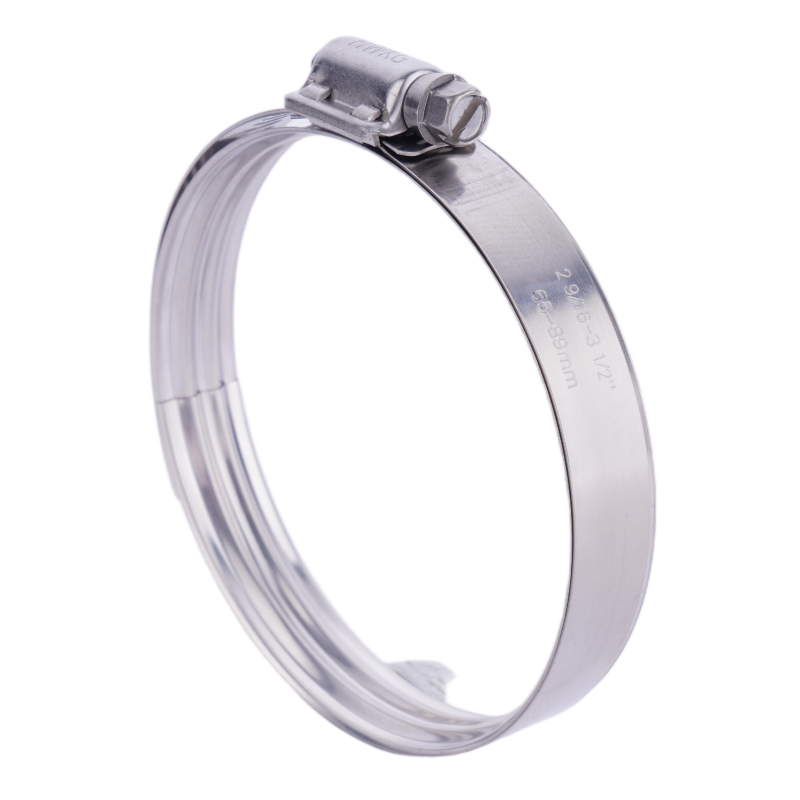
Material Compression and Cold Flow
Many people ask if hose clamps will loosen over time. The answer is yes. A major reason is material compression and so-called cold flow. When a hose clamp is clamped onto a rubber hose, the rubber slowly deforms. This is more pronounced if the clamp remains tight for an extended period. The rubber may shrink, causing the hose clamp to loosen. Cold weather exacerbates this. The hose shrinks, and the clamp may not be able to maintain its tightness. This can lead to leaks.
The table below shows how cold flow affects hose clamps:
| Evidence Description | Explanation |
|---|---|
| Cold flow leads to hose contraction in cold temperatures | This makes screw-tightened clamps loose, which can let leaks start. |
| Spring clamps adapt to hose changes | Spring clamps can change with the hose, so they stay tight and stop leaks. |
Regularly checking hose clamps helps detect problems early. People should look for signs of loosening in hose clamps, especially after the weather gets cold.
Temperature Changes and Thermal Cycling
Temperature changes are one of the main causes of hose clamp failure. When the temperature rises, objects expand; when the temperature drops, objects contract. This repeated change causes hose clamps to loosen. As the hose size changes, the clamps may lose their grip. This is called thermal cycling.
Constant tension clamps use springs to maintain pressure, even if the hose shape changes. People should check hose clamps after drastic temperature changes to prevent leaks.
Vibration and Movement
Vibration is another cause of hose clamp failure. Machines, cars, and water pumps all shake and move. This shaking can cause screws to turn or clamps to shift. Over time, the hose clamps will loosen, eventually leading to leaks.
Saddle clamps help prevent problems caused by vibration. They hold the hose in place, reducing the risk of leaks or hose detachment. It is important to check hose clamps for movement or damage caused by vibration.
Incorrect Installation and Overtightening
Many hose clamp problems originate during installation. People often ask why hose clamps always loosen after installation. The answer is usually an error during tightening or excessive force.
Overtightening can damage the hose and cause leaks. Pressure changes can reduce the clamp’s strength. At high temperatures, metal becomes brittle and breaks. Appropriate force is required; excessive force can cut the hose. Both overtightening and undertightening can cause leaks when pressure changes occur.
When installing hose clamps, always use the appropriate force. Do not overtighten, and always check that the clamps are tightened straight. Regularly checking the hose clamps helps to detect and resolve problems before they worsen.
Preventing Hose Clamp Loosening
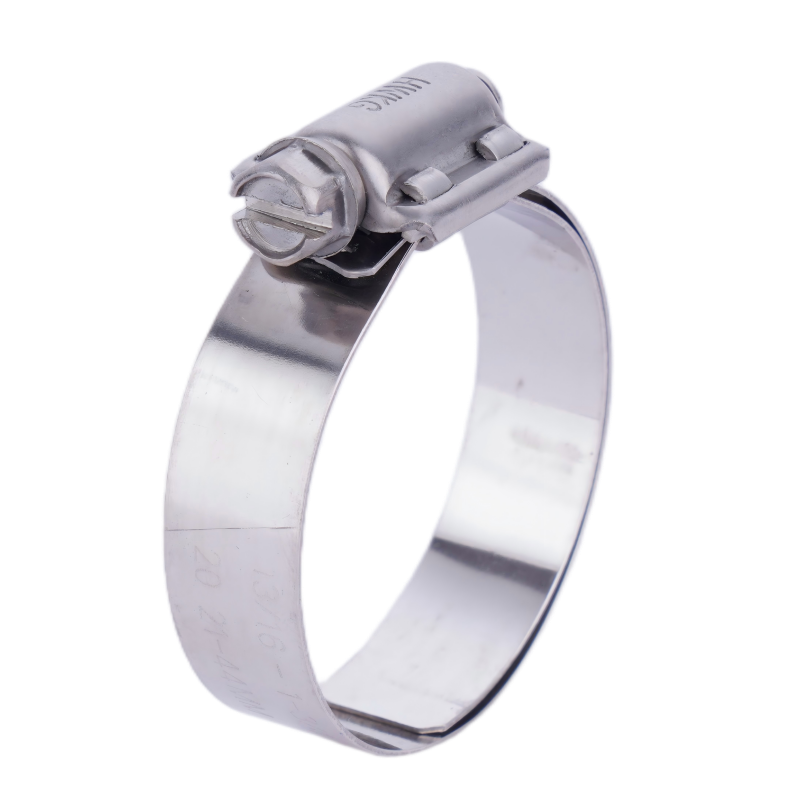
Choosing the Right Hoses Clamp Type
Selecting the right hose clamp for each job helps prevent loosening and leaks. Industry experts recommend using constant tension clamps or lined bands for better performance. These types of clamps can adapt to changes in temperature and pressure, thus maintaining a tight fit. Spring clamps maintain constant pressure and prevent loosening. T-bolt clamps can withstand higher pressures and are suitable for environments with frequent temperature cycles. Worm gear clamps may loosen over time due to vibration or thermal expansion and contraction.
| Clamp Type | Performance Regarding Loosening |
|---|---|
| Worm Gear | Prone to loosening due to thermal expansion and vibration |
| Spring | Maintains constant tension, less likely to loosen |
| T-bolt | Better resistance to loosening than worm gear clamps |
When installing hose clamps, always ensure that their diameter matches the hose diameter and check that their width is sufficient. Clamps with safety features help prevent overtightening. Using high-quality hose clamps reduces the risk of leaks and increases durability.
Proper Installation Tips
Proper installation is key to preventing leaks and ensuring the hose clamps are secure. Even the best clamps will fail if improperly installed. Please follow these steps to use hose clamps correctly:
- Choose the right clamp for the hose assembly.
- Slide the clamp over the hose before connecting it to the fitting.
- Position the clamp on the thickest part of the fitting, at least 1/4 inch from the end.
- Orient the screw or bolt for easy access.
- Tighten a hose clamp gradually, using several partial turns.
- For worm gear clamps, tighten until solid resistance is felt, then add 1/4 to 1/2 turn more.
- Always follow hose clamp torque specs for T-bolt clamps.
Operators should avoid using flexible silicone hoses with sharp clamps. Rechecking the torque after the initial heat cycle helps prevent cold flow leaks. Following the hose clamp torque guide ensures the clamps are secure and won’t damage the hose.
Regular Maintenance
Regular maintenance ensures proper hose clamp function and prevents leaks. Operators should inspect hose clamps and hoses at least twice a year. More frequent inspections are crucial in high-vibration or high-pressure environments. Check for signs of loosening, cracks, or rust. If necessary, retighten the clamps to the correct torque. In harsh environments, using constant-tension hose clamps or clamps with locking mechanisms enhances safety.
When using hose clamps in high-temperature or high-vibration environments, choose clamps with springs or locking systems. Silicone clamps are heat-resistant, withstanding temperatures from -65°F to 600°F. These steps help prevent loosening and ensure a secure connection.
When to Replace or Upgrade Your Clamp
Signs of Wear or Damage
A hose clamp can stop working if it gets worn out or damaged. Checking your hose clamp often helps stop leaks and bigger problems. People should watch for these warning signs:
- Rust or brown spots on the clamp
- Bent or twisted parts on the clamp or hose
- Screws that look flat or gears that are stripped
- Hose looks squished under the clamp
- Green or white spots where the clamp connects
- Water or other fluid leaking at the hose end
- Cracks, rust, or small holes on the clamp
- Screws that are stuck or will not turn
- Strange sounds or pressure drops near the clamp
Early detection of these problems means you can resolve them quickly. Regularly inspecting the clamps is crucial, especially for frequent use or in environments with high or low temperatures or vibrations. Addressing issues promptly prevents further problems and ensures your hose clamps are always in good working order.
Advantages of Upgrading to Premium Clamps
Using better hose clamps offers numerous benefits. Hengwei hose clamps are ideal for many jobs. These clamps are made from high-quality materials that are resistant to rust and rapid wear. The stainless steel construction maintains the clamp’s tightness even in harsh environments. This extends the clamp’s lifespan and ensures hose safety.
The table below illustrates the advantages of premium hose clamps:
| Feature | Benefit |
|---|---|
| Durability | Works well in hot, cold, or wet places |
| Vibration Resistance | Stays tight even when things shake |
| Enhanced Design | Thick metal and strong welds stop water damage |
| Customization | Special shapes fit different jobs |
Special types of hose clamps can meet your various needs, such as stackable or padded types. Hengwei hose clamps are available in a variety of options suitable for outdoor, kitchen, or automotive applications. If a clamp becomes cracked, bent, or loose, it should be replaced immediately. Properly tightening clamps helps prevent future leaks. Using high-quality hose clamps like Hengwei ensures your hoses are safe and leak-free.
Experts point out that there are many reasons why hose clamps may loosen. The main reasons include improper size, rust, using the wrong clamp, and leaks caused by vibration or pressure changes. The table below explains these reasons:
| Reason | Description |
|---|---|
| Undersized or Overtightened | Clamps do not seal or can hurt hoses. |
| Corrosion | Clamps break down in tough places. |
| Wrong Clamp Type | The clamp does not fit what the system needs. |
| Leaks Under Vibration | The wrong size clamp can make leaks happen. |
Choosing the right hose clamps, installing them correctly, and checking them regularly can prevent clamps from loosening. Studies show that proper use of clamps and frequent checks help prevent problems. Experts recommend checking clamp dimensions, using appropriate tools, and replacing old clamps when necessary. Regularly checking clamps ensures they are in good working order and prevents leaks.
FAQ
Why do hose clamps loosen after installation?
Loosening of hose clamps can be caused by pressure or deformation of the hose material. Temperature changes and vibration can also cause clamps to loosen. The clamps should be inspected after installation to detect any signs of loosening early.
How often should hose clamps be inspected?
Experts recommend inspecting hose clamps every six months. In areas with significant vibration or temperature variations, clamps should be inspected more frequently. Regular inspection helps prevent leaks.
Can overtightening damage the hose?
Yes. Overtightening can flatten or cut the hose. This damage can lead to leaks and weaken the connection. Torque guidelines should be followed to avoid excessive force.
What are the best clamps for high-temperature areas?
Spring clamps or constant tension clamps perform best in high-temperature areas. These clamps adjust to changes in hose size and maintain a tight seal. Hengwei hose clamps offer a durable option for these environments.