

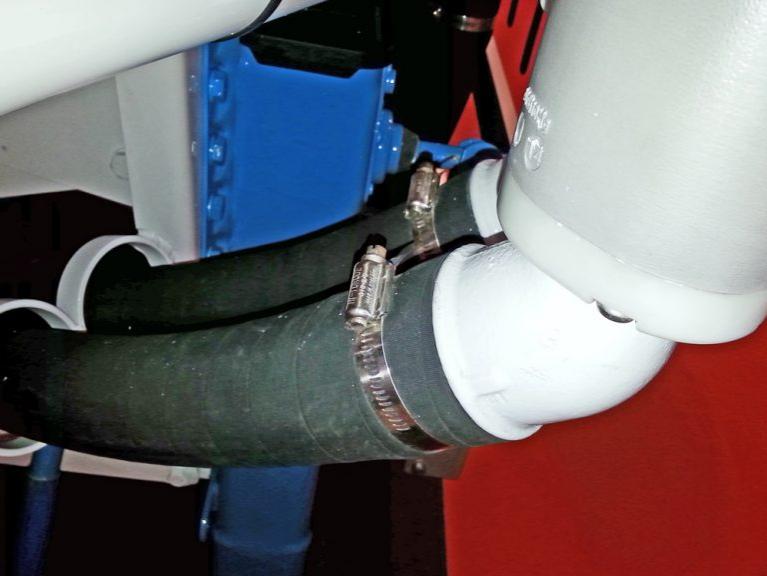
The main differences between German and American 软管夹 lie in their manufacturing process, materials, and usage. German hose clamps conform to the DIN 3017 standard, featuring a smooth, non-porous clamp surface that helps protect the hose and withstand high pressure. American hose clamps conform to the SAE J1508 standard, with perforated clamp surfaces and a simple worm gear drive mechanism, suitable for most worm-drive-clamp applications. German hose clamps are typically made of high-strength stainless steel, while American hose clamps may be made of stainless steel or galvanized steel. German clamps have locking components, providing a better seal and making them more suitable for high-intensity operations.
主要收获
- German hose clamps have a smooth clamp surface with rolled edges, making them suitable for hoses and capable of operating normally under high pressure.
- American hose clamps have perforated clamp surfaces for easy tightening and are versatile.
- Choosing the right hose clamp depends on several factors, one of which is the operating pressure. You should also check the temperature. The hose material is also important. This helps ensure safe and reliable operation.
- German-made hose clamps are rust-resistant and offer superior sealing compared to other brands. Therefore, they are ideal for applications such as automotive engines and are also suitable for piping systems.
- American-style hose clamps are easy to install and remove, making them suitable for everyday household tasks and construction projects.
American Hose Clamp Overview
Design and Structure
American-style hose clamps conform to SAE J1508 standards. They use a worm gear mechanism to tighten the clamp band. The clamp band has screw holes; tightening the screws tightens the band. Most clamp bands are thin and flexible, making installation easy. Some clamp bands use solid bands with raised threads for added strength. T-bolt clamps are another type. They feature wider bands and machine screws for applying greater pressure. The clamp’s built-in housing makes it more robust and helps prevent leaks in cars and factories.
Materials and Sizes
Hose clamps are made from a variety of materials. The most common materials include low-carbon steel, stainless steel, brass, copper, bronze, and nylon. Each material has its advantages. Stainless steel is rust-resistant and suitable for harsh environments. Low-carbon steel is cheaper but requires a coating for greater durability. Nylon is lightweight and rust-resistant, making it suitable for special applications.
| 材料 | 说明 |
|---|---|
| Mild Carbon Steel | Cheap but can rust; may need a coating. |
| 不锈钢 | Does not rust, especially grade 316, good for hard jobs. |
| 黄铜 | Used in some clamps, does not rust easily. |
| 铜 | Not used much, but found in some jobs. |
| Bronze | Like brass, used for certain jobs. |
| Nylon | Light and does not rust, used in special places. |
Hose clamp sizes depend on their opening width. SAE sizes are not metric sizes and are for US standard hoses. Some companies can customize sizes to your needs.
Locking Mechanism
Clamps with holes help to lock the clamp in place. A screw is inserted into the hole, and the clamp is tightened. This distributes pressure and creates a good seal. The built-in housing makes tightening or loosening the clamps easier. High-quality materials make the clamps more durable and leak-proof even with frequent use.
常见应用
American hose clamps have a wide range of applications. In automobiles, they are used to secure coolant hoses and fuel lines. In construction, they are used to secure concrete, water pumps, and fire hoses. In homes, they are used to secure garden hoses, pool pipes, and other piping. You can choose different materials and sizes depending on the application. Brands like HWKG and Hengwei offer a variety of options to meet diverse needs. The main difference between American and German hose clamps lies in their manufacturing and usage methods, so choosing the right clamp for your application is crucial.
German Hose Clamps Explained
Band Design and Construction
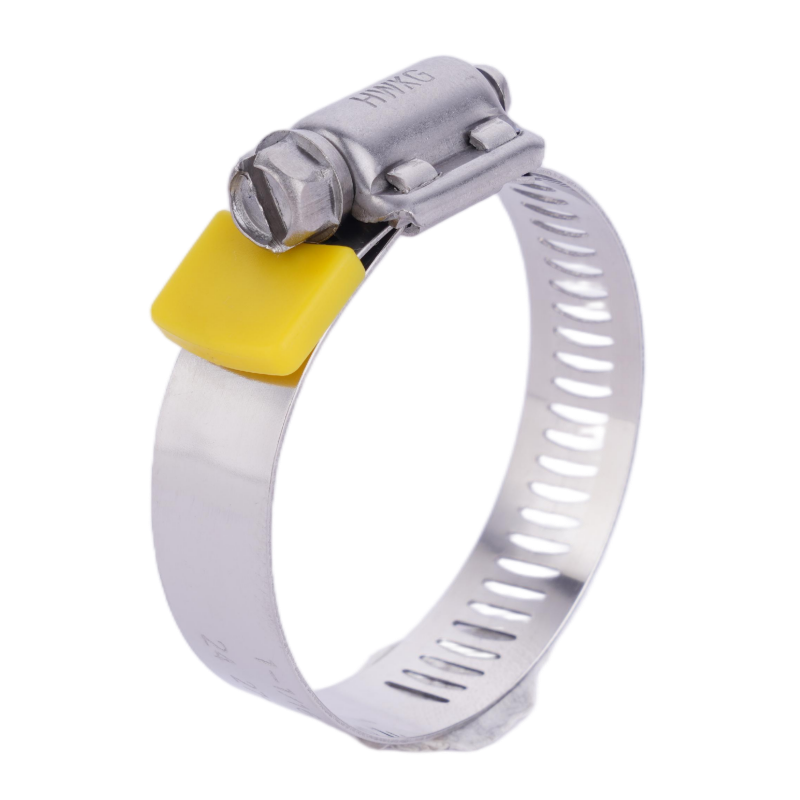
German hose clamps strictly adhere to standards such as DIN3017 and SAE J1508. The clamp surface is smooth and non-porous, helping to protect the hose from damage. The clamps feature an arc shape and rolled edges to prevent damage to the hose when tightened. The steel strip width is typically 9 mm or 12 mm. The screw head is small, usually 7 mm, making tightening easy in confined spaces. HWKG’s German-style hose clamps utilize these features to achieve a strong yet gentle fixation.
Materials and Variants
German-style hose clamps are made of stainless steel or carbon steel. Stainless steel does not rust and is heat-resistant. HWKG produces various types of clamps, such as welded, modular, and butterfly clamps. Welded clamps offer higher strength. Modular clamps are easy to replace. Butterfly clamps can be installed by hand, ideal for quick work in homes or gardens.
Locking and Spring Mechanism
German-style hose clamps use a worm gear for tightening. Unlike American-style hose clamps, they feature threads on the steel band. This design allows for a stronger tightening and better sealing. The clamp distributes pressure, reducing the likelihood of leaks. Some clamps also include a spring to maintain tension even when the hose thickens or thins.
Note: German-style hose clamps offer a tighter fit and a better seal. Their design facilitates precise tightening, which is crucial for high-performance applications.
Typical Uses
German-style hose clamps are suitable for applications requiring careful handling, such as automotive engines, machinery, and piping systems. The smooth clamp band and crimped design protect the hose. HWKG’s German-style hose clamps are widely used in construction, engineering, and home repair. When safety and reliability are paramount, German-style clamps are the best choice.
German vs American Hose Clamps Comparison
Structure and Band Differences
German-style hose clamps have a smooth, hole-free clamp band. The crimped design protects the hose. Smooth straps prevent cuts and damage. The rolled edge design helps prevent the strap from damaging the hose. German-style clamps use small screw heads, which is very practical in tight spaces.
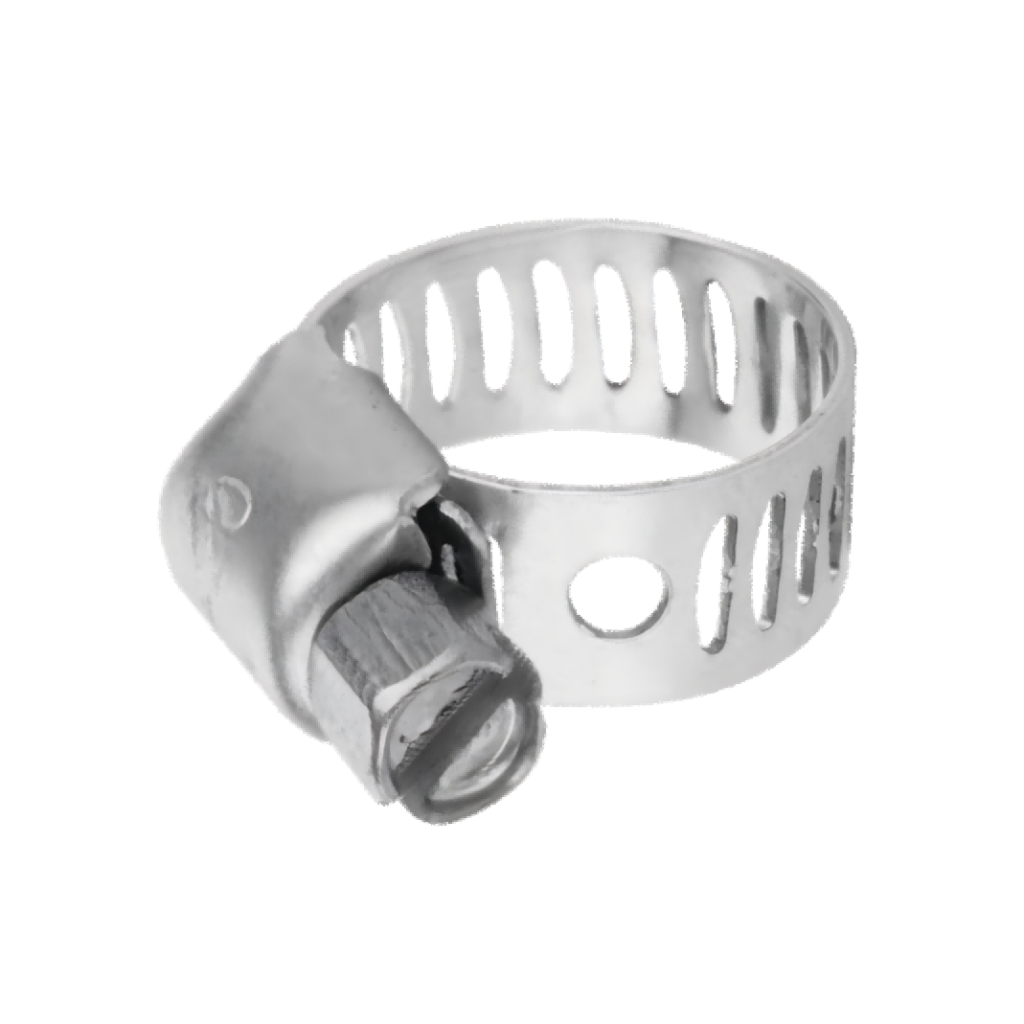
American-style hose clamps have holes in the strap; screws are inserted into these holes. Tightening the screws tightens the strap. The strap is flat and may have raised threads. The raised threads help with a better grip. The clamp’s housing makes it more robust. Some American-style clamps meet Q675 quality standards.
| 特点 | German Hose Clamp (DIN3017) | American Hose Clamp (SAE J1508/Q675) |
|---|---|---|
| Band Design | Smooth, non-perforated | Perforated (through-holes) |
| Edge Design | Rolled, crimped | Flat or slightly raised |
| Screw Head Size | Small (often 7mm) | Larger (varies) |
| 标准 | DIN3017 | SAE J1508, Q675 |
Locking Mechanism and Security
German hose clamps use a worm gear mechanism. The screw moves along the raised threads, distributing pressure and achieving a tight seal. The clamp can be precisely adjusted as needed. Some German clamps include a spring that maintains tension when the hose thickens or thins.
American hose clamps also use a worm gear mechanism. The screw is inserted into a hole in the clamp band, and turning the screw tightens the clamp band. This locking system is suitable for most applications. Sometimes, holes in the clamp can cause leaks. T-bolt clamps use bolts and nuts for added strength.
Tip: German hose clamps offer better sealing on hoses.
Durability and Corrosion Resistance
Durability and rust resistance are crucial. American hose clamps are prone to rusting in salt water. German stainless steel hose clamps, however, are rust-resistant. Tests show that German clamps maintain strength and rust resistance even in salt water. The ABA clamp is a German clamp that performed exceptionally well in tests.
- American hose clamps are prone to rusting in salt water.
- German stainless steel hose clamps have a longer service life.
- German hose clamps maintain their sealing performance even in harsh environments.
Application Suitability
People choose the appropriate hose clamp based on their specific application requirements. German hose clamps are best suited for high-pressure or high-sealing applications. The smooth clamp band and robust locking mechanism effectively protect the hose and prevent leaks. These clamps are widely used in safety-critical applications such as engines, ships, and piping systems.
American hose clamps have a wide range of applications. They are widely used in automobiles, homes, and construction sites. T-bolt clamps and constant tension clamps can withstand high pressure in machinery. Quick-release clamps allow for rapid component replacement.
- Stainless steel worm gear hose clamps are suitable for high-pressure environments.
- T-bolt clamps provide uniform pressure and firmly secure the hose.
- Constant tension clamps maintain a seal even in high or low temperature environments.
Note: Please select the appropriate hose clamp according to your work. German-made hose clamps are more suitable for high-intensity operations and offer higher safety. American-made hose clamps are easier to use in daily life.
选择合适的软管夹
Factors to Consider
Choosing the best hose clamp depends on several important factors. Operating pressure, temperature variations, sealing requirements, hose material, corrosion resistance, and ease of installation are all crucial. The table below lists how each factor affects hose clamp selection and which types of clamps perform best:
| Factors | Influencing Results | Recommended hose clamp types |
|---|---|---|
| Working pressure | Higher pressures need stronger clamping force | T-bolt, heavy-duty thread-driven |
| Temperature changes | Hoses may expand or shrink | Spring-loaded clamps |
| Sealing requirements | Some jobs need a perfect seal to prevent leaks | Single-ear/double-ear stepless |
| Hose material | Stiff or soft hoses need different types of clamps | American/German-style |
| Corrosion resistance | Water, chemicals, or salt can cause rust | Stainless steel (304, 316) |
| 易于安装 | Frequent removal or reuse needs simple clamps | Thread-driven, butterfly (tool-free) |
When to Use American Hose Clamps
American hose clamps are designed according to SAE J1508 standards. These clamps are suitable for a variety of applications. They are frequently used in automobiles, homes, and construction sites where hoses need to be secured. To select the right hose clamp, users should:
- Check the hose material and select the appropriate steel grade.
- Measure the hose diameter to ensure the correct size.
- Consider the operating environment, such as high-temperature or saltwater environments.
- Choose a reputable brand to avoid premature damage.
American-style hose clamps are suitable for hoses of various sizes and materials. They are easy to install and remove, making them ideal for quick hose replacements.
When to Use German Hose Clamps
German-style hose clamps conform to DIN3017, Q675, and SAE J1508 standards. These clamps feature smooth bands and rolled edges to protect the hose. They are used in applications where safety and performance are paramount. German-style clamps are suitable for automotive, machinery, and piping systems. They are rust-resistant and can be used for extended periods even in harsh conditions. Tool-free clamps, such as German-style butterfly clamps, allow for quick and easy installation without tools. This feature saves time and helps prevent injury. German-style hose clamps are the best choice for high-pressure, high-performance, or demanding applications.
Tip: For best results, always consult relevant standards and select the appropriate clamp for your application.
Checklist to choose the right type of hose clamp:
- Determine the pipe material and diameter.
- Determine the application environment (indoor, outdoor, humid, or high-vibration).
- Calculate load and pressure requirements.
- Select the appropriate clamp type for the application.
- Ensure the clamp fits snugly to the mounting surface.
- If necessary, check relevant certifications.
- Avoid selecting clamps that are not sized correctly or have rough surfaces.
German-style hose clamps conform to DIN3017, Q675, and SAE J1508 standards. American-style hose clamps conform to SAE J1508 standard. The clamps have a smooth surface and rolled edges. These clamps are suitable for hoses. American-style clamps have perforated straps and are suitable for a variety of applications. Selecting the right clamp helps ensure safe and reliable operation.
- Consider the location where the clamps will be used and the actual condition of the hose.
- Choose the appropriate size to prevent hose leaks.
- Select clamps suitable for your work, such as those that are rust-resistant.
- Install the clamps correctly to ensure equipment safety and extend the hose’s lifespan.
常见问题
What standards do US hose clamps follow?
US hose clamps typically follow the SAE J1508 standard. This standard specifies rules for design, strength, and performance, helping users understand the optimal performance of clamps in various applications.
What standards do German hose clamps follow?
German hose clamps conform to DIN 3017, Q675, and parts of the SAE J1508 standard. DIN 3017 focuses on safety and smooth clamp tape. Q675 adds additional quality checks. These standards help protect the hose and ensure a strong, secure connection.
What is the difference between DIN 3017 and SAE J1508 standards?
DIN 3017 requires clamp tape to be smooth, without holes, and with rolled edges to protect the hose. SAE J1508 allows the use of perforated clamp tape and focuses on overall performance. German clamps typically comply with both standards, but DIN 3017 provides an additional layer of safety for the hose.
When should you use butterfly hose clamps?
Butterfly hose clamps are best suited for situations requiring quick, tool-free installation. They are commonly used to secure garden hoses, perform home repairs, or secure gas lines. The plastic handles allow users to tighten or loosen the clamps by hand.
Are German-made or American-made hose clamps better suited for high-pressure work?
German-made hose clamps are generally better suited for high-pressure or demanding applications. Their smooth clamp straps and strong locking force ensure hose safety and a secure seal. American-made hose clamps are versatile, but may not provide adequate protection for hoses under high pressure.