




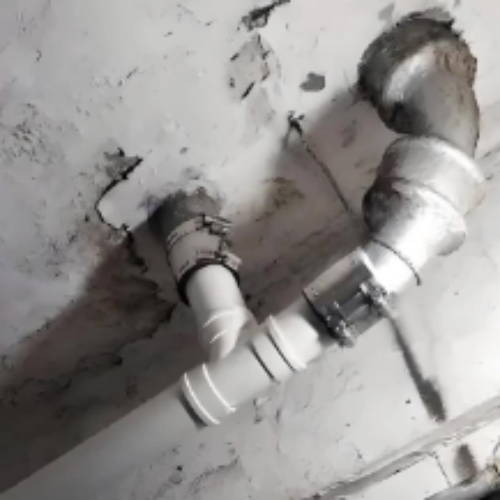
What is a worm hose clamp?
A worm hose clamp is a circular metal band fitted with a worm gear screw that tightens around a hose to form a uniform, leak-proof

A worm hose clamp is a circular metal band fitted with a worm gear screw that tightens around a hose to form a uniform, leak-proof
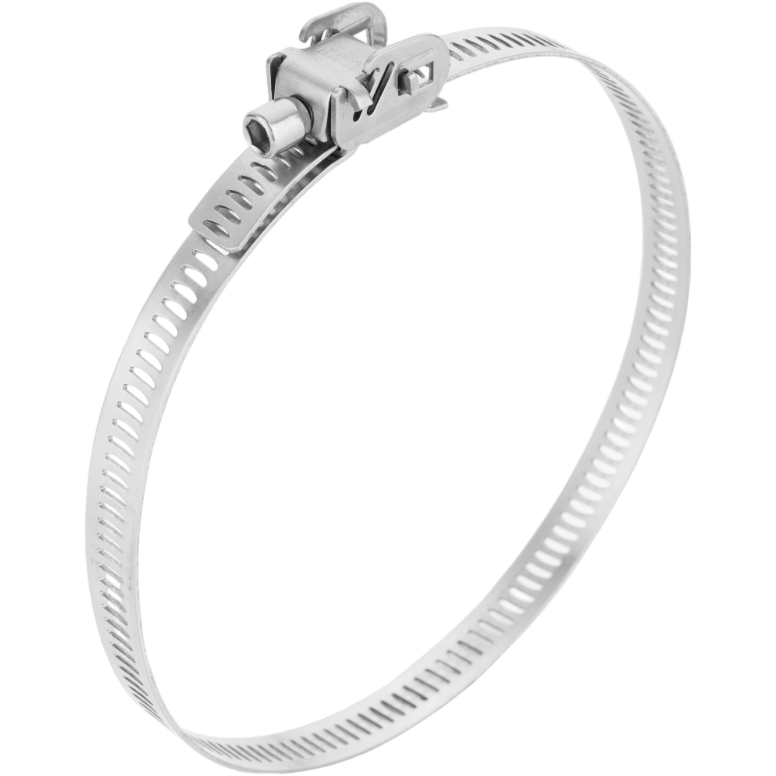
A quick release hose clamp tightens or loosens a metal band around a hose without tools. These quick release hose clamps use a spring-loaded lever
The key differences between constant tension clamps and worm gear clamps come down to one main point. Constant tension clamps adjust on their own as

T bolt clamps outperform worm drive clamps in demanding applications where vibration and movement are significant concerns. Worm gear clamps remain the go-to option for
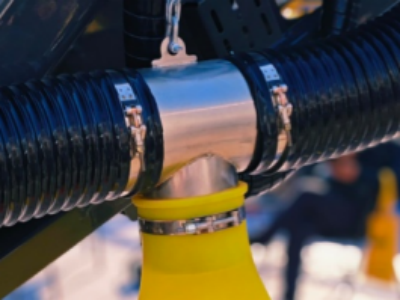
A T-bolt clamp is a strong fastener that uses a T-shaped bolt to hold hoses and pipes very tightly. They are a tough option compared to regular worm

Hose clamps play a key role in cars and industrial systems. These small metal rings hold hoses that carry coolant, fuel, and hydraulic fluid under

A worm clamp is a metal band that a screw tightens. The screw fits into slotted threads. It seals hoses onto fittings. Turning the screw pulls the
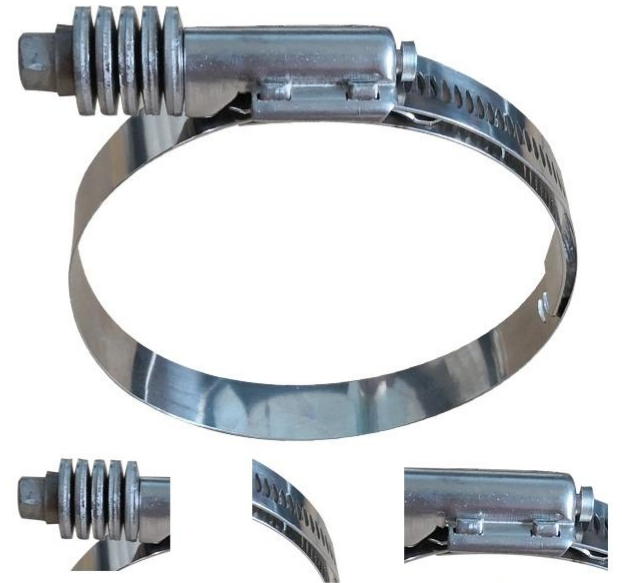
You can reuse constant tension clamps, but only under strict conditions and after a careful inspection. A driver faces a choice between saving money and