




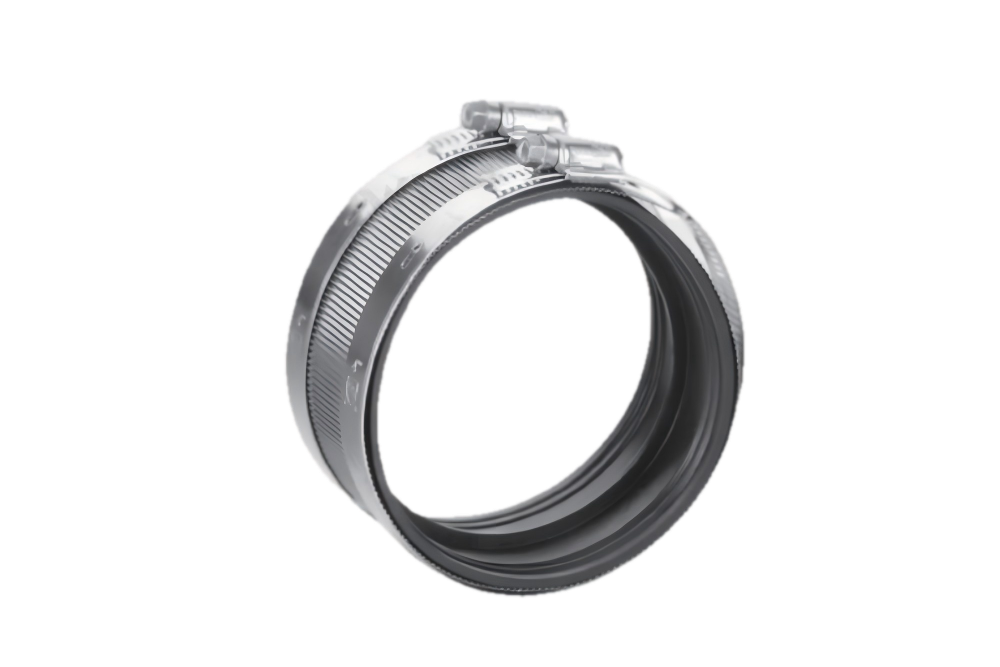
Can I use a no hub coupling underground?
No‑hub couplings provide a popular joining method for cast iron DWV piping. A frequent question among plumbers, builders and property owners is whether these couplings

No‑hub couplings provide a popular joining method for cast iron DWV piping. A frequent question among plumbers, builders and property owners is whether these couplings
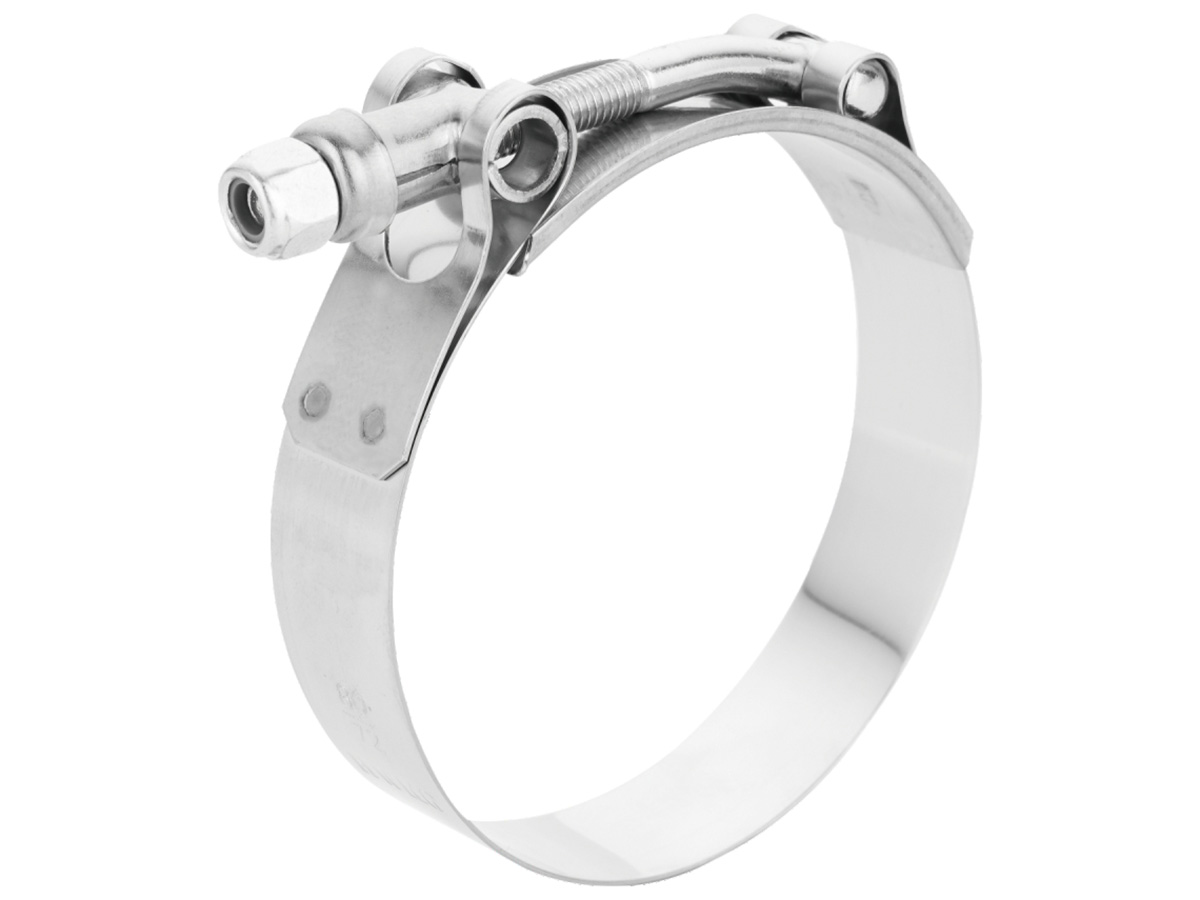
T-bolt clamps are widely adopted across automotive, marine, agricultural, industrial fluid transmission and exhaust systems for reliable, high-integrity hose connection solutions. Compared with conventional worm

A band clamp is a circular fastening device consisting of a flexible metal band and a mechanical tightening mechanism — typically a screw, bolt, or

Most hose clamps have a pressure rating between 50 and 250 PSI. The specific pressure rating depends on the type and quality of the clamp. Hengwei uses
A rubber clamp is a versatile fastening tool designed to secure and stabilize components within a system. By combining a protective, cushioning rubber sleeve with a high-strength
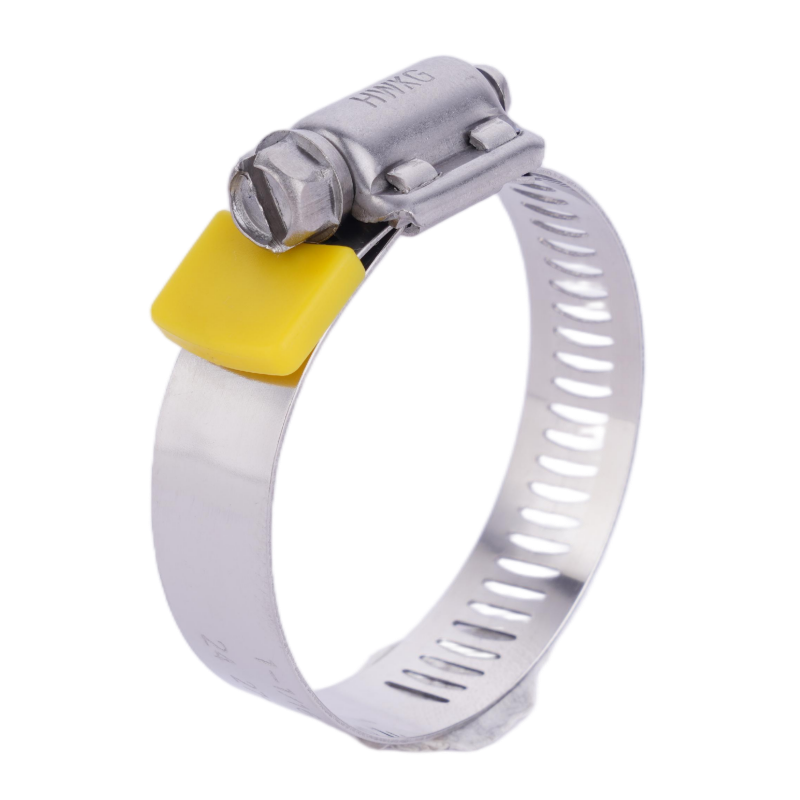
Stainless steel hose clamps do not rust easily in most places. Companies like Hengwei use good materials and careful checks to make them last long.
Shielded no-hub couplings: YES, code-approved for above-ground PVC DWV connections per IPC Section 705.10 and UPC Section 705.5.1. Unshielded couplings: UNDERGROUND ONLY per IPC 705.10
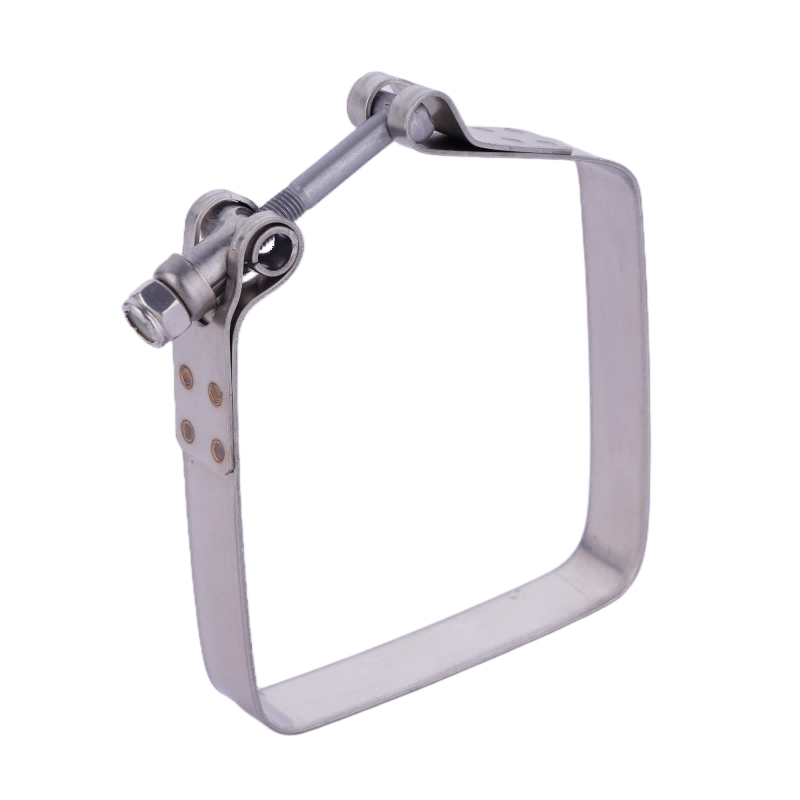
T-bolt hose clamps — also called T-clamps or bolt clamps — are heavy-duty fastening devices designed to create a uniform, high-torque seal around hoses, pipes,

Hose clamps create sealed hose-to-fitting joints to eliminate fluid and gas leakage across automotive, sanitary plumbing and industrial fluid systems. Correct sizing, matched hand tools and