





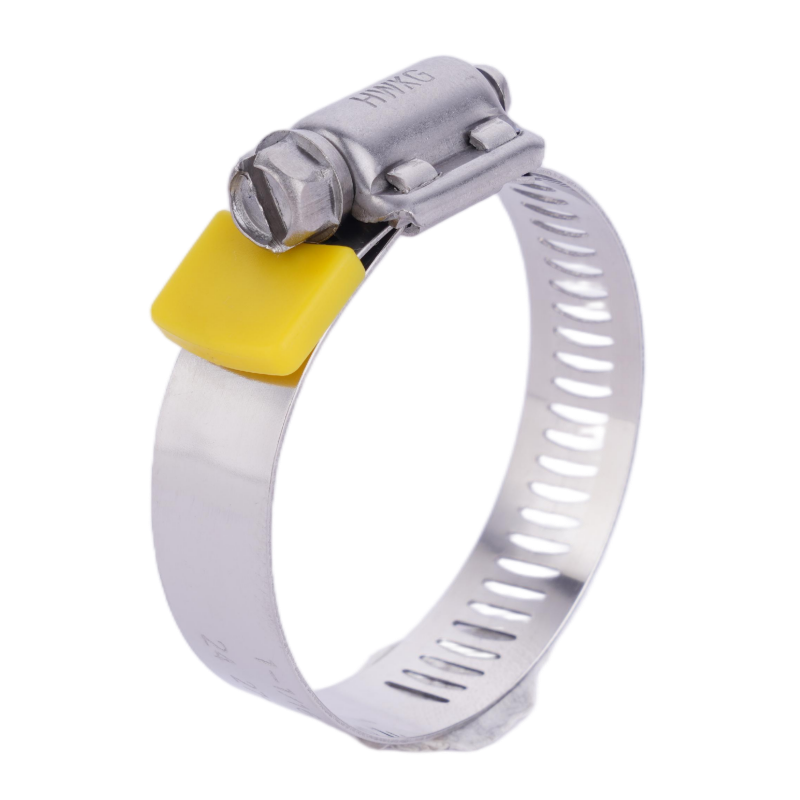
Stainless steel hose clamps do not rust easily in most places. Companies like Hengwei use good materials and careful checks to make them last long. Stopping rust is important in plumbing, cars, and boats because broken clamps can cause leaks and problems.
- Clamps need to resist corrosion very well.
- A strong seal stops leaks and keeps things flowing right.
Key Takeaways
- Pick good stainless steel clamps, like Grade 316. They resist rust better, especially in hard places.
- Check hose clamps often for rust or damage. This helps stop leaks and saves money on repairs.
- Install clamps the right way and take care of them. This makes your hose clamps last longer.
Stainless Steel hose clamps and Corrosion Resistance
Why Stainless Steel Resists Rust
Stainless steel hose clamps are good at fighting rust. They are made from special materials. Stainless steel has iron, carbon, and chromium. Chromium is very important. When air touches the metal, chromium mixes with oxygen. It makes a thin layer you cannot see. This layer keeps water and air away from the metal. Water and air cause rust.
- Stainless steel’s build stops rust and corrosion. This makes it last longer.
- The mix of metals in stainless steel helps make a strong layer.
- This layer can fix itself if it gets scratched or hurt.
It is a common misconception that stainless steel is entirely immune to rust. Its exceptional corrosion resistance actually relies on its Chromium content (typically ≥10.5%$). When exposed to oxygen, chromium reacts to form a microscopic, ultra-dense passive layer (Chromium Oxide film). Though only a few nanometers thick and invisible to the naked eye, this layer acts as a shield that seals the underlying iron away from moisture and air.
Chromium Layer Protection
Chromium in stainless steel makes a shield on the clamp. This shield stops rust. If the shield breaks, it can fix itself when there is oxygen. This special feature makes stainless steel better than other metals. Grade 316 stainless steel is called marine grade. It fights rust even more, especially in salty water or tough places. Stainless steel does not need coatings to stop rust. The shield fixes itself and stays strong.
Rust Factors for Stainless Steel Hose Clamps
Environmental Exposure
Stainless steel hose clamps can have problems in some places. Some areas make rust happen more often. Places near the ocean have a lot of chloride ions. These ions can hurt the protective layer on stainless steel. Warm and wet weather keeps water on the clamp. This can cause rust to start. When drops of seawater dry, they leave salt behind. Salt makes it easier for the clamp to rust.
- Air near the coast has chloride ions that harm the layer.
- Wet and warm weather keeps clamps damp, which causes rust.
- Salt from dried seawater makes rust and corrosion worse.
Pitting corrosion happens if the protective layer gets damaged. Tiny holes can show up on the clamp. This is a bigger problem near the sea where there is more chloride. Crevice corrosion can happen in small spaces where water stays. These spots make it hard for the protective layer to fix itself.
Grade 316 stainless steel is better at fighting these problems. It has molybdenum, which helps protect against salt and chemicals. Many companies pick 316 stainless steel hose clamps for use in the ocean or tough factories.
Material Quality and Screw Rust
The kind of stainless steel used in hose clamps is important. The grade tells how well the clamp fights rust. Grade 304 is good for inside use. Grade 316 works better outside, in the ocean, or with chemicals. Passivation is a special step that makes the protective layer stronger.
In practical applications, users frequently encounter a frustrating scenario: the clamp band remains pristine, yet the screw is heavily corroded. This failure typically stems from two engineering oversights:
1. Galvanic Corrosion (Dissimilar Metals): To cut costs or ease threading, some low-tier clamps combine a 304 stainless steel band with a carbon steel (zinc-plated) or 400-series stainless steel screw. In damp or marine environments, this pairing triggers galvanic corrosion, sacrificing the less noble screw metal.
2. Crevice Corrosion: The tight tolerance where the screw threads engage the band creates a micro-gap. Stagnant moisture traps electrolytes inside this gap, rapidly depleting oxygen. Without oxygen, the passive layer cannot regenerate, leading to severe localized pitting.
Identifying Rust on Hose Clamps
Finding rust early can stop bigger problems. Look for small brown or red spots on the clamp, especially by the screw. These spots can mean the protective layer is gone. Pitting or crevice corrosion looks like tiny holes or rough spots. If the clamp feels weak or the screw looks bad, rust may have started.
Common problems are:
- Clamps outside or in factories get wet and touch chemicals, so they rust.
- Bad materials make rust more likely.
- Rusty clamps get weak and can break.
- Rust can hurt hoses and cause leaks.
If a clamp breaks, it can stop machines or cause problems. Fixing leaks and changing clamps costs more than buying good clamps first.
Note: Check clamps often and fix them if you see rust. Change any clamp with rust to keep things safe and working well.
Preventing hose clamps Rust
Choosing the Right Grade (304 vs. 316)
• Grade 304 (Austenitic 18/8): Standard 18% Cr + 8% Ni. Achieves 240–480 hours in Neutral Salt Spray (NSS) testing. Best for indoor plumbing, automotive engine bays, and general industrial use.
• Grade 316 (Marine Grade): Enhanced with 2–3% Molybdenum. Easily surpasses 720–1000+ hours in NSS testing. Specifically engineered to resist chloride-induced pitting in marine, offshore oil rigs, and chemical processing plants.
Installation and Maintenance Tips
Even premium hardware requires proper handling to maximize its lifespan. Implement these three professional field practices:
• Precise Torque Control: Avoid over-tightening. Excessive installation torque strips the passive layer off the threads and can induce galling (cold welding), locking the mechanism prematurely.
• Proactive Pitting Inspection: Regularly audit clamps for microscopic, reddish-brown pinholes. This early-stage pitting indicates structural compromise before a full breach occurs.
• Sacrificial Barrier Application: In hyper-saline or chemical-heavy zones, apply a thin layer of specialized silicone or anti-corrosion barrier spray post-installation to isolate the tight crevices from environmental moisture.
What to Do If Rust Appears
If you see rust on a hose clamp, check it right away. Change the clamp if it has rust, especially in risky places. Checking and changing clamps often keeps things safe and working.
Stainless steel hose clamps do not rust easily. They work best when made from grades like 304 or 316. Here are some important things to remember:
- Pick clamps made fully from stainless steel to stop rust.
- Check clamps often and install them the right way to keep them from rusting.
FAQ
What makes Hengwei hose clamps different from other manufacturers?
Hengwei uses smart digital tools to check quality. They use machines to make the clamps. Every clamp is checked for good materials and rust resistance before selling or making special orders.
Can stainless steel hose clamps be used in chemical plants?
Yes. Grade 316 stainless steel hose clamps from Hengwei can handle strong chemicals. They work well in factories and other tough places.
How often should a manufacturer replace hose clamps in critical systems?
Manufacturers should look at clamps often. Change any clamp that has rust or is weak. Hengwei says to change clamps every year for important jobs.