





For woodworking assembly and DIY bonding projects, multiple clamping tools can replace standard pipe clamps for stable workpiece fixation. Primary professional alternatives include bar clamps, parallel cabinet clamps, sash clamps, F-clamps and strap clamps. For lightweight, irregular or temporary assembly, users can select auxiliary options: cushion clamps, cam clamps, vacuum bagging systems, elastic bands, rope and utility tape. Hose clamps serve as niche auxiliary fasteners only for curved non-heavy-duty workpieces.
Key Takeaways
- Professional alternatives (bar, parallel, sash clamps) deliver uniform high clamping force for precision woodworking joints and panel assembly.
- Low-cost improvised solutions (elastic bands, rope, tape) apply only to lightweight, temporary bonding to cut project expenses.
- Match clamp rated load, jaw opening width and jaw pad material to workpiece size, thickness and surface finish to avoid deformation or surface damage.
Quick Comparison of Pipe Clamp Alternatives
Price and Value
A full range of clamping hardware covers different budget tiers for woodworking and general DIY assembly. Bar and parallel cabinet clamps carry a mid-to-high price point but offer superior parallel jaw alignment for high-precision cabinet making. Sash clamps and F-clamps deliver balanced cost and performance for daily workshop use. Strap clamps and hose clamps are low-cost niche solutions for curved, irregular workpieces. Custom-sized clamps are available for non-standard engineering projects, while rope and tape act as ultra-low-cost temporary fixing tools for light-duty tasks.
| Clamp Type | Price Range | Value for Money |
|---|---|---|
| Bar Clamps | Medium-High | High |
| Parallel Clamps | High | Excellent |
| Sash Clamps | Medium | Good |
| F-Clamps | Low-Medium | Good |
| Strap Clamps | Low | Good |
| Hose Clamps | Low | Excellent |
| Improvised | Very Low | Varies |
Clamping Strength
Bar clamps and parallel clamps hold things tightly and evenly. Pipe clamps are strong too, but parallel clamps are steadier. Sash clamps are good for big, wide boards. F-clamps are best for lighter jobs. Strap clamps and hose clamps can hold round or odd shapes. Rope or tape is good for special jobs but may not be strong.
Availability
Most clamps are sold in big hardware stores and online. Bar clamps, parallel clamps, sash clamps, f-clamps, and hose clamps are easy to get. You can also buy custom or bulk clamps from some suppliers.
- Bar clamps
- Parallel clamps
- Sash clamps
- F-clamps
- Strap clamps
- Hose clamps
- Improvised solutions
Best Use Cases
Bar clamps and parallel clamps are great for woodworking. Sash clamps help with wide boards. F-clamps are good for many DIY jobs. Strap clamps and hose clamps are used for special tasks like plumbing or car work. Rope or tape can help with special problems.
Tip: Pick your clamp by thinking about your project size, what it is made of, and how strong the clamp needs to be.
Non-Traditional and Improvised Clamps
Hose Clamps as Auxiliary Clamping Tools
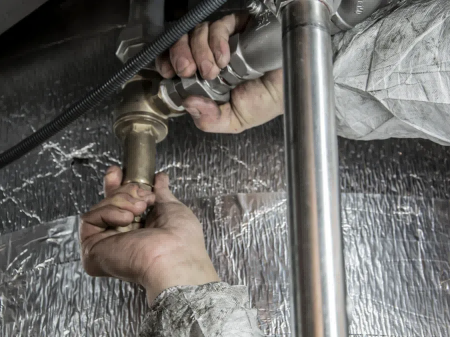
Stainless steel hose clamps serve as auxiliary fasteners for curved or circular workpieces, automotive piping and irrigation assemblies. Certified manufacturers produce worm-drive, T-bolt and custom-size variants with standardized quality inspection. Hose clamps such as Hengwei’s fit lightweight woodworking curved joints, though they lack the high uniform clamping force required for heavy panel gluing.
Rubber Bands and Elastic Solutions
Rubber bands and elastic straps are fast ways to hold small or odd-shaped things. They work best for light jobs or when regular clamps cannot fit. Elastic bands press evenly and fit many shapes. Some woodworkers use parallel clamps for big pieces. Rubber bands are better for small, gentle jobs. This way is cheap and saves time when putting things together.
Rope, Tape, and Ratchet Straps
Rope, tape, and ratchet straps help hold big or strange-shaped items. Ratchet straps pull tight and press evenly on frames or boxes. Rope and tape are good for quick holds or when you do not have bar clamps or f-clamps. Many DIYers use these tools for fast fixes or when working outside. These choices are flexible and sometimes replace parallel clamps.
Inner Tube and DIY Clamps
Old bike inner tubes can be cut into strips to make strong, reusable clamps. These stretchy bands wrap tightly around projects. You can also make clamps at home using a stick, blocks, and a wedge. Many woodworkers say these homemade clamps work so well they do not need regular clamps. This saves money and helps you think of new ways to solve problems.
Galvanized Conduit as Pipe Clamp Alternative
Galvanized conduit is a strong replacement for pipe clamps. You can use conduit with clamp heads to make clamps as long as you need. This is a cheap way to get strong, adjustable clamps. Factories and custom shops use conduit for big jobs. Galvanized conduit is strong enough for heavy work and can be used in many ways.
Tip: You can also use weights, sandbags, or bricks as simple clamps. They press down evenly on flat things when you glue them.
Choosing the Right Clamp
Project Size and Material
The size of your project matters a lot. Big projects need strong clamps. Small projects can use lighter clamps. The material you use is important too. Metal clamps are best for tough jobs. Plastic clamps work well for easy tasks. Wooden clamps protect soft surfaces. The table below shows which clamp fits each material and job:
| Clamp Type | Material | Characteristics | Suitable Applications |
|---|---|---|---|
| Metal Clamps | Steel/Aluminum | Very strong, lasts long, good for hard jobs | Professional and DIY projects |
| Plastic Clamps | Lightweight | Does not rust, cheap, simple to use | Light woodworking, hobby projects |
| Wooden Clamps | Hardwood | Safe for surfaces, looks nice | Special and handmade woodworking |
Budget and Tool Access
Many people want to save money when buying clamps. Some clamps, like Jorgensen 6-inch squeeze clamps, are good and cheap. These clamps help with small jobs and cost less. Smart shoppers pick tools that work well but are not expensive. Factories and stores sometimes sell clamps in big packs for less money.
- Cheap clamps can still work well.
- Bar clamps are useful for many jobs.
- Buying only what you need stops waste.
Matching Clamp to Task
Every job needs a certain clamp. You should pick the clamp that fits your task. F-clamps are good for gluing and holding things. Parallel clamps are best for gluing edges and making cabinets. Bar clamps help put things together. The table below shows which clamp is best for each job:
| Clamp Type | Primary Uses |
|---|---|
| F-Clamps | Gluing, putting together, holding pieces |
| Parallel Clamps | Gluing edges, making cabinets |
| Bar Clamps | Putting together, holding big parts |
| C-Clamps | Holding while cutting, gluing, or drilling |
| Quick-Release Clamps | Putting together, checking alignment |
| Spring Clamps | Holding guides, small parts |
Note: Many new woodworkers feel unsure about all the clamp choices. They sometimes buy clamps they do not use much. Learning about each clamp helps you pick the right one and avoid mistakes.
Clamp Usage Tips
Maximizing Pressure
Woodworkers and makers use different ways to get good clamp pressure. They pick the best clamp for each job. Parallel clamps are good for gluing panels. Bar clamps work well for bigger projects. Clamps are spaced out so pressure is even. The right number of clamps is used for the project size. If clamps are too tight, panels can bend or joints can break. Clamps should be tightened just enough. Putting clamps above and below boards keeps them flat. Many suppliers say to use cauls to spread pressure. Cauls help cover more area and you need fewer clamps.
- Pick the best clamp for your job.
- Space clamps so pressure is even.
- Do not tighten clamps too much.
- Clamp above and below boards.
- Use cauls to cover more area.
Preventing Damage
Clamps can leave marks or dents if used wrong. Woodworkers put pads between clamp jaws and wood to protect it. They check that clamp parts touch the wood before tightening. Using c-clamps with pads stops marks. Clamps are removed when glue dries to avoid extra pressure. Factories and shops follow these steps to keep projects safe.
Tip: Always check clamps for bent parts before using them.
Safety and Maintenance
Safety is important when using clamps. Workers wear safety glasses or goggles. They use the right clamp size and type for the job. Moving parts must turn easily. After using clamps, glue and dirt are wiped off. Lubricating screw threads and hinges keeps clamps working well. Checking clamps often helps find damage early. Suppliers say to store clamps in racks to stop accidents.
- Keep clamps clean.
- Check for damage and wear.
- Lubricate moving parts.
FAQ
What are the best alternatives to pipe clamps for woodworking?
Professional woodworkers rely on bar clamps, parallel cabinet clamps and sash clamps. These tools deliver high, evenly distributed clamping force for panel gluing, frame assembly and cabinet making.
Can manufacturers or suppliers provide custom clamps for unique projects?
Yes. Many factories and big suppliers make custom clamps. They build these tools for special shapes or big jobs.
Are hose clamps strong enough for heavy-duty tasks?
Hose clamps provide reliable sealing for plumbing, automotive and irrigation piping systems, but their narrow band design cannot generate enough uniform pressure for heavy woodworking panel assembly. For high-load wood bonding, dedicated bar or parallel clamps are recommended.