





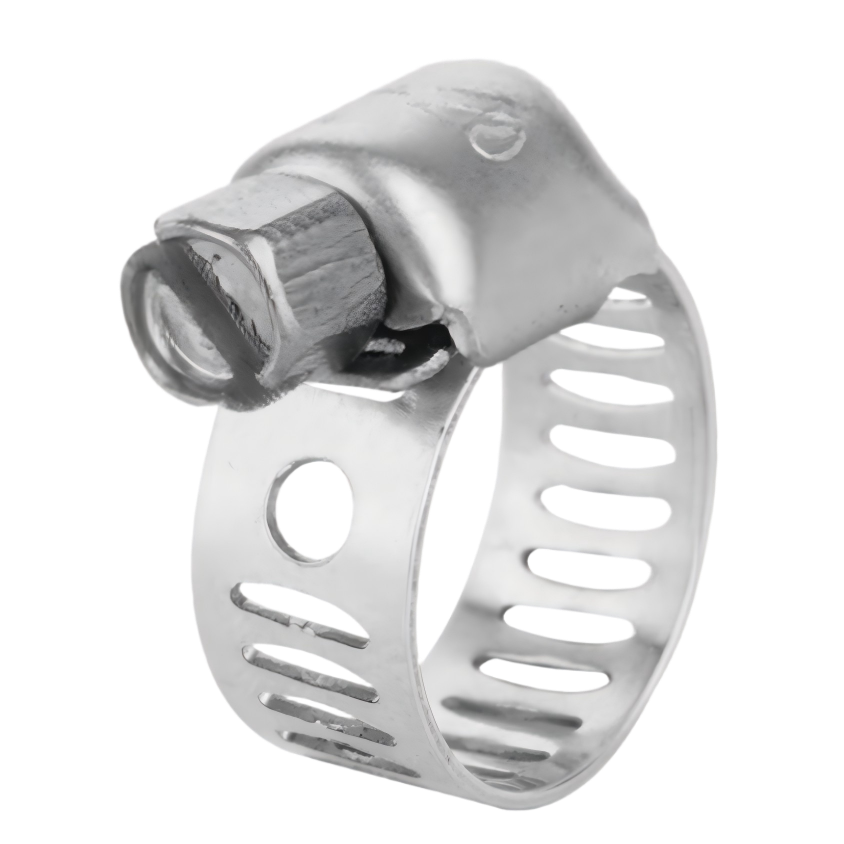
Worm gear clamps are reusable when workers keep them undamaged and structurally sound. Technicians value this reusability during quick field repairs to save money. However, worn hardware creates severe fluid or air leaks in active systems. Mechanics must evaluate physical clamp conditions carefully, follow correct removal methods, and replace damaged hose clamps immediately.
Key Takeaways
- Workers can safely use undamaged worm gear clamps again to save money during regular maintenance.
- Check the screw threads and metal bands closely for rust or damage before putting them back on.
- Swap out broken clamps right away to avoid sudden connection breaks and expensive liquid leaks.
Pre-Use Inspection for Worm Gear Clamps
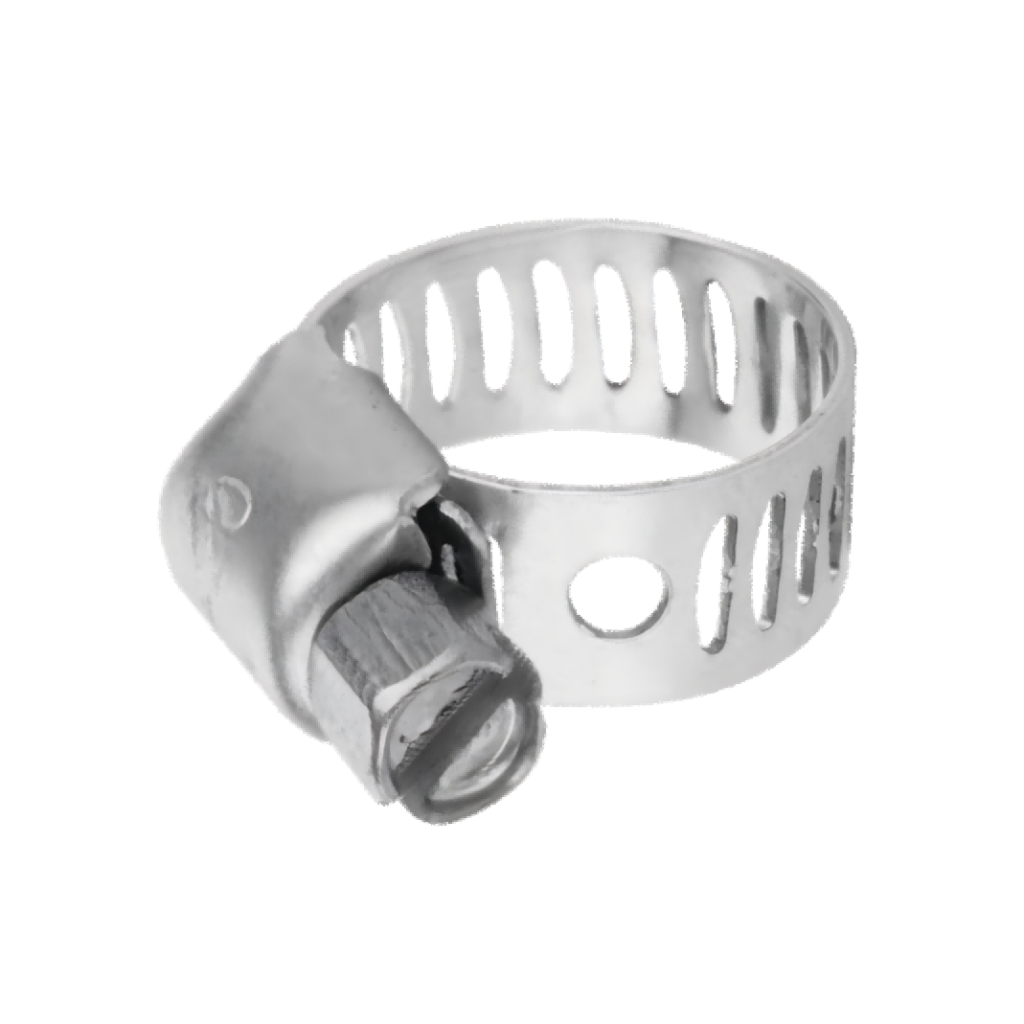
Technicians must perform a careful check before using any old fastening hardware again. Repeated tightening damages band slots and screw threads over time. Checking every set of worm gear clamps prevents sudden joint failures, unexpected leaks, and expensive downtime in working industrial systems.
Checking Screw Drives and Thread Integrity
A broken screw mechanism stops the tool from tightening correctly across the joint. Mechanics should look at the screw drive head for rounded slots, stripped heads, or damaged teeth. These defects prevent normal tools from gripping securely during rebuilds. A rusty or stuck screw will not turn easily, and stripped threads make the screw spin continuously without moving the band.
The table below outlines standard torque specifications for evaluating screw thread integrity and preventing premature failure during maintenance routines:
| Clamp Size | Rated Ultimate Torque (Thread Stripping Threshold) | Recommended Installation Torque |
|---|---|---|
| #4 & #5 Mini Clamps | 15 in.lbs. (1.7 Nm) minimum | 10-12 in.lbs. (1.1-1.4 Nm) |
| #6 and larger Clamps | 60 in.lbs. (6.8 Nm) minimum | 35-45 in.lbs. (3.96-4.52 Nm) |
Going past recommended torque limits strips internal screw threads completely. A worn worm drive clamp slips and quickly loses tension under system pressure. Workers must check for loose movement where the screw spins without moving the band. Reusing broken worm gear clamps risks sudden pressure drops and dangerous fluid spills.
Inspecting Band Slots and Corrosion Resistance
Band strength is important for keeping even pressure and a tight seal. Inspectors must check each band slot for physical damage, stretched metal, or weak spots. Over-tightened hose clamps slice deeply into rubber hoses, causing surface cracks or bubbles near the fitting edge. Loose clamps cause visible fluid leaks around the connection point.
The environment determines your choice. 304 stainless steel (A2) is the industry standard, offering solid rust and oxidation resistance for general-purpose use in automotive and industrial settings. 316 stainless steel (A4) contains molybdenum, providing superior protection against salt spray and chemical exposure — making it essential for marine and coastal applications.
Inspectors often check jubilee clips for heavy rust in harsh marine settings. Premium stainless steel clamps made by HWKG (Hengwei Hose Clamp Co., LTD.) resist slot wear, strong vibration, and chemical damage. Their high-quality worm drive hose clamps stay strong through severe temperature changes. Reusing a great worm drive clamp from a trusted supplier keeps systems safe, but rusty or bent hose clamps need quick replacement.
Safely Reusing Worm Gear Hose Clamps
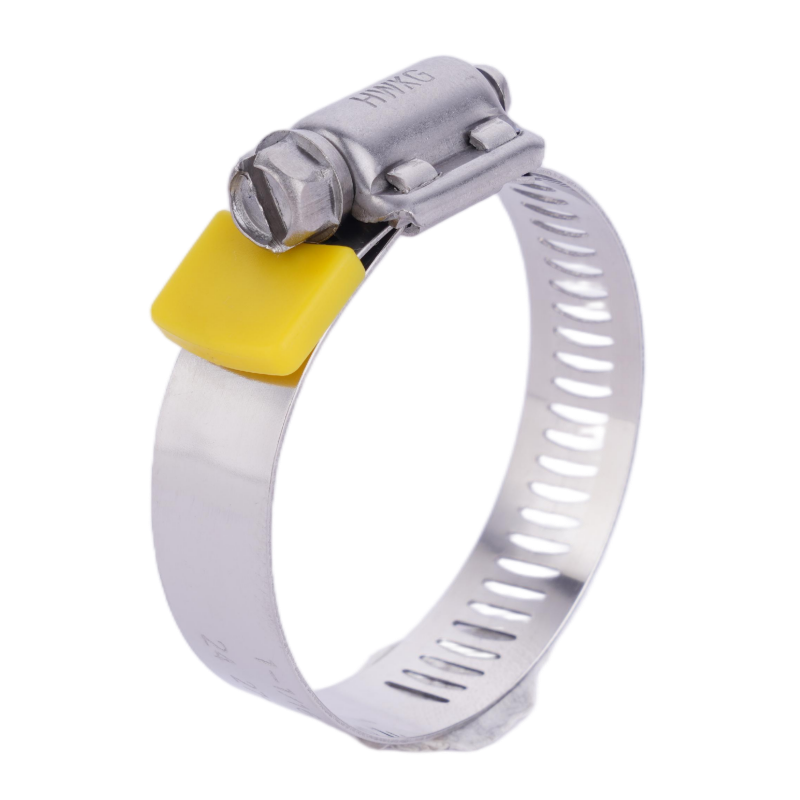
Technicians must handle fastening hardware correctly during routine maintenance tasks. Proper handling keeps metal components functional for multiple service cycles. Careless servicing methods ruin good structural hardware and cause early system failures in industrial applications.
Proper Removal Without Damaging the Band
Mechanics must loosen hardware fully before taking components off fluid connection points. Workers should never pry open or bend clamp bands during removal. Industrial guidelines highlight that deformed bands fail to maintain a uniform leak-free seal. Bending metal band structures distorts the round profile permanently. This physical shape change stops the inner metal surface from pressing evenly around soft rubber hoses. Technicians should turn screw heads counterclockwise using manual hand tools until the screw housing releases tension completely. Sliding the loosened unit off smoothly prevents deep scratches or structural tears on soft connection lines.
Case studies show that simple operator errors ruin reusable hardware during fast field repairs. Mechanics must avoid specific maintenance actions to ensure overall system safety:
- Reusing worn or distorted bands
- Reusing stretched hose clamps or stainless steel bands
Removing parts carefully preserves structural geometry and original band integrity. This careful maintenance practice keeps quality metal components ready for future application cycles across active machinery setups.
Reinstallation and Torque Guidelines
Reinstalling hardware requires precise placement over underlying pipe fittings. Workers must align the inner metal band directly above internal fitting barbs. Correct positioning ensures uniform radial pressure across the outer hose surface. Technicians should always avoid seating sharp metal edges directly over raised hose beads or uneven joint shoulders.
Tightening hardware demands strict attention to proper installation torque values. Excessive mechanical force damages underlying synthetic rubber lines quickly during service routines.
Mechanics must use calibrated torque drivers to secure each joint connection properly. Following rated torque specifications stops drive screw threads from slipping or stripping during assembly. A quality worm drive clamp distributes radial tension evenly without cutting soft outer hose covers.
Industrial facilities rely on high-grade fastening components from trusted supply partners. Selecting durable hardware from an experienced manufacturer, wholesale distributor, or custom factory ensures long operational service life. Premium worm gear hose clamps maintain consistent holding force through thermal cycling and continuous mechanical vibration. Well-maintained worm gear hose clamps safeguard system integrity across garden water equipment, automotive lines, and power systems. Technicians can reapply undamaged worm gear hose clamps confidently during field operations. Using a sturdy worm drive clamp reduces overall component replacement costs while stopping unwanted fluid leaks. Reusing strong hose clamps keeps daily industrial operations efficient, cost-effective, and safe.
When to Replace Damaged Hose Clamps
Stripped Slots and Slipping Screws
Mechanics must throw away broken hose clamps if the screw slips across the band slots. The screw loses its grip when the housing pushes away from the band in a four-piece locking setup. Technicians do tests to find these broken parts before putting fluid joints back together:
- The easy turn test takes under 3 inch-pounds of force to prove the screw will not strip easily.
- Skilled workers tighten parts until they break to learn exact strength limits under heavy stress.
Loose drive screws make old worm gear clamps unsafe for lines with high pressure. Repair teams swap bad hardware right away to protect workers, hold stable system pressure, and stop dangerous fluid leaks. Operators need to check every hose clamp carefully during regular equipment checks.
Metal Fatigue and Structural Deformities
Heat makes metal bands stretch and bend out of shape during long work periods. Strong machine shaking creates tiny hidden cracks inside cheap, low-quality hose clamps. Bent worm drive clamps cannot press evenly around soft rubber connection hoses to keep a tight seal.
Prying or bending metal bands weakens the steel structure for good. Repair staff must throw out bent worm gear clamps while working on machinery. Buying tough new parts from an approved supplier ensures long-term work safety. Putting on a new worm drive clamp stops quick leaks and keeps expensive factory tools running. Replacing old parts keeps daily shop work moving smoothly.
Technicians check worm gear clamps to see if they can use them again after each repair. Clean parts without bent metal, worn slots, or rust will work safely. Swapping damaged hose clamps with strong stainless steel ones saves money by stopping system leaks. Mechanics must throw away any clamp with slipping drive screws or bent bands right away.
FAQ
How many times can technicians reuse worm gear clamps?
Workers can reuse undamaged worm gear clamps several times. They must check the band and drive screw for thread damage before putting hardware back onto active lines.
Can mechanics reuse worm gear hose clamps with stripped threads?
No, mechanics must throw away worm gear hose clamps with stripped threads. Slipping screws lose holding tension and cause quick fluid leaks across pressurized machine joints.
How do operators select a reliable worm drive clamp for high-vibration systems?
Operators choose a stainless steel worm drive clamp from a trusted factory. Premium hose clamps resist vibration wear much better than low-grade worm gear clamps.