






Standard worm-gear hose clamps can typically withstand pressures of 30 to 60 psi safely but will fail at pressures ranging from 50 to 150 psi. Material hardness, installation tightness, and temperature fluctuations all influence the maximum rated pressure of standard worm-gear clamps. Engineers test hose clamps under various operating conditions to determine this maximum pressure rating.
Key Takeaways
- Regular worm gear clamps safely handle 30 to 60 PSI under normal conditions.
- Using the right tightening force along with strong hose materials allows clamps to handle more pressure.
- Strong T-bolt clamps safely hold high-pressure hose systems that go over 60 PSI.
Safe Working Limits and Maximum Pressure Rating
Pressure-Bearing Performance of Standard Worm-Gear Hose Clamps
Engineers test strength limits to select appropriate fasteners for industrial fluid systems. In routine operation, standard worm-gear clamps can safely withstand pressures ranging from 30 to 60 PSI. Adhering to these safety limits helps prevent fluid leaks and ensures that hose connections remain secure during normal operation. When secured with standard clamps, flexible rubber hoses can typically withstand pressures of nearly 50 PSI, while rigid plastic hoses—if the clamps are properly tightened—can handle pressures up to 100 PSI. Optimal clamp performance depends on proper hose alignment and the application of uniform pressure around the fitting.
| Pressure Type | Range (PSI) |
|---|---|
| Burst Pressure | 50–150 |
| Safe Working Pressure | 30–60 |
Daily system settings directly change how clamps perform in real-world fluid setups. Top-quality HWKG stainless steel clamps take 150 to 200 PSI on special fuel lines in ideal settings. Stronger steel clamp styles can top 200 PSI in tough commercial workplaces. Tough stainless metals help specialized clamps keep their tight hold without slipping over long periods of use. Picking the right metal stops bad pressure drops in crucial car and factory parts.
Burst Limits and Safe PSI Ratings
Laboratory personnel conduct destructive stress tests under safety protocols to determine the precise point of failure. Standard worm-gear hose clamps typically reach their breaking point between 50 and 150 PSI. This upper limit marks the moment the metal band stretches, snaps, or suffers catastrophic deformation. Technicians record this PSI value to establish clear safety guidelines for real-world applications.
Understanding pressure ratings helps personnel distinguish between momentary pressure spikes and routine safe operating limits. Exceeding these limits can cause the clamp band to stretch or slip, potentially leading to the hose detaching completely. If the pressure exceeds the limit, it can result in sudden leaks, equipment damage, and costly repairs.
Knowing the actual PSI limits helps prevent expensive equipment damage in complex fluid systems. Baseline PSI ratings are typically derived from controlled laboratory tests featuring constant room temperatures and steady fluid flow. In actual operation, however, factors such as equipment vibration, fluid dynamics, and temperature fluctuations can affect performance. As long as daily operations remain within safe limits, standard hose clamps provide a secure and reliable hold.
When hydraulic thrust exceeds the capacity of standard components, engineers opt for high-strength hose clamps. The rugged HWKG series is designed for heavy-duty commercial equipment, offering superior band strength and clamping force. Selecting the right clamp based on system pressure ensures optimal equipment performance throughout its service life. Additionally, regular inspection of tools and fasteners helps extend the lifespan of connections, ensures a tight seal, and prevents hazardous fluid leaks in heavy-duty equipment.
Factors Affecting Worm Gear Clamp Performance
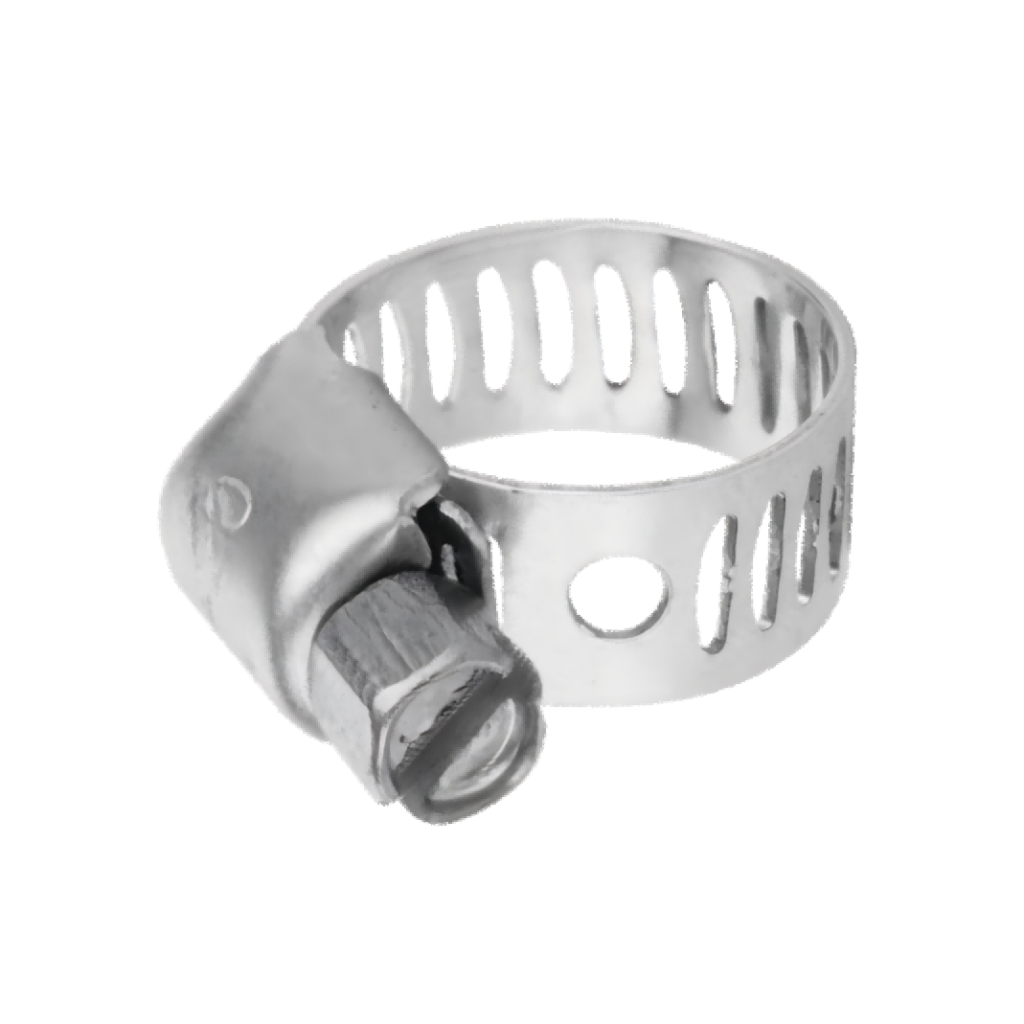
Hose Material Hardness and Maximum Clamping Capability
Soft rubber hoses are prone to flattening and deformation under lateral pressure, whereas hoses with higher hardness resist bending and maintain a tight seal against metal fittings. If a standard worm-gear clamp is used on a soft hose, excessive compression can deform the hose, thereby reducing overall clamping strength. Hoses made of tougher materials allow the metal band to grip securely, resisting slippage even under sustained load.
Hose hardness determines the fluid system’s basic pressure-handling capability (psi). Overtightening a worm-gear clamp on a soft rubber hose can cut the hose wall, leading to leaks. Properly matching hose rigidity with clamp band width helps achieve optimal clamping performance during system operation. Testers inspect hose clamps—particularly those with moving parts—to ensure the connection is tight and reliable.
Installation Torque and Thermodynamic Characteristics
Applying the correct installation torque creates uniform compressive force around the hose fitting. Proper tightening prevents the hose from detaching due to fluid forces and stops the clamp from shifting out of position. Users must strictly adhere to tightening specifications during installation to ensure the safe operation of the entire system.
| Clamp Type | Suggested Installation Torque | Maximum Recommended Torque |
|---|---|---|
| Aero-Seal® Heavy Clamp | 30-42 in. lbs. | 60 in. lbs. |
| Marine Grade Stainless Clamp | 30-42 in. lbs. | 60 in. lbs. |
During routine operation, thermal effects subject fixed components to conditions exceeding standard heat-resistance limits. Thermal cycling generated by motor operation causes components to expand and contract, leading to permanent deformation (flattening) of rubber materials and the loosening of screw connections. Continuous vibration can also cause initially tight screws to work loose, thereby reducing overall clamping force.
High-Pressure Solutions Beyond Standard Clamps
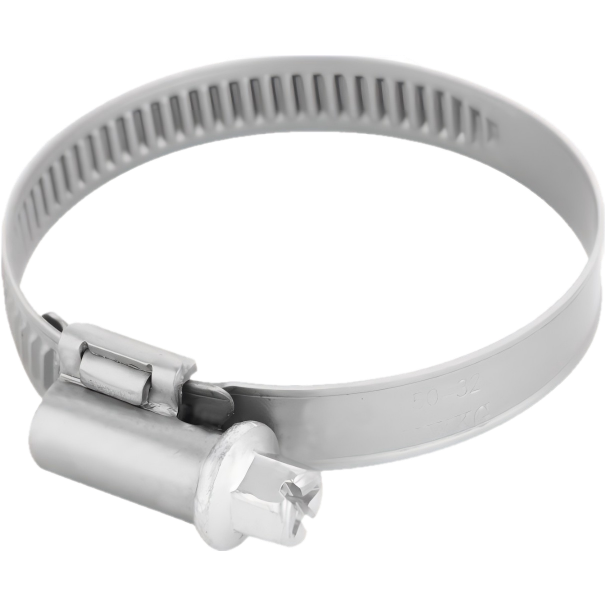
When System Pressure Exceeds Standard Limits
Standard worm-gear hose clamps are suitable for low-pressure environments. However, when pressure exceeds 50 to 60 psi, a switch to high-pressure hose clamps is typically required. Heavy-duty industrial equipment drives fluids through enclosed piping at high speeds; the resulting rapid flow can trigger instantaneous pressure surges that exceed the load limits of standard clamps. System operators must closely monitor fluid dynamics to protect critical equipment.
Inadequate components are prone to failure under sustained high pressure. When designing new systems, engineers carefully verify the pressure ratings (psi) of various hose clamps. Vibrations and thermal expansion or contraction in heavy machinery can cause standard clamps to loosen over time. Regular equipment inspections effectively prevent component failure. For high-pressure applications, robust mechanical locking devices are essential to prevent hazardous fluid leaks.
HWKG High-Pressure Heavy-Duty Clamps
HWKG manufactures high-pressure hose clamps designed for demanding operating conditions, serving a wide range of industrial clients. The product lineup is extensive, featuring rugged T-bolt fasteners, constant-tension clamps, solid-band (non-perforated) clamps, and V-band couplings. These durable clamps effectively protect piping systems and prevent sudden fluid leaks. Industrial facilities rely on these professional-grade high-pressure clamps to ensure tight sealing performance during daily operations.
T-bolt clamps are an ideal choice for high-pressure systems. These specialized, high-pressure components maintain exceptional sealing pressure even under heavy loads. A single heavy-duty clamp is sufficient to securely lock the connection and withstand fluid pressure.
These strong high-pressure tools hold heavy machines tight through big heat changes. Every stainless clamp stops rust and wear while keeping inner pipe joints secure during full work shifts. Picking the right parts prevents expensive delays across tough high psi applications.
A standard worm gear clamp has a safe working pressure of 30–60 psi. Rigid fuel setups hit 100–150 psi, while heavy hardware tops 200 psi. Matching each clamp to system demands guarantees tight seals. HWKG stainless steel clamps deliver an ideal psi rating. Proper torque specifications and routine maintenance prevent pressure loss across high-pressure hose clamps.
FAQ
What is the normal pressure (psi) limit for standard worm-gear hose clamps?
In routine operations, standard worm-gear hose clamps can easily withstand pressures of 30 to 60 psi. Specialized laboratory tests indicate that their actual burst pressure ranges from 50 to 150 psi.
When should operators switch to high-pressure hose clamps?
Equipment managers opt for heavy-duty clamps when the total system pressure exceeds 60 psi. Using these specialized clamps helps prevent dangerous fluid leaks in high-load industrial equipment.
Which type of hose clamp is best suited for high-pressure systems?
Rugged T-bolt clamps are the preferred choice for demanding, high-pressure applications. These robust clamps can easily withstand pressures of 150 to 300 psi or even higher.