


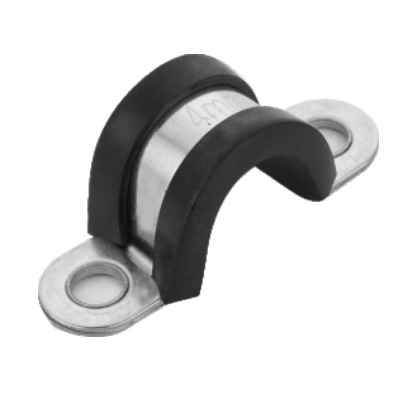
Buffer clamps for 3/4-inch copper pipe are typically 3/4″ CTS. This size is suitable for 7/8″ outside diameters. Choosing the correct size helps prevent leaks and damage. Many plumbers use 3/4-inch copper pipe in buildings. It is also used in fire safety and HVAC systems. HWKG cushion clamps provide a robust and durable solution for these applications.
Key Takeaways
- Select 7/8″ buffer clamps for 3/4″ copper pipe. This will help the clamps fit tightly and prevent leaks.
- Always check the pipe’s outer diameter before selecting clamps. This helps prevent the clamps from loosening and causing damage.
- Choose the appropriate clamp material based on your operating environment. Use stainless steel clamp in humid environments. If a lightweight material is required, use aluminum clamp .
Key Details for 3/4″ Copper Pipe Clamps
Tube/Pipe O.D.
The outer diameter of 3/4″ copper pipe is 7/8″ inch. This size is crucial because buffer clamps need to fit tightly. If the clamps fit well, the pipe will not move or wear quickly. HWKG buffer clamps are designed for this size to securely hold the pipe. The rubber gaskets on the clamps protect the pipe from friction and high temperatures, extending the pipe’s lifespan.
Tip: Always check the pipe’s outer diameter before selecting clamps. This ensures the clamps are not too loose, preventing leaks.
Nominal Size
Nominal size refers to the inner diameter of a copper pipe, which is different from the outer diameter. This can be confusing for pipe installers. The outer diameter remains constant, but the inner diameter changes if the pipe wall thickness increases or decreases. Understanding this helps you choose the appropriate clamps or fittings.
- The main difference between IPS and CTS is the outer diameter.
- IPS used to be based on the inner diameter, but now NPS uses the outer diameter.
- The nominal pipe diameter is roughly the same as the inner diameter, which is crucial for water flow.
- To match the outer diameter of the pipe, the actual size of the fitting is larger than the size shown on the label.
- The nominal size is determined by the inner diameter, but the outer diameter remains constant.
- “Nominal” means that the inner diameter is not an exact value because the pipe wall thickness can vary.
- The outer diameter of the copper pipe remains constant, but the inner diameter may vary slightly.
- This is very important when choosing the appropriate clamps or fittings.
Common Part Numbers/Sizes
HWKG buffer clamps conform to DIN 3016-1 and are available in a variety of sizes and materials. For 3/4 For 7/8 inch outer diameter copper pipes, the most common part number is for… 7/8 inch outer diameter. These clamps are made of low-carbon materials. High-strength steel with a rubber lining. The rubber helps prevent sloshing and reduce noise, thus protecting the pipe and its surrounding area.
| Specification | Details |
|---|---|
| For Copper Pipe Size | 3/4″ (7/8″ OD) |
| Material | Low Carbon Steel |
| Cushion Material | Rubber |
| Temperature Range | -65° F to 275° F |
HWKG also manufactures stainless steel, galvanized steel, and aluminum cushioning clamps. Installers can choose the most suitable material based on specific needs. The rubber lining also prevents metal parts from contacting each other, thus reducing pipe stress and ensuring its safety.
Recommended Cushion Clamps Size
3/4″ CTS and 7/8″ OD Explained
Many installers, upon seeing “3/4 inch copper pipe,” often associate it with the inner diameter. However, “CTS” stands for copper pipe size. This label indicates that the nominal pipe size is 3/4 inch, but the actual outer diameter is 7/8 inch. HWKG buffer clamps are perfectly suited for this size. The clamp wraps around the pipe and securely holds it in place. Compliant with DIN 3016-1 standards, ensuring the clamps meet stringent safety and performance requirements.
Note: Always select the appropriate clamp size based on the pipe’s outer diameter, not the nominal size. This helps prevent loosening of the joint and ensures a secure pipe connection.
HWKG offers buffer clamps in a variety of materials. Stainless steel is rust-resistant and suitable for wet environments. Galvanized steel is robust and durable, suitable for heavy-duty operations. Aluminum is lightweight and easy to use. Each material provides installers with options suitable for different environments.
Why Proper Sizing Matters
The right size protects pipes and ensures smooth system operation. If clamps are too loose, pipes may shift or vibrate. This shift can lead to leaks or damage. HWKG cushioning clamps use rubber liners to absorb vibration and reduce noise. The liner also protects pipes from abrasion and high temperatures. Installers choosing the right size can prevent excessive stress on the pipes and prevent wear.
- The correct clamp size prevents pipe shifting and ensures pipe safety.
- The rubber liner cushions the pipes and reduces noise.
- Compliance with DIN 3016-1 means this clamp meets high standards.
- A variety of materials allows installers to select the best clamp for each project.
HWKG Buffer clamps are suitable for a variety of environments. Plumbers use them in homes and buildings. Technicians install them in HVAC systems and fire safety systems. The clamps securely hold pipes in place, protecting them from damage. The rubber lining acts as a buffer, preventing direct metal-to-metal contact and extending the life of the pipe.
Tip: Before purchasing buffer clamps, measure the outside diameter of your pipe. This step ensures a tight fit and provides lasting protection.
Choosing and Installing Cushion Clamps
Measuring for Correct Fit
Installers need to carefully measure the pipes. They use a tape measure to measure the outside diameter. Most 3/4-inch copper pipes have an outside diameter of 7/8 inch. Installers check this value and refer to the manufacturer’s guide. This helps them select the appropriate clamp. It prevents pipe movement or leaks. HWKG recommends checking the dimensions of the pipes and clamps before starting installation.
Tip: Always measure the outside diameter of the pipe, not the inside diameter, for best fit.
Material and Type Considerations
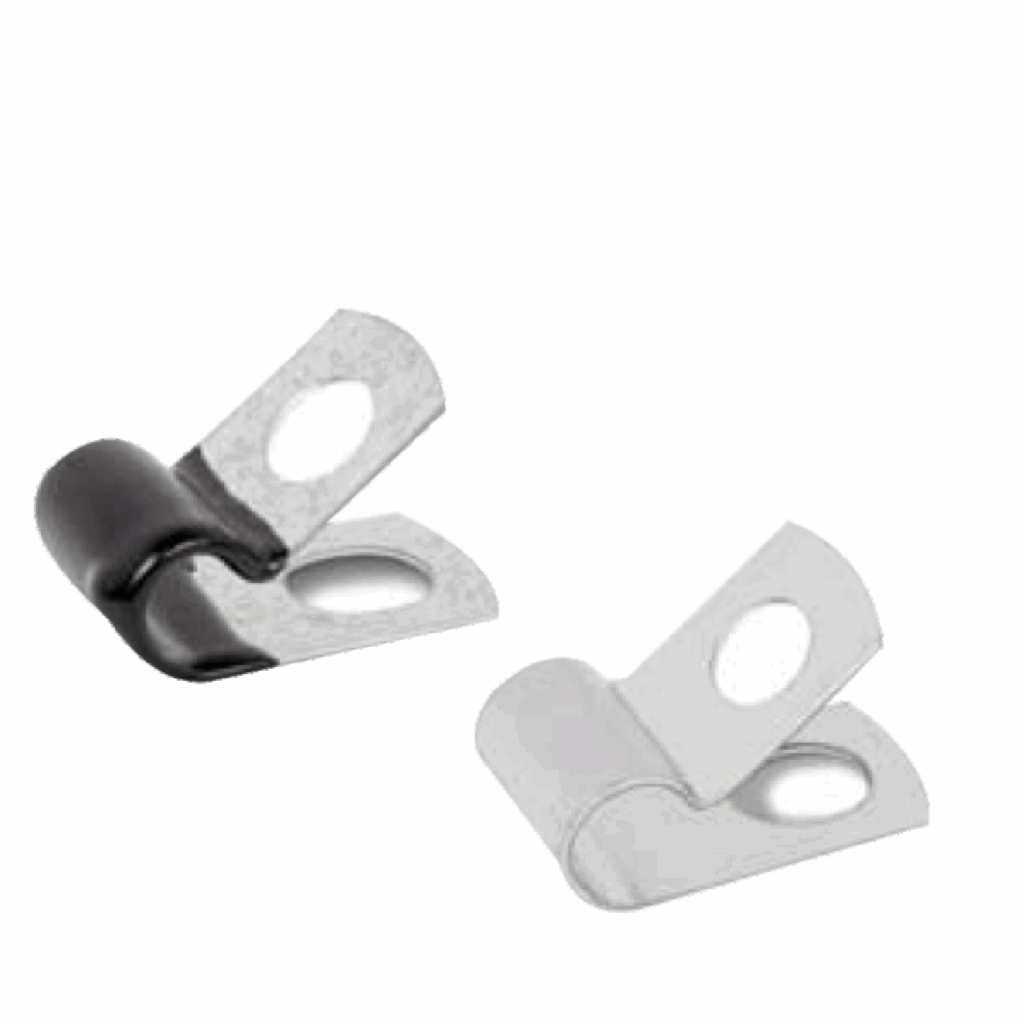
HWKG manufactures buffer clamps for a wide range of applications. D2 Model F1 clamps secure two pipes side-by-side. Easy to remove and maintain. Rivetless clamps with adhesive strips allow for quick installation. Dip-coated clamps are rust-free and suitable for damp environments. Installers use stainless steel clamps in damp areas. For high-intensity work, galvanized steel clamps are used. For lightweight applications, aluminum clamps are ideal. Each clamp type has its optimal application.
| HWKG Clamp Type | Benefit |
|---|---|
| D2 | Secures two pipes |
| F1 | Easy to remove |
| Rivetless | Quick installation |
| Dip-coated | Rust-free |
Installation Tips and Common Mistakes
Installers plan the clamp placement before installation. They ensure sufficient space between the pipe and the clamp. Proper spacing prevents pipe sagging or wobbling. HWKG clamps are suitable for L-shaped and M-shaped clamps. Type 3/4 inch copper pipe. Installers will not overtighten the clamps. Excessive force can damage the pipe or the clamps. They will check that each clamp is straight and tightened securely.
Note: Good planning and proper spacing contribute to proper system operation.
HWKG buffer clamps are suitable for 3/4 inch copper pipe. These copper pipes have an outer diameter of 7/8 inch. The clamps securely hold the pipe in place, preventing swaying. Installers need to measure the pipe dimensions before selecting clamps. Using the appropriate clamps helps extend the service life of the pipe and prevents pipe damage.
Choosing the right clamps ensures the safety and proper operation of the piping system.
FAQ
What size buffer clamp is suitable for 3/4 inch copper pipe?
7/8 inch buffer clamps are suitable for 3/4 inch copper pipe. HWKG recommends measuring the outer diameter of the pipe before selecting clamps.
Why do clamps need a rubber liner?
The rubber liner absorbs vibration and protects the pipe from abrasion. This helps extend the pipe’s lifespan and reduce noise.
Can HWKG shock absorber clamps be used with L-type and M-type copper pipe?
Yes, HWKG shock absorber clamps are suitable for L-type and M-type copper pipe. This clamp secures pipe with an outer diameter of 7/8 inch.