





The key differences between 恒张力夹具 和 蜗杆夹 come down to one main point. Constant tension clamps adjust on their own as temperatures shift. Worm gear clamps stay fixed once a user tightens them. That single difference shapes how each clamp grips a hose.
A hose faces heat, cold, and vibration every day. A hose connection must hold tight through all of it. This post compares both clamp types across design, applications, temperature performance, installation, and cost. Each hose clamp style has clear strengths. Readers will see which hose clamp suits their next job.
主要收获
- Constant tension clamps change on their own when it gets hot or cold. They keep seals tight, so you do not have to tighten them by hand.
- Worm gear clamps stay tight after they are installed. But they can get loose over time when hoses expand and shrink.
- Use constant tension clamps in auto cooling systems to reliably handle thermal cycling and vibration.
- Worm gear clamps are best for low-stress plumbing and short-term jobs where cost and ease matter most.
Design and Mechanism of Constant Tension Clamps
Spring-loaded design and the pinch clamp
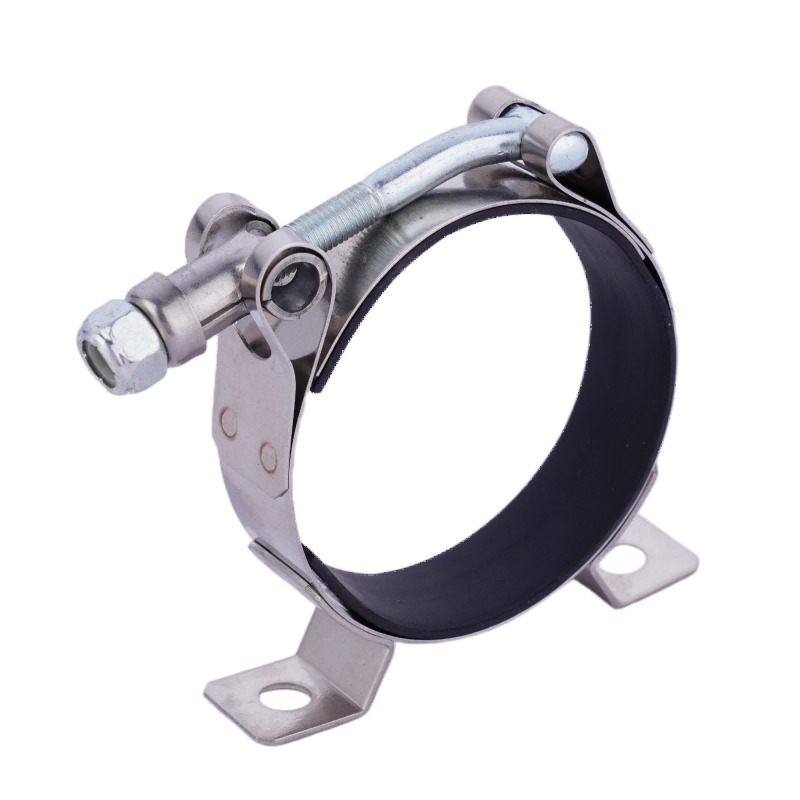
These devices are commonly referred to as spring clips or spring-loaded clips. The main design is a loop of bent steel with two flat ears sticking out. A technician squeezes those ears together with pliers to open the band. This action creates the important pinch clamp mechanism. Knowing the structural and mechanical differences between a pinch clamp and a screw-driven clamp helps users pick the right part for any job.
The materials set the performance range of each pinch clamp. Most standard models use carbon spring steel for its high yield strength and elastic recovery.
Spring clamps are usually made from carbon spring steel, picked for its high yield strength and elastic recovery.
Some applications need a different material. Stainless steel resists corrosion better than carbon steel. However, stainless usually has lower fatigue strength, so tension may relax a bit more over a long service life. The table below shows common steel grades used by manufacturers for different clamp types:
| 夹钳类型 | Spring Steel Grades |
|---|---|
| Self-Compensating Hose Clamps | SAE 1060-1075 steel; select sizes in stainless steel |
| 恒张力带式软管卡箍 | SAE 1074 steel; chrome vanadium |
| Constant Tension Light Band Hose Clamps | SAE 1060-1090 steel |
The size of the clamping lugs must be checked during installation. The clamping force depends directly on the crimping height. This height is the final distance between the top of the squeezed pinch ear and the clamp band. Each size of pinch clamp has a specified target height. Manufacturers usually stamp this value on the clamp or include it in service manuals. If the crimping height goes past this target, the pinch clamp will not grip properly. The result is not enough clamping force. If the height is too low, the risk of damaging the hose or the clamp goes up. Proper measurement of the pinch ear dimension is critical for correct clamping force.
To open a pinch clamp, a user squeezes both ears with pliers at the same time. Releasing the pressure lets the band close around the hose. The pinch clamp stays in place without any further adjustment. Once you install these spring clamps, you can no longer adjust them. The set position stays fixed unless the user removes the pinch clamp entirely.
How constant tension clamps hold pressure
Constant force clamping devices rely on springs or Bellwell washers to operate, which can continuously apply a uniform clamping force. The design automatically adjusts to changes in hose diameter. Temperature fluctuations, pressure variations, and material relaxation all cause diameter changes. The spring mechanism keeps a reliable seal under these dynamic conditions.
The clamping force does not come from manual screw tension. Spring clamps are pre-loaded with spring force during manufacture. The key attributes of spring clamps include:
- Constant tension clamps are pre-loaded with spring force during manufacture rather than relying on a manually set screw tension.
- When the hose expands under heat and pressure, the clamp opens slightly and pushes back with consistent force.
- When the hose contracts in the cold, the clamp follows it inward.
- The grip is always present and always compensating, requiring no human adjustment.
According to Murray Corporation’s specifications for the Turbo Seal constant-tension design, the clamp combines a worm drive screw with a calibrated spring element. After installation, the spring element continuously adjusts the band diameter as the hose changes size. When the hose expands from heat, the spring extends to accommodate the larger diameter while maintaining pressure. When the hose cools and contracts, the spring compresses the band back to a tighter fit. This cycle repeats automatically through every thermal cycle, keeping the seal tight without manual intervention.
The mechanism works through a precise sequence:
- A precision-calibrated spring element sits between the bolt head and the band.
- During installation, the spring compresses and then continuously exerts force on the band as conditions change.
- When the hose heats up and expands, the spring extends slightly so the band grows with the hose while maintaining clamping pressure.
- When the hose cools and contracts, the spring compresses the band back to a tighter diameter.
- This dynamic response keeps the connection sealed through repeated thermal cycles without manual retightening.
Spring clamps use high-performance spring steel components. Spring clamps automatically adjust diameter to compensate for hose expansion, contraction, and cold flow relaxation. Spring clamps maintain consistent sealing tension at all times, unlike fixed-torque worm clamps.
The result is consistent radial pressure on the hose connection. Spring clamps deliver automatic tension adjustment throughout the product lifespan. Even under repeated thermal cycling from -40°C to 120°C and long-term mechanical vibration, the spring (constant-tension) clamps retain stable clamping pressure without manual re-tightening. This performance represents the key structural and mechanical differences between a spring or constant-tension hose clamp design and standard worm gear alternatives. Technicians working with thermal cycling choose these constant-tension designs for their reliable sealing in demanding applications.
Design and Mechanism of Worm Gear Clamps
Screw-driven band and housing
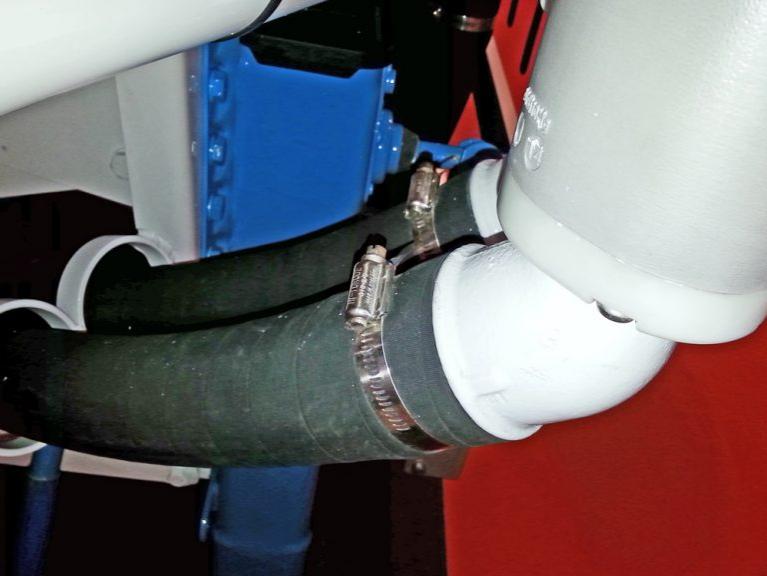
Worm gear clamps have a simple build. They use a metal band with slots cut into it. A screw housing sits at one end of the band. Inside the housing, a worm gear fits into those slots. When you turn the screw, the band pulls tighter around the hose to hold it firmly.
The materials decide how long each clamp will last. Most worm gear clamps use stainless steel for the band and housing. The screw is made of 430 stainless steel or zinc-plated steel. This helps stop rust in cooling systems. These clamps meet SAE J1508 for Type F plumbing jobs. A worm drive clamp usually has a 1/2 inch wide stainless steel band and a 5/16 inch slotted hex head screw.
A worm drive clamp uses a one-piece band for strength. The band wraps all the way around the hose. The screw housing attaches to one end of the band. The worm gear goes through the housing and fits into the slots on the band. Turning the screw pulls the band through the housing. This gives you a snug, adjustable fit on any hose size.
The worm gear mechanism gives you a lot of turning power. A small twist of the screw creates strong squeezing force. Just a quarter turn makes a big clamping force. Engineering data shows that a worm gear hose clamp, when installed right, creates about 8 to 12 foot-pounds of clamping force where the hose meets the fitting.
Manual adjustment and over-tightening risks
Worm gear clamps let you adjust them fully. You control how tight they are by turning the screw. This works well for many jobs. A technician can tighten the clamp to just the right level. The clamp stays put until someone changes it.
Tightening too much causes real trouble. Plastic radiator parts can crack under too much pressure. The band can dig into the rubber hose. These problems cause leaks that lead to costly repairs. A technician must use the right torque when putting on worm gear clamps.
Manual adjustment is still a downside. A clamp that feels tight might really be too tight. A clamp that seems secure may loosen as the hose squishes down. This matters for jobs with temperature changes. The hose gets bigger and smaller. Worm gear clamps do not move with these changes. The connection can lose its grip and start to leak.
Applications for Spring or Constant-Tension Hose Clamps
Automotive and thermal cycling uses
Car cooling systems depend on constant-tension clamps more than any other use. Car makers choose them for radiator hoses, heater core connections, and thermostat housings. The table below shows where these clamps show up in vehicle systems.
| 汽车系统 | Constant Tension Clamp Application |
|---|---|
| Cooling system hoses | Radiator, heater core, thermostat housing |
| Coolant hoses | Radiator, heater, bypass |
| Fuel system | High-pressure fuel injection lines (with proper O-ring fittings) |
| Vacuum system | Vacuum lines (small spring clamps less common) |
A spring clamp works great on small hoses. Technicians also count on them for bigger radiator hoses. The heater hose clamp type is important here. Heat cycles make a hose grow and shrink. A spring or constant-tension hose clamp moves right along with it. Endurance racing teams pick spring-type constant-tension clamps for key cooling circuits. Shaking and sudden heat changes need that kind of trust.
Where worm gear clamps work best
Worm gear clamps handle general plumbing, car, and factory jobs. A worm gear hose clamp fits water service with low shaking and steady temperatures. Light-duty air hose connections also belong in this group. These clamps are great for temporary connections or ones that get serviced often. A technician can loosen and retighten them many times.
Worm gear clamps do have limits. Screw threads can slip back under steady shaking without a locking feature. Torque relaxation also happens as the hose squishes down during heat cycles. A worm drive clamp cannot make up for that movement. Constant-tension and t-bolt clamps deal with those tough conditions better. For steady, low-stress connections, though, worm gear clamps give you trusty service at a lower price.
Performance Under Temperature Changes
Why constant-tension clamps maintain a seal
Heat makes rubber grow. Cold makes it shrink. A constant-tension clamp handles both changes without any help. The spring steel inside pushes back with steady force. This self-adjusting action keeps the seal tight through every temperature swing.
EPDM rubber is the standard for coolant and heater hoses. Its thermal expansion shows these numbers:
- Typical EPDM radiator hose grows by 150–200 ppm/°C (parts per million per degree Celsius).
A shift from -20°C to above 100°C creates a change of more than 120°C. The hose diameter changes a lot. A constant-tension clamp automatically adjusts its force to match. When the heater hose grows and shrinks, the spring follows. The clamp never loses its grip.
Spring steel lets constant-tension clamps self-adjust and keep nearly steady radial force. This makes up for hose relaxation, including compression set. Compression set happens when rubber keeps a permanent shape after long pressure. The spring responds to this thinning and keeps applying force. A heater hose that goes through temperature changes benefits most. The clamp adjusts for size changes without any manual help.
Why worm gear clamps may loosen
Worm gear clamps do not respond to temperature changes after a technician tightens them. The band stays at a fixed size. When the hose expands, clamping force gets too high. When the hose shrinks, tension drops. This cycle causes tiny movements and wear. Leaks follow.
Research shows this loss of torque:
- SAE International research documents that worm gear clamps lose a measurable percentage of initial clamping force within the first several heat cycles due to stress relaxation in both the band material and the hose compound.
Hose compression set makes the problem worse. Rubber gets thinner over time under steady pressure. A worm gear clamp cannot make up for that thinning. The band stays where the technician put it. A gap forms between the band and the hose. Outside air can get into the system when it cools. This risk leads to coolant loss and system damage.
A heater hose that goes through temperature changes faces these conditions every day. The hose gets hot during engine use and cools at night. Each cycle moves the rubber. A fixed-size clamp cannot follow. Constant-tension clamps lower the leak risk in these jobs. The spring absorbs thermal growth and shrinking automatically. A wholesale buyer or factory team should choose the clamp type based on the heat demands. For high-heat connections, a constant-tension clamp from a trusted maker gives reliable performance over thousands of cycles.
Installation, Durability, and Cost
Ease of installation and tools required
Worm gear clamps install quickly with common tools. A technician slides the band over the hose, then turns the screw with a screwdriver or nut driver. The worm gear mechanism pulls the band tight around the hose. This process takes only seconds. A worker can adjust the fit at any point during the job. The worm gear hose clamp design allows full control over tightness. This flexibility helps on a hose that needs frequent service.
Constant-tension clamps need a different approach. A technician pinches the two ears together with pliers to open the band. They slide the clamp over the hose and release the ears. The spring closes the band around the hose automatically. No screw turning happens here. The clamp sets its own tension based on the spring force. This method works fast once a worker learns the technique. However, the installer cannot fine-tune the grip after the clamp closes.
Longevity versus price
Worm gear clamps cost less at the counter. A wholesale buyer or factory repair team can stock them in bulk for a low price per unit. Hardware stores and auto parts shops carry them everywhere. This wide availability makes them a go-to choice for quick repairs. A worm drive clamp fits many hose sizes with one part number. That range keeps inventory simple for a supplier or maintenance crew.
Constant-tension clamps cost more upfront. The spring steel and precise manufacturing add to the price. However, they last longer in tough conditions. High heat and constant vibration wear down a standard worm gear clamp over time. A constant-tension clamp holds its grip through thousands of thermal cycles. This durability saves money on repeat repairs and coolant loss.
Spring-loaded clamps adjust automatically to heat and vibration, while worm gear clamps stay fixed after tightening. This difference guides when to use which clamp. Choose constant tension clamps for automotive cooling systems, where a hose expands and contracts through thermal cycles. Choose worm gear clamps for general plumbing, low-cost repairs, and jobs where manual adjustment works fine. A radiator hose, heater hose, or coolant hose benefits from spring tension. A garden hose or water supply hose does well with a worm gear clamp. Each hose connection has its own demands. A hose clamp must match the hose material and the job. Both types serve a purpose. The right hose clamp depends on the specific task.
常见问题
Can a person reuse constant tension clamps?
Yes, in many cases. A technician can remove a spring clamp and install it again if the spring steel stays in good shape. The clamp must still hold its original shape. A bent or rusted clamp will not grip the hose correctly. Inspect each clamp before reuse.
Do worm gear clamps work on silicone hoses?
Worm gear clamps can work on silicone hoses, but they need care. Silicone is soft and slippery. Over-tightening cuts into the hose surface. A technician should tighten gradually and check the fit. Constant tension clamps often suit silicone better because they self-adjust.
How often should a person check hose clamps?
Check clamps during routine maintenance. A worm gear clamp may need retightening after heat cycles. Constant tension clamps usually need no adjustment. A driver should look for leaks, rust, or loose bands at every oil change. Early detection prevents roadside failures.
What size clamp fits a specific hose?
Measure the outside diameter of the hose with the fitting installed. Match that number to the clamp’s stated range. A worm gear clamp covers a wider range with one part. A spring clamp must match the hose size exactly. A supplier or manufacturer can confirm the right fit.
Which clamp type suits high-vibration jobs?
Constant tension clamps handle vibration better. The spring absorbs movement and keeps steady pressure on the hose. Worm gear clamps can slowly lose torque under constant shaking. For engines, pumps, or heavy machinery, a spring clamp offers more reliable service over time.