






V-clamps may leak, but proper installation and maintenance can prevent most problems. These clamps provide a strong and secure seal, making them ideal for exhaust systems. High-quality clamps can completely eliminate leaks.
Key Takeaways
- Proper installation is crucial. First, clean all parts. Ensure flange alignment. Tighten the clamps evenly to prevent leaks.
- Regularly inspect your V-clamp exhaust pipe. This helps you detect leaks early. Check for black carbon buildup. Listen for unusual noises. Check for cracks.
- Choose high-quality, reliable clamps. Superior materials and clever design ensure a tight seal and extend the clamp’s lifespan.
Why v band clamps leak
Flange Deformation and Misalignment
V-type clamps require flanges to be flat and aligned. If the flange is bent or misaligned, the clamps will not bear force evenly, leading to venting leaks. Experts point out that high temperatures and vibrations can cause metal parts to bend, which in turn stretches the bolts and causes the clamps to shift. Misalignment can cause gaskets to be stretched or torn, and soft gasket materials are more prone to breakage, increasing the likelihood of leaks. Manufacturers recommend checking that the flange is flat and ensuring that the clamps are installed securely without bending. Hengwei Hose Clamp Co., Ltd. uses high-quality materials and meticulous craftsmanship to effectively prevent flange bending or misalignment.
Tip: Always look at flanges to see if they are bent before you put them on. Lining things up right helps the clamp seal better.
Installation Incorrectness
Even high-quality V-clamps can leak if improperly installed. Common mistakes include: unclean parts, misalignment, uneven tightening, or insufficient torque. Dirty or mismatched flanges can prevent proper clamp installation. Bending or broken welds can also cause problems. Overtightening with power tools can damage threads or pull out T-bolts. Insufficient tightening will result in gaps and leaks. Experts recommend tightening the clamps slowly and evenly. Use a torque wrench and follow the manufacturer’s instructions. The table below lists common mistakes and their consequences:
| Installation Mistake | Explanation |
|---|---|
| Clean Surfaces | Parts must be clean and free of rust or dirt for a good seal. |
| Proper Alignment | Pipes should be lined up straight before you tighten to stop uneven pressure. |
| Gradual Tightening | Tighten the clamp slowly and evenly so the pressure is the same all around. |
| Torque Specifications | Use a torque wrench so you do not break the clamp or pipe. |
Hengwei Hose Clamp Co., LTD. has high standards and gives clear steps for putting on clamps. Their factory uses machines and tests every clamp to make sure it works well.
Wear, Tear, and Welding Issues
V-clamps will gradually wear down due to high temperatures, vibration, and loud exhaust noise. Cracks may appear at the weld, and rivet strength will decrease. Stress can cause weld cracking, and rivets or locks may loosen. Poor welding, such as overheating, can cause the weld ring to bend and leak. Incorrect installation or misalignment of the clamp can also lead to clamp cracking and leaks. V-clamps distribute pressure around the flange, helping to prevent leaks caused by wear. However, regular inspection and maintenance are still necessary to ensure proper functioning.
Note: Good clamps from trusted makers like Hengwei Hose Clamp Co., LTD. work well and do not leak much. Their special designs and strong tests make sure clamps last in tough places.
Preventing leaks in v-band clamps
Correct Installation Procedures
The manufacturer advises carefully following each step to ensure a good seal. Clean each component before installing the V-belt clamp. Ensure the flanges are always aligned. Use a torque wrench to tighten both sides of the clamp to the same degree. This helps prevent leaks and maintain a strong seal. Hengwei Hose Clamps Co., Ltd. manufactures robust stainless steel clamps for automobiles and exhaust pipes. Their factory tests the clamps to ensure a long service life.
Tip: Always check if parts fit and line up before you tighten. Doing it right keeps the engine safe and the connection strong.
Using exhaust paste and gaskets
Some people use exhaust paste or a gasket to help seal better. Exhaust paste fills small spaces and helps stop leaks. Some v-band clamps work well without a gasket. For turbo engines, a good clamp and paste can stop leaks. Hengwei Hose Clamp Co., LTD. sells special clamps for buyers who need no leaks. Their clamps work with or without gaskets and keep sealing even when things get tough.
Regular inspection and maintenance
Check v-band clamps often to keep them working well. Look for leaks, like black marks or noise near the clamp. Check if the seal or clamp is worn out or broken. Change the clamp if it does not seal anymore. Hengwei Hose Clamp Co., LTD. makes clamps that last a long time. Their products help keep exhaust systems working well for a long time.
Note: Checking and caring for clamps keeps the seal strong and stops leaks in v-band clamps.
Signs of v band clamp leaks in exhaust systems

Black Ash and Unusual Noises
The most common sign of a leaking V-clamp is black ash around the joint. This ash comes from exhaust gas leaking from tiny gaps. The black marks usually appear in or near the clamp area. Another obvious sign is a change in sound. The exhaust system may hiss or pop. These sounds indicate that exhaust gas is leaking instead of flowing smoothly through the exhaust pipe. Drivers may also notice a stronger exhaust odor. These signs help users detect leaks early and prevent more serious problems.
Tip: Always check for black stains and listen for new noises after installing or servicing the exhaust system.
Inspection methods
A simple inspection can help find leaks in v band clamps. First, look closely at the clamp and the area around it. Use a flashlight to spot any black soot or cracks. Next, run the engine and listen for odd sounds near the exhaust joint. Some technicians use a soapy water spray on the clamp area. If bubbles form while the engine runs, gas is escaping. A table below shows quick steps for checking leaks:
| Step | What to Do |
|---|---|
| Visual Check | Look for soot, cracks, or gaps |
| Sound Test | Listen for hissing or popping |
| Bubble Test | Spray soapy water, watch for bubbles |
Regular checks help keep the exhaust system safe and working well. Manufacturers and suppliers recommend these steps for both new and used vehicles.
Zero-leak solutions for exhaust systems
Choosing the right v-band clamp
Picking the right v-band clamp is very important. It is the first thing you need for a leak-free exhaust system. Makers and sellers know that how well a v-band clamp fits and looks is important for sealing. The Male style V-Band Flange uses a CNC machined retainer. When you use it with the matching Female flange, it makes a tight seal. You do not need a gasket for this kind of seal. This design gives a seal all the way around. It helps stop leaks and makes the exhaust work better. Many buyers want 2.5-inch exhaust band clamps. These fit most normal exhaust pipes. A good v-band clamp lasts a long time and keeps the engine safe.
- A CNC machined retainer makes a smooth place for sealing.
- The Male and Female flange fit together for no leaks.
- You do not need a gasket, so there are fewer parts and less chance of leaks.
Importance of quality and fit
Quality and fit are the most important things for v-band clamps. Hengwei Hose Clamp Co., LTD. is a factory and seller that uses new machines to make great exhaust clamps. Their big factory is over 35,000 square meters and has machines that work by themselves. This makes sure every clamp is made well and seals tight. The table below shows how Hengwei and other top brands make clamps that do not leak:
| Technique | Description |
|---|---|
| Independent Innovation | Over 20 years spent making and designing clamps for what people need. |
| Modern Manufacturing Base | A big factory with new machines that make clamps fast and well. |
| High Vibration and Heat Resistance | Uses stainless steel or strong metals to keep clamps tight in tough places. |
| Leak-Free High-Pressure Seal | V-shaped design spreads pressure evenly for a tight seal. |
B2B customers like suppliers who make special clamps and always give good quality. Hengwei Hose Clamp Co., LTD. uses strong materials so clamps stay tight even with heat and shaking. Their v-band clamps seal well for 2.5-inch exhaust band clamps. This makes them a good pick for makers and sellers who want exhaust systems to last a long time.
Fixing v-band clamp leaks
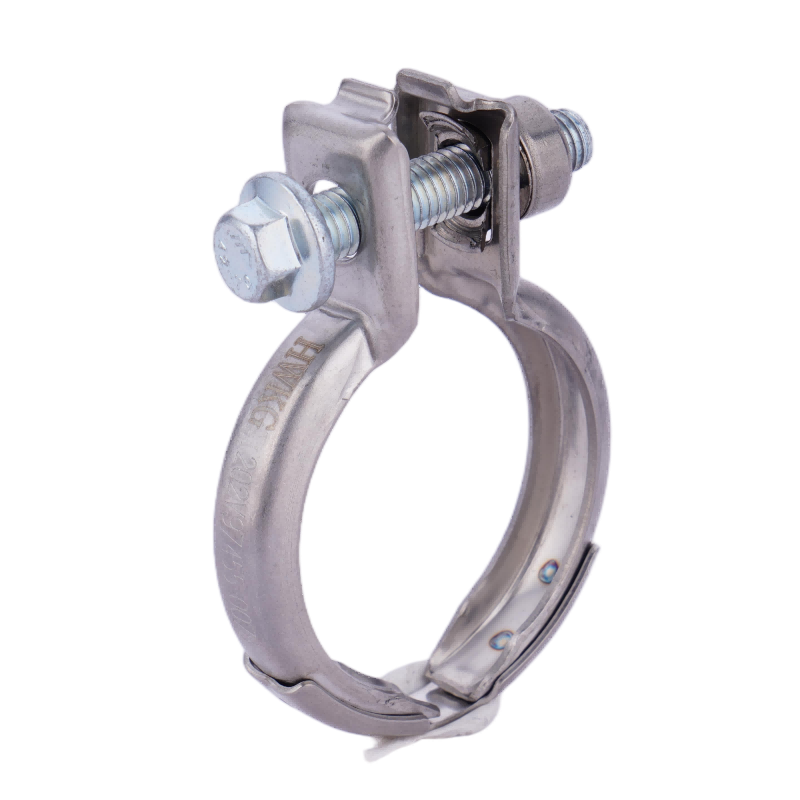
Troubleshooting steps
If an exhaust system leaks, technicians need to find out why. First, they check if the v-band clamp is straight and tight. If the clamp is not lined up, it can leak. Cleaning the flanges and removing dirt or rust helps the seal. If the flanges look bent, they may need fixing or replacing. Support brackets should keep the exhaust from moving. Using the right torque keeps the clamp safe and tight. Makers and sellers say these steps help keep exhaust repairs good.
The table below shows ways to fix v-band clamp leaks:
| Repair Method | Description |
|---|---|
| Welding | This fixes leaks for good in v-band clamps. |
| Proper Alignment and Tightening | Makes sure clamps fit right and stop leaks. |
| Size Adjustment | Using the right size clamp stops leaks from loose parts. |
Repair or replace options
Not every leak needs a new clamp. Sometimes, a simple fix works. Here are some tips:
- If the leak comes from bad alignment, dirty flanges, or weak support, fix the alignment, clean the flanges, or fix the support.
- If the clamp is broken, bent, or does not hold tight, replacing it is best.
- Always follow the right steps and torque to stop leaks later.
Makers, sellers, and factories often replace clamps to keep exhaust systems safe and strong. Custom clamps from trusted suppliers like Hengwei Hose Clamp Co., LTD. help keep leaks away.
- Cracks in spot welds, weak rivets, and heat bending can make leaks happen in exhaust systems.
- Lining up parts right, tightening clamps with the right force, and checking often help stop leaks.
- Good v band clamp designs from trusted makers keep exhaust joints tight. A clamp put on well keeps the exhaust working without leaks.
FAQ
What causes leaks in a v-band clamp within an exhaust system?
Heat, shaking, and parts not lining up can make leaks. Makers say to check the exhaust system often to stop these problems.
How can a supplier ensure a leak-free exhaust system with v-band clamps?
A supplier picks strong clamps, puts them on carefully, and checks them often. Doing these things helps keep the exhaust sealed tight.
Does a factory need custom clamps for every exhaust system?
Factories usually need special clamps for different exhaust systems. Custom clamps help seal better and make each system work well.