





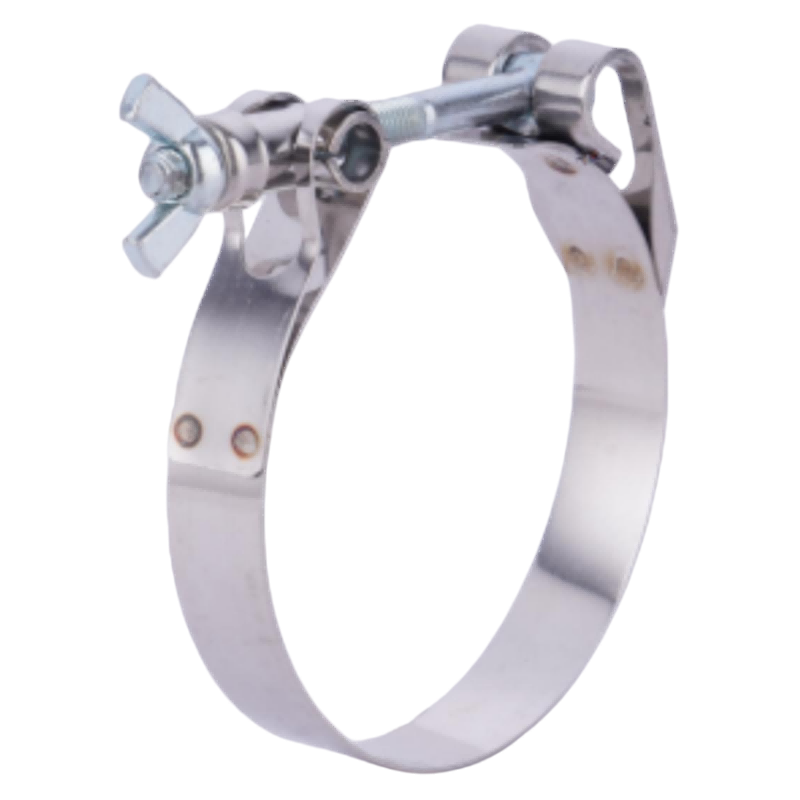
T-clamps are used to firmly hold materials in jobs such as gluing, welding, or assembling large parts. Many workers and DIY enthusiasts use this tool to keep parts stable and aligned. T-clamps are essential in the woodworking, metalworking, and construction industries. They are also widely used in industries such as automotive, aerospace, medical, electrical, plastics, and textiles.
Key Takeaways
- T-clamps help keep parts stable during gluing, welding, or assembly. These clamps can be used in a variety of jobs, including woodworking, metalworking, and construction. When using them, check that the parts are aligned and apply pressure evenly to prevent gaps and create a strong connection. T-clamps are robust and durable, making them ideal for large jobs. Proper cleaning and storage help extend their lifespan.
Main Applications of T-Clamps

Carpentry and Joinery
T-clamps are used in many jobs in carpentry and joinery. These clamps hold boards together when gluing them together. They are also useful when making cabinets or doors. T-clamps keep large projects stable and aligned, resulting in neat and accurate work. These clamps are easy to adjust and quick to install and release. T-clamps are durable because they are very strong.
Tip: T-clamps can apply strong pressure to large areas, eliminating gaps and ensuring even joints.
Metalworking and Manufacturing
Metalworking professionals use T-clamps for welding and machining, as well as sheet metal work. These clamps firmly hold metal parts, which is crucial for fine work. These clamps prevent material from shifting during cutting or grinding. Toolmakers and gun makers also use T-clamps for difficult and precision-requiring work. These clamps help achieve clean welds and smooth surfaces.
T-bar clamps differ from T-bolt clamps. T-bar clamps are used to secure materials for connection or assembly. T-bolt clamps, such as those manufactured by Hengwei Hose Clamps Co., Ltd., are used in automobiles and factories to secure hoses and pipes.
Construction and Assembly
Construction workers use T-bar clamps to build frames. They use them to install panels and assemble large structures. These clamps firmly hold materials in place when tightening or gluing, ensuring all components are aligned and secure. T-bar clamps facilitate heavy-duty work such as installing doors, windows, and wall panels. Workers rely on these clamps because they are robust and reliable.
| Project Type | T Bar Clamp Used For |
|---|---|
| Framing | Holding beams and studs together |
| Panel Installation | Securing wall or floor panels |
| Large Assemblies | Keeping parts aligned during setup |
How T-Clamps Work
Mechanism and Components
T-clamps have a simple design. Their main component is a T-shaped bar, hence the name “clamp.” This bar gives the clamp its strength. The jaws slide along the bar and lock into place when needed. Screws are used to tighten or loosen the clamps. The sliding jaws are suitable for materials of different sizes. The fixed jaws are secured at one end for firmly gripping objects. All these components work together to allow the clamps to easily grip large or heavy objects.
Manufacturers use different materials to manufacture T-clamps. The choice of material affects the clamp’s strength and lifespan. The table below lists commonly used materials and their properties:
| Material | Advantages | Disadvantages | Ideal Applications |
|---|---|---|---|
| Steel | High strength, affordable, easy to find | Heavy, can rust without treatment | Chassis parts, engine mounts, heavy machines |
| Aluminum | Light, resists rust, good for heat | Not as strong, costs more, wears out faster | Light vehicles, boats, electronics |
| Coated | Stops rust, lasts longer, protects from electricity | Costs more, may not fit all jobs, can get scratched | Car exhausts, battery boxes, chemical plants |
Many T-clamps have jaws made of gray cast iron. This material is tough, durable, and not easily broken. The T-bars are usually made of steel, making the clamps even more robust.
Achieving Secure Clamping
T-clamps must firmly grip the material. The user slides the jaws into the desired position and then tightens the screws, pressing down. This prevents the wood or metal parts from shifting. The clamps distribute force over a larger area, helping to prevent damage.
Users encounter some common problems when clamping:
- Applying the right pressure is crucial. Too much pressure weakens the bond, while too little pressure may leave gaps.
- Aligning the wood blocks is essential. This prevents loosening at joints and uneven surfaces.
- Evenly distributing clamp pressure is important. It prevents pressure from concentrating in one point, thus preventing deformation.
Tip: Always check the alignment before tightening the clamps. Even pressure and careful setup are essential for optimal results.
Advantages of T Bar Clamps
Strength and Durability
T-clamps are known for their strength and resilience. They can firmly clamp large or heavy objects without bending. Many workers choose this type of clamp when they need to apply significant pressure. The T-bar provides additional support, preventing the clamp from twisting or slipping. This design helps maintain material stability during bonding, welding, or assembly. T-bolt clamps are also very robust. Their strong structure distributes force evenly. This is crucial for jobs requiring strong strength. These clamps are made of high-strength materials such as stainless steel, which helps extend their service life and prevent rust.
Wide Applications Across Industries
T-clamps are widely used in a variety of industries. Workers use them in woodworking, metalworking, and construction. T-clamps used in these fields can handle wood, metal, and plastics. The table below shows how the clamps help different industries:
| Industry | Material Type | Application Description |
|---|---|---|
| Construction | Type 201 Stainless Steel | Used for fastening in building and heavy machines. |
| Food Processing | Type 304 Stainless Steel | Stops rust for food and drink making. |
| Energy Infrastructure | Type 316 Stainless Steel | Fights rust for marine and offshore projects. |
| Agriculture | Type 201 Stainless Steel | Used in sprayers and tractors with dust and water. |
| Mining | Type 316 Stainless Steel | Used in mining vehicles for safe hydraulic systems. |
Comparison with Other Clamps
T-bar clamps, T-bolt clamps, and hose clamps each have their advantages. The table below compares these clamp types:
| Clamp Type | Strength and Durability | Pressure Handling | Application Suitability |
|---|---|---|---|
| T-bolt Clamps | High | 150-300 PSI | Used for tough and high-pressure jobs |
| Worm Drive Clamps | Moderate | Lower than T-bolt | Good for flexible and cheaper jobs |
| Hose Clamps | Lower | Varies | Used for general jobs, not as strong as others |
T-bolt clamps, such as those manufactured by Hengwei Hose Clamp Co., Ltd., provide strong and even force distribution, suitable for automotive and marine applications. Worm gear clamps are flexible and cheaper, but not as strong as T-bolt clamps. Hose clamps are suitable for simple operations, but not as robust and durable as T-bar clamps or T-bolt clamps. Each type of clamp is suitable for different needs, but T-bar clamps are best suited for heavy-duty and delicate operations.
Applications of T-bar clamps: Real-world examples

Gluing Large Panels
Woodworkers often use T-clamps when gluing large sheets of wood, such as tables, doors, or cabinets. To ensure a strong and even bond, the entire process requires careful steps.
- Preparation: Workers arrange the wood along the grain and mark each piece.
- Dry Fitting: Dry fit is performed before applying glue, checking for alignment.
- Applying Glue: Apply glue evenly to the edges of the sheets.
- Securing with Clamps: Workers secure the T-clamps to the sheets, using polyethylene pads to prevent glue from sticking to the clamps.
- Final Adjustment: After tightening the clamps, check that each sheet can move slightly within the frame. This allows for fine-tuning of the wood.
Some common challenges include keeping the sheets flat and avoiding gaps. Workers use the clamps alternately on the top and bottom of the sheet to distribute pressure evenly. If a panel begins to warp, they loosen the clamps on the warped side. For very large panels, they glue the smaller sections first, then connect these sub-assemblies.
Securing Metal Frames
In the metalworking and construction industries, T-clamps help maintain the stability of metal frames during welding or assembly. For best results, workers must avoid certain mistakes.
- Overtightening can cause soft metal to bend or gaps to appear at joints.
- Insufficient clamps can lead to uneven pressure and weak points.
- Placing clamps on uneven or tilted surfaces can cause the frame to shift.
Note: Always check that the working surface is flat before tightening clamps. Even pressure keeps the frame square and secure.
Using T-clamps in these jobs allows workers better control and precision. They can quickly adjust the clamps and ensure each joint remains tight throughout the work.
T-clamps are reliable tools in many jobs. They perform exceptionally well in woodworking, metalworking, and construction. Professionals appreciate their strong clamping force. These clamps are versatile. The table below illustrates their unique features:
| Feature | Description |
|---|---|
| Exceptional Durability | Made from strong materials, they do not rust or break easily. |
| Secure Grip | Their strong lock keeps materials still during hard work. |
| Versatility | They are helpful in car, boat, and pipe projects. |
FAQ
What are the main differences between T-bar clamps and T-bolt clamps?
T-bar clamps are used to hold materials together, such as for bonding or welding. T-bolt clamps, such as those manufactured by Hengwei Hose Clamps Co., Ltd., are used to secure hoses or pipes to prevent leaks in vehicles or machinery.
Can T-bar clamps be used in woodworking and metalworking?
Yes. Workers use T-bar clamps to secure planks, cabinets, and metal frames. Their robust design makes them suitable for a variety of materials in woodworking and metalworking.
How to choose the right size T-bar clamp?
Users should measure the width of the workpiece. A clamp with an opening wider than the material should be selected. Longer clamps are best suited for large sheets or frames.
How to maintain T-bar clamps?
Clean the clamp after each use. Store it in a dry place. Check for rust or damage. Lubricate the screws and moving parts to keep the clamp running smoothly.