





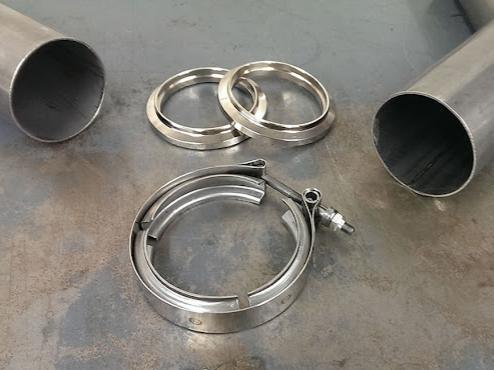
Pipe clamps are also known as pipe ferrules, pipe supports, or pipe brackets. These terms are used to describe devices used to secure pipes. Using the correct names helps buyers and professionals find the right pipe clamps for their projects and avoids confusion.
Key Takeaways
- Pipe clamps, also known as pipe clamps or pipe fasteners, are used to secure pipes. Different types of pipe clamps are suitable for different applications.
- Using the correct terminology to describe pipe clamps can avoid confusion and help people choose the right product for their projects.
- Choosing the right pipe clamp requires considering material compatibility, load-bearing capacity, and environmental conditions.
Pipe Clamps: Names and Types
Common Pipe Clamp Terminology
The names for pipe clamps vary by region. These terms help workers and buyers communicate clearly. The most commonly used terms include: pipe clamp, hose clamp, saddle clamp, and open ring clamp. Some industries use specific names, such as RC clamp or corn clamp, for particular applications.
The table below lists common terms and their meanings:
| Term | Description |
|---|---|
| Pipe Clamp | General word for things that hold pipes to other things. |
| Tube Clamp | Used for holding tubes, which are usually smaller than pipes. |
| Hose Clamp | Round clamp with a screw, used to hold hoses on fittings. |
| Saddle Clamp | U-shaped clamp that goes around a pipe and tightens with a bolt. |
| Split Ring Clamp | Clamp with two parts that bolt together, used for heavy pipes. |
| RC Clamp | Right Angle Beam Clamp, holds pipe at a right angle to a beam. |
| Corn Clamp | Like an RC clamp, used in the electrical field. |
| Korns Clamp | Another kind of right angle beam clamp, used in some places. |
Other Names for Pipe Clamps
Pipe clamps also have other names, such as pipe supports, pipe brackets, pipe hangers, or pipe hangers. Names can vary by region or profession. For example, an electrician might call it a conduit clamp, while a plumber might call it a pipe hanger or pipe clamp. These names may refer to the same thing, but each name represents a different purpose or installation method.
Note: Using the correct name helps people avoid confusion when discussing or purchasing pipe clamps.
Types of Pipe Clamps
There are many types of pipe clamps, each suitable for a specific application. The main types include: adjustable pipe clamps, quick-release pipe clamps, saddle clamps, beam clamps, riser clamps, open-ring clamps, and gear clamps. Each type of pipe clamp has its unique function and purpose.
The table below lists the different types of pipe clamps, their characteristics, and how to use them:
| Type of Clamp | Characteristics | Typical Uses |
|---|---|---|
| Adjustable Clamp | Can change size to fit different pipes. | Used in plumbing and building work. |
| Quick-Release Clamp | Opens and closes fast for quick changes. | Good for setups that change a lot. |
| Saddle Clamp | U-shaped, goes around pipe, tightens with one bolt. | Holds pipes to walls or ceilings. |
| Beam Clamp | Attaches pipes to beams or other structures. | Used in big building jobs. |
| Riser Clamp | Holds up pipes that go up and down, like in tall buildings. | Used in plumbing and fire safety systems. |
| Split Ring Clamp | Two parts bolt together, holds heavy pipes. | Used in plumbing and HVAC systems. |
| Gear Clamp | Uses a screw and band, tightens around pipe or hose. | Used for cars, kitchens, and garden hoses. |
Hengwei Hose Clamp Co., Ltd. manufactures gear clamps suitable for a variety of applications. Their hose clamps can be used to secure coolant hoses, fuel lines, and water pipes, among others.
Pipe clamps are made from different materials to withstand varying weights. Standard pipe clamps are suitable for indoor and light-duty work. Heavy-duty clamps can withstand greater weight. Stainless steel clamps do not rust, making them suitable for outdoor or chemical environments.
Gear Clamp Overview
Gear clamps are a very common and widely used type of clamp. This type of clamp consists of a clamp and a screw. Turning the screw tightens or loosens the pipe or hose. Gear clamps are used in cars, kitchens, and gardens to secure hoses because they form a strong seal to prevent leaks.
Gear clamps come in several types, such as standard, heavy-duty, and T-bolt gear clamps. Standard gear clamps are suitable for most household and light-duty work. Heavy-duty gear clamps are suitable for larger pipes and higher pressures. T-bolt gear clamps use bolts and nuts for added strength and are commonly used in automotive or high-pressure work.
The table below compares gear clamps with other types of clamps:
| Type of Clamp | Load Capacity | Application Environment |
|---|---|---|
| Gear Clamp | Standard to high | Cars, kitchens, gardens, outside |
| Heavy-Duty Clamp | Higher | Big jobs, heavy loads, outside |
| Stainless Clamp | Does not rust easily | Chemical, food, outside |
| Pre-galvanized | Cheap, for inside | Inside jobs |
| Hot-dip Galvanized | Does not rust easily | Outside, wet places |
Hengwei Hose Clamp Co., Ltd. manufactures durable gear clamps. Their clamps are suitable for various applications, including automobiles, trucks, motorcycles, and household use.
Pipe Clamps vs. Fittings
Pipe clamps and fittings serve different functions. Pipe clamps firmly secure pipes to an object, preventing movement. They bear the weight of the pipe and hold it in place. Fittings, such as pipe guides, allow pipe movement or expansion when the pipe is heated or vibrated. They are not as effective at securing the pipe as pipe clamps.
- Pipe clamps: Hold pipes, stop movement, support weight going down.
- Pipe guides: Let pipes move, hold weight, do not stop pipes from getting bigger.
Knowing the difference helps people pick the right thing for their job. Using the right clamp or fastener keeps the piping system safe and working well.
Pipe Support and Related Terminology
Pipe Supports vs. Pipe Clamps
A pipe support is any device used to support pipes and bear their weight. A pipe clamp is a type of pipe support that firmly holds a pipe in place, preventing it from moving. There are many types of pipe supports, such as hangers, brackets, and saddles. The function of a pipe clamp is to fix the position of the pipe. Some pipe supports allow some movement of the pipe when heated or shaken. Pipe clamps, on the other hand, usually completely prevent pipe movement.
Pipe Hangers vs. Pipe Supports
Pipe hangers and pipe supports are also types of pipe supports. Pipe hangers suspend pipes from the ceiling or beams, typically allowing slight movement. Pipe supports, however, secure pipes to walls or other flat surfaces, providing strong support and maintaining pipe stability. The table below lists the differences between pipe hangers and pipe clamps:
| Feature | Pipe Hanger | Pipe Clamp |
|---|---|---|
| Primary Function | Supports and allows movement | Secures pipe in a fixed position |
| Pipe Size | Larger diameter pipes | Smaller diameter pipes |
| Load Capacity | Higher | Lower |
| Complexity | More complex | Simpler |
Pipe clamps and pipe supports
Pipe clamps and pipe supports are small pipe support devices. Pipe clamps are secured to the pipe by snapping on it, keeping it stationary. Pipe supports may have a base or bracket for added strength. Both are easy to install and suitable for light-duty work.
Common materials for pipe clamps
Pipe clamps are made from different materials depending on their application. Common materials include:
- Carbon steel: Very strong and lasts a long time. Good for heavy pipes.
- Stainless steel: Does not rust and is good for wet or outside jobs.
- Aluminum: Light and does not rust. Used in building and power work.
- Plastic: Light, does not carry electricity, and is cheap. Best for small jobs.
- Brass and copper: Do not rust and carry heat. Used a lot in plumbing.
Good materials and coatings help pipe supports last longer, even in tough places.
Identifying and Specifying Pipe Clamps

Use the Correct Terminology
Using the correct terminology to describe pipe clamps is crucial. Workers and buyers use a wide variety of names for pipe clamps. Using the correct names helps avoid errors.
Tips for Choosing Pipe Clamp Types
Choosing pipe clamps depends on several key factors. The table below lists the things to consider:
| Factor | Description |
|---|---|
| Material Compatibility | The clamp material should match the pipe to stop rust and last longer. |
| Impact of Thermal Expansion | The clamp must let pipes move when temperatures change. |
| Pipe Diameter and Load Capacity | The clamp size must fit the pipe and hold its weight. |
| Environmental Conditions | Outdoor clamps need to handle weather and chemicals. |
| Compliance with Industry Standards | Clamps should meet safety rules and standards. |
Before selecting clamps, always check the pipe material. For example, using stainless steel clamps on copper pipes may cause rust. In busy locations, choose clamps that meet standards such as ANSI/MSS SP-58 or RAL-GZ 655/B to ensure safety. The load-bearing capacity of the clamps is also important. Some clamps secure pipes, while others allow pipes to move when heated.
How to Choose Size and Material
To select the right clamp, you need to know the size and material of the pipe. Measure the outer diameter of the pipe using a tape measure or vernier calipers. Use the following formula: ND = circumference ÷ 3.1416. For thick-walled pipes, add twice the wall thickness to the diameter. Always ensure that the clamp material matches the pipe material. For example, carbon steel clamps are suitable for steel pipes. Stainless steel clamps will not rust in humid environments.
Learning the names and types of pipe clamps helps people choose the right clamps. Using the correct names can improve work efficiency and facilitate clear communication. The benefits of doing so include:
- It fits woodworking and plumbing jobs better
- There are fewer mistakes when picking clamps
- The pipes connect stronger and safer
- It is easier to put together and things break less
FAQ
What is the difference between pipe supports and pipe hangers?
Pipe supports are used to secure pipes and bear their weight. Pipe hangers suspend pipes from above. Both are essential in pipe hanger assemblies.
When should gear clamps be used instead of pipe hangers?
Gear clamps are used to securely fasten hoses or pipes. Pipe hangers are used to support pipes on ceilings or beams. Gear clamps are suitable for situations requiring a tight seal, while pipe hangers are suitable for situations requiring vertical support.
What are some common pipe connection methods in pipe hanger assemblies?
Common connection methods include pipe saddles, pipe covers, pipe shoes, pipe rollers, and worm gear hose clamps. Each pipe connection method serves to support and stabilize pipes in different situations.