






Spring-loaded hose clamps will wear down over time. Various factors, such as continuous pressure, humidity, or high temperatures, can cause this. Experts point out that metal fatigue and rust are the main causes of wear. Hengwei Hose Clamp Co., Ltd. manufactures clamps that are robust, durable, and have a longer service life, suitable for various applications.
Key Takeaways
- Spring-loaded hose clamps will wear down over time. This is due to metal fatigue, rust, and frequent use. Regular inspection helps detect problems early.
- Inspect the clamps for damage such as cracks or rust. Replace any damaged clamps to prevent leaks and other problems.
- Choose robust and durable materials such as stainless steel for better rust resistance. This helps extend the life of the hose clamps.
- Inspect the hose clamps twice a year. If you use them frequently or after maintenance, you should increase the frequency of inspections. This ensures the clamps remain tight.
- Regular cleaning and replacement of clamps is very important. Good maintenance ensures the safety and proper operation of the hose and clamp system.
Spring Hose Clamp Wear
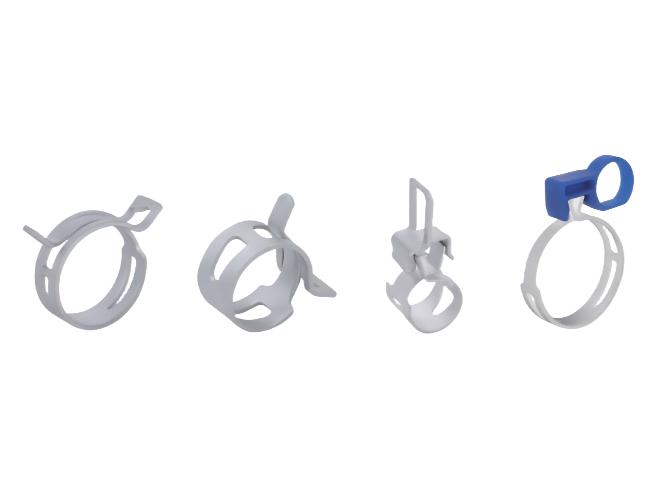
Metal Fatigue
Metal fatigue refers to the phenomenon caused by repeated stress on spring hose clamps over a long period. Each time the clamp is tightened or loosened, the metal bends slightly. This bending leads to micro-cracks that gradually widen with repeated use. When the cracks become large enough, the clamp’s strength decreases, and it can no longer securely connect the hose and clamp together. This can lead to leaks or even hose detachment. Many people have noticed this problem in older vehicles or frequently used garden tools.
Corrosion Issues
Corrosion is another common cause of wear on hose clamps. In places like cars and gardens, moisture and chemicals corrode metal. When water and air come into contact with the clamp, rust forms, making it brittle and fragile. Sometimes, chemicals in road salt or fertilizer can accelerate this process. Stainless steel hose clamps offer better corrosion resistance than other types of clamps. Hengwei Hose Clamps Co., Ltd. uses weather-resistant materials that maintain stable performance even in harsh environments. Their clamps are suitable for humid environments such as kitchens, gardens, and even cars, and work effectively even when exposed to water and chemicals. Users of these clamps will find less rusting and more durable connections.
The Effects of Reuse
Repeated use can cause hose clamps to deform. Overtightening, impacts, or prolonged use can all cause clamps to bend or stretch. When this happens, the clamp may not be able to evenly press the hose against the clamp, creating gaps and leading to leaks. Sometimes, the clamp may even loosen to the point of not clamping the hose and spinning freely. These are all signs of aging hose clamps. Users should regularly check the connection between the hose and the clamp, especially in high-intensity environments. Hengwei Hose Clamps tests its products to ensure they can withstand vibration and high temperatures. Even after repeated use, its hose clamps firmly secure the hose.
Common Mechanisms of Wear in Hose Clamps:
- Loss of tension can let the hose pull away from the pipe, causing leaks.
- Corrosion weakens the metal, making it likely to crack or snap.
- Physical deformation from over-tightening or impact can stop the clamp from working right.
- Worn gear teeth can make the clamp lose grip.
- A loose clamp that spins or moves easily shows lost tension.
Bad hose clamps often show these problems. Regular checks and choosing quality products like Hengwei Hose Clamp Co., LTD. can help avoid these issues and keep hose and clamp systems working well.
Spring Hose Clamp Failure Signs
Visible Damage
People can spot visible damage on hose clamps during routine checks. Cracks, bends, or rust patches often show up first. A hose and clamp system with these signs may not work well. Sometimes, the clamp looks stretched or has sharp edges. These marks mean the clamp has faced too much stress or has started to corrode. Bad hose clamps with visible damage should be replaced right away. A damaged hose clip can lead to a leaking hose or even a sudden failure.
Tension Loss
Tension loss happens when a clamp cannot grip the hose tightly. This problem often appears after many uses or heat cycles. Mechanics and DIYers can check for tension loss by following a few steps:
- Clean both the pipe and the inside of the boot to stop slippage.
- Look for nicks on pipes and tears on boots, since no clamp can fix a torn coupler.
- Make sure the boot sits fully and straight for a good fit.
- Place the clamp behind the bead if the pipe has one, which helps prevent movement.
- Align the clamp square to the pipe for even pressure.
- After the engine warms up and cools down, check for shifting or leaks.
People should also inspect hose and clamp connections after big repairs or upgrades. A quick look for oil mist at boots or crust at coolant hose ends during oil changes can help catch problems early. Bad hose clamps often lose tension at joints near hot parts like turbos or radiators.
Tip: Listen for a hiss under load or watch for low power. These signs may point to tension loss and a leaking hose.
Leaks and Loosening
Leaks and loosening are clear signs of problems with hose and clamp systems. Water, coolant, or oil may seep from the hose end. Sometimes, the clamp may rotate easily or move without force. This means it is not securing the hose in place. Poor-quality hose clamps often cause these problems, especially after repeated hot and cold cycles or heavy-duty use. Coolant scale or oil stains may be seen near the hose end. If left unaddressed, these leaks can lead to bigger problems. Regular inspections help detect leaks before they damage the hose.
Clamp Lifespan Factors
Material Quality
The kind of material used matters a lot for hose clamps. If the clamp is made from good metal, it will last longer. Stainless steel does not rust or break as easily as cheap metal. Hengwei Hose Clamps use strong metal to stop early damage. In cars, these clamps keep hoses tight, even when engines get hot. In kitchens, stainless steel clamps stop water from leaking out of pipes. Garden hoses also need tough clamps that do not rust, even after lots of rain. People who pick good materials have fewer problems and their hose and clamp connections last longer.
- Good materials do not rust easily.
- Strong metal keeps its shape after many uses.
- Good clamps work in hot and cold places.
Environmental Impact
Where you use a hose and clamp can make it wear out faster. Outside and in cars, clamps get wet, dirty, and hit by chemicals. These things can make the clamp rusty and weak. The table below shows how different things can hurt hose clamps:
| Factor | Description |
|---|---|
| Environmental Exposure | Clamps outside or in factories get wet, dirty, and rusty faster. |
| Material Composition | Cheap metal or metal that rusts easily wears out faster. |
Hengwei hose clamps perform exceptionally well in a variety of harsh environments. In the garden, they hold hoses firmly in place even after heavy rain. In the kitchen, they are not damaged by water or cleaning agents. People trust these clamps to handle car use, even on salted roads in winter. Inferior hose clamps are more prone to damage in harsh environments.
Frequency of Use
The frequency of use of hoses and clamps affects their lifespan. Frequent disassembly and reassembly of clamps can cause them to wear down. Over time, the springs may lose their elasticity and fail to hold the hose securely. People who use garden hoses daily or frequently repair cars should regularly check their hose clamps. Regular inspection helps detect damaged clamps before leaks occur. Hengwei hose clamps are durable and ideal for busy homes and shops.
Tip: Check your hose clamps often and take care of them. This helps them last longer and stops leaks.
Replacing Spring Hose Clamps
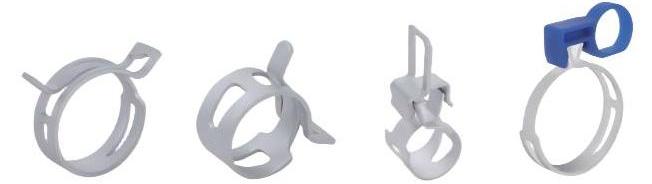
Inspecting Spring-Loaded Hose Clamps
Regularly inspecting hose and clamp systems helps keep them in good working order. Check for any signs of damage or wear. Rust or corrosion can weaken hose clamps. Mechanics and DIY enthusiasts should check for cracks, bends, or deformation. If a hose clamp appears stretched or has sharp edges, it may need to be replaced. Checking for corrosion is especially important in harsh environments such as cars or gardens. Regular inspections help detect damaged hose clamps before leaks occur.
- Inspect the hose and clamp for visible damage.
- Check for rust or corrosion, especially in wet or dirty areas.
- Look for cracks or worn spots on the clamp band.
- Make sure the clamp is not loose or misaligned.
- Inspect the hose under and around each clamp.
When to Replace Spring Hose Clamps
Replacing hose clamps at the right time prevents leaks and bigger problems. Industry guidelines suggest checking clamps at least twice a year. People should also check hose and clamp connections during oil changes or coolant flushes. For machines that shake a lot or face chemicals, checking every three months is smart. After any event that could stress the system, like overheating, an immediate check is best.
Routine care prevents leaks that might lead to engine damage or spills. Investing time in maintenance is far cheaper than fixing a burst hose or a flooded engine bay.
If hose clamps are found to be deformed, stuck, or visibly corroded, they should be replaced immediately. The strength of the clamps may decrease after thermal events such as overheating. Inferior hose clamps can lead to leaks, overheating, and even brake failure. Timely repair of inferior hose clamps ensures system safety.
Maintenance Recommendations for Spring-Type Hose Clamps
Good maintenance helps extend the service life of hose and clamp systems. It is recommended to inspect clamps at least twice a year, especially before and after high-intensity use. Cleaning clamps with warm soapy water and a soft brush can remove dirt and prevent rust. Timely replacement of worn or corroded clamps can prevent malfunctions. In high-vibration environments, it is recommended to inspect them every three months. Developing a maintenance plan based on system operating frequency and the type of fluid used helps avoid unexpected situations.
- Regular inspection of hose clamps is crucial to prevent failures.
- Replacing bad hose clamps can prevent serious issues like fluid leaks.
- Repairing bad hose clamps keeps engines and machines running well.
- Constant tension hose clamps work well in places with changing temperatures.
A thorough understanding of the system helps with proper maintenance and replacement. People who follow these habits keep their hose and clamp connections strong and safe.
Checking spring hose clamps often and changing them when needed keeps things safe. Good clamps, like the ones from Hengwei Hose Clamp Co., LTD., use stainless steel. This metal is strong and does not rust easily. These clamps work well in hard places and last a long time. Some clamps have special features that help them stay tight. People should look at their clamps when they do regular checks. Picking good brands helps hose connections last longer and stops leaks.
FAQ
How often should spring hose clamps be inspected?
People should have spring hose clamps inspected at least twice a year. Mechanics recommend checking them during routine maintenance. Gardeners and car owners who use the hose daily may need to inspect them more frequently.
What tools can help remove worn spring hose clamps?
Mechanics use pliers or a specialized hose clamp tool. These tools can grip the end of the hose clamp, making removal easy. Always wear gloves for safety.
Is a rusty hose clamp safe to use?
A rusty hose clamp may not be secure. Rust weakens the metal and can cause leaks. Rusty hose clamps should be replaced immediately to prevent hose damage.
What signs indicate that a hose clamp needs replacing?
| Sign | What to Look For |
|---|---|
| Cracks | Small lines in the metal |
| Rust | Orange or brown patches |
| Loose Fit | Clamp spins on the hose |
| Leaks | Fluid around the clamp |
Do all hose clamps fit every hose size?
Not all clamps fit every hose. People should check the clamp size before buying. The package or product label lists the size range.