





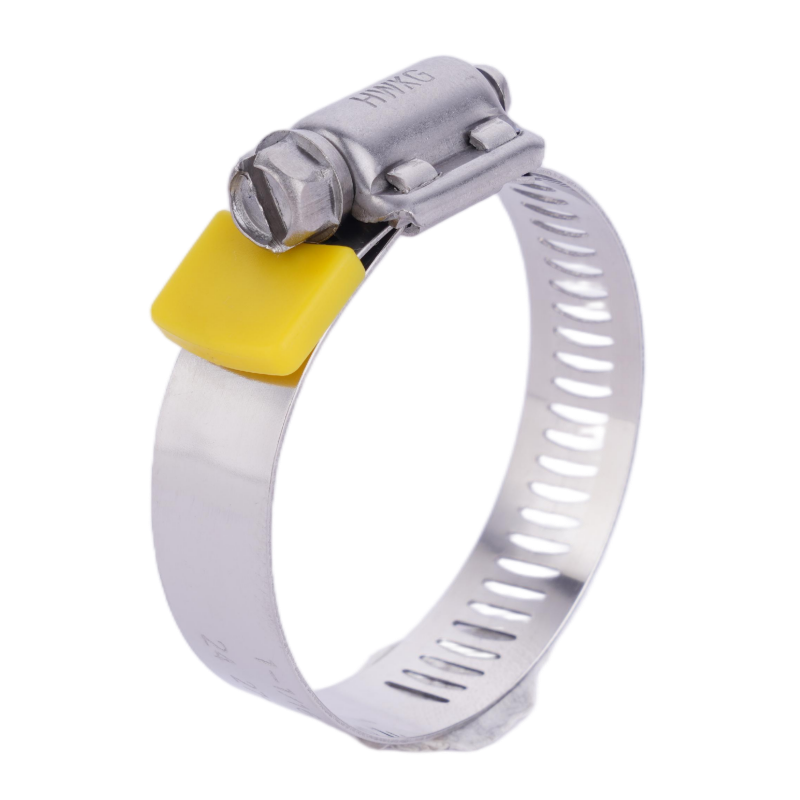
Worm gear hose clamps remain among the most reliable clamps for low and medium pressure applications. Mechanics rely on them for home plumbing repairs and garden irrigation systems. These simple hose clamps make everyday home maintenance much easier. Choosing the right hose clamp can prevent leaks, but overtightening can damage the hose.
Key Takeaways
- Worm gear hose clamps safely tighten low and medium pressure pipes using simple hand tools.
- Do not tighten these clamps too much, so you can protect soft hoses from getting cut or damaged forever.
- Pick top-quality stainless steel clamps to stop rust when using them outdoors or in wet places.
Advantages of Using a Worm Gear Hose Clamp
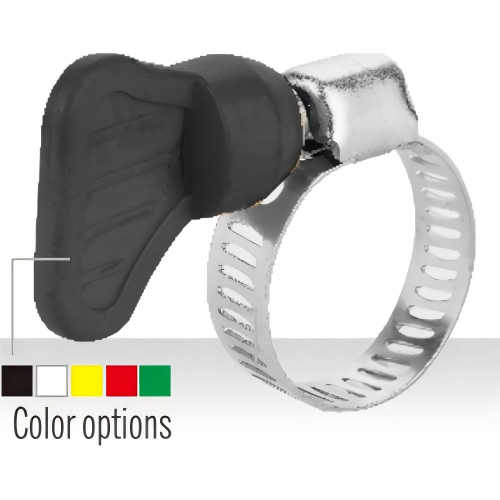
Worm gear hose clamps provide great physical benefits for many piping tasks. These tools feature a trapped screw inside a connected housing. The screw threads fit directly into slots cut along the metal band. Turning the screw pulls the band tighter around your target tubing. This design creates equal pressure around the entire connection point. Mechanics often pick classic worm gear clamps for low and medium pressure plumbing jobs.
Powerful Clamping Force and Adjustability
Built-in screws provide impressive clamping force during use. Simply tighten the screws to increase external pressure on the connection area. This controlled pressure presses the rubber material firmly against the internal fitting. This strong compression creates a tight barrier to prevent leaks. Proper tightening ensures a good seal in various working environments. Machinists appreciate this clamp design because it securely holds the hose under normal pressure.
The high adjustability of these fasteners makes them highly practical for a wide range of jobs. The perforated metal band extends to accommodate various pipe sizes. Workers no longer need to search for precisely sized clamps for every repair. A single worm gear hose clamp easily accommodates a variety of different pipe sizes. This flexible adaptability means you don’t need to store multiple clamps of specific sizes in your shop. Standard hose clamps can be smoothly adjusted over a wide range of sizes.
Users can set precise clamp widths for optimal performance. The metal band distributes clamping force evenly and prevents slippage. Once tightened, the internal mechanism securely holds the hose in place. Due to this characteristic, these hose clamps have always been the preferred choice for vehicle piping and hose connections.
Quick and Easy Tool Installation
Installing standard hose clamps requires almost no special equipment. Workers can typically complete the installation using simple hand tools. A standard flathead screwdriver can easily be inserted into the screw groove. Additionally, a socket wrench or nut wrench can directly tighten hex screws. These basic tools allow for quick installation of hose clamps even in confined spaces where larger tools are inaccessible.
This easy installation method helps home users quickly install hose clamps. DIY enthusiasts can complete repairs without purchasing expensive specialized tools. DIY enthusiasts simply need to slip the open clamp over the fluid line, align the connector, and then tighten the screw to the right. Flexible hose clamps facilitate the connection of a wide variety of fluid lines.
Repair teams save significant time during routine equipment checks. Standard hose clamps allow for quick removal during emergency repairs. Workers can immediately loosen the outer ring by simply tightening the top screw to the left. Modern repair shops choose these reliable hose clamps for quick repairs, consistent pressure, and reliable everyday use. Reliable hose clamps ensure the safe operation of critical systems without requiring any cumbersome procedures.
Worm Gear Hose Clamp Applications
Automotive and Piping Seals
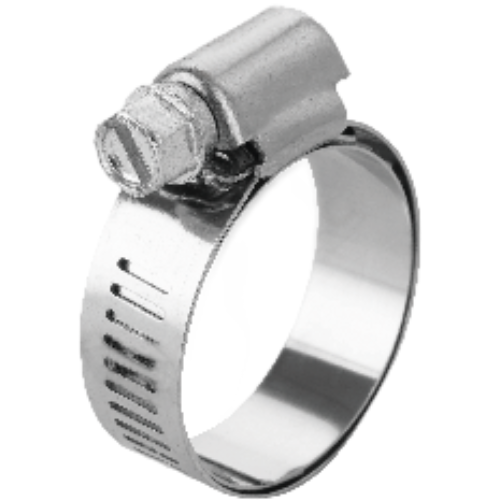
Automotive engines require robust fasteners to securely hold coolant lines and vacuum hoses. Mechanics use hose clamps on the ends of rubber hoses to prevent fluid leaks during driving. A single worm gear hose clamp maintains stable pressure around the radiator hose under normal driving conditions. Vehicle systems rely on these tight seals to prevent leaks of critical fluids.
Modern home plumbing systems also frequently utilize these simple metal components. Plumbers use robust hose clamps to secure drain pipes and hoses to prevent costly fluid damage. These practical fasteners prevent expensive leaks in the home. Therefore, plumbers typically choose these reliable components for both routine plumbing repairs and emergency repairs.
Industrial and Home Repair Projects
Factory and processing plants use hose clamps in many different demanding jobs. Factory workers use these versatile fasteners to accomplish several important daily tasks:
- Plumbing
- HVAC
- Automotive
- Other industrial applications
In busy factory spaces, workers hook flexible hoses right onto air ducts and main valves. The adjustable metal band seals fluid paths across many types of working lines.
Homeowners often choose hose clamps for fast do-it-yourself fixes. DIY fans easily fix garden watering systems without paying professional plumbers. These flexible bands tighten lines in small yard setups and big farm watering systems. Also, homeowners put these fasteners on basic lawn lines to keep hose pipes attached firmly. These strong parts protect outdoor watering lines and keep home plumbing running smoothly every day.
Worm Gear Hose Clamp Limitations
Worm gear clamps offer great versatility for everyday repairs. However, users must understand the physical limits of these mechanical fasteners. Specific operating conditions require careful hardware selection to prevent system failures.
Overtightening and Hose Shear Risks
Incorrect installation is a major risk during standard assembly. Applying excessive tightening torque can force the perforated tape into soft materials. Metal grooves can cut directly into soft rubber surfaces. Sharp tape edges can cause severe structural damage to extremely fragile silicone tubing. These basic designs are also unsuitable for high-pressure hydraulic lines, as the extremely high fluid pressures can deform the hoses.
Incorrect tightening leads to uneven stress on the inner walls. This localized pressure weakens the hose over time. Operators often apply extra force to stop small fluid leaks. Unfortunately, excessive force can damage the threads. Components with damaged threads quickly lose tape tension. Mechanical failure occurs when the internal tape fails to clamp the hose.
Worm Gear Mechanisms and Spring Clamps
Temperature variations highlight the critical differences between rigid fasteners and spring designs. During vehicle operation, the engine compartment undergoes intense thermal cycling. High temperatures cause metal joints and rubber materials to expand. Low temperatures cause these components to contract.
Standard worm gear hose clamps maintain a fixed tape diameter. Rigid worm gear mechanisms cannot adapt to dynamic dimensional changes. When the engine is running, the outer ring tightly compresses soft materials. Rubber materials undergo permanent deformation under high pressure. Therefore, when the connection cools, the outer ring loses its clamping force.
Constant tension spring devices continuously expand and contract. Spring steel maintains uniform external pressure even under dynamic temperature changes. Without the action of an active spring, standard hose clamps struggle to function in extreme high-temperature environments. Engineers compare different types of hose clamps to optimize the performance of the entire system. Assessing chemical and thermal compatibility prevents premature pipe failure.
Laboratory testing sets clear pressure limits for worm gear mechanisms. The following table details the specific pressure ranges:
| Condition | Pressure Rating (PSI) |
|---|---|
| Burst pressure (ideal lab) | 50–150 |
| Safe working pressure (ideal lab) | 30–60 |
| Real-world (hot engine bay) long-term reliable | 30–50 |
| Lab test (9/16-inch clamp on 1-inch hose) | 80–120 before slip/strip |
Running systems past safe limits leads to fluid leaks. Mechanics choose exact parts to manage sudden pressure jumps. Stronger fasteners keep heavy lines fully secure. Picking good parts ensures steady, long-lasting results. Reliable fasteners protect important tools and machinery. Service teams check these clamps during regular maintenance. Workers swap out broken parts right away. Good quality clamps hold tight joints firmly. Basic clamps handle simple home plumbing tasks. Tough clamps stop pipes from snapping apart. Factories trust these simple clamps to move liquids safely. Staff members check fasteners often to keep workers safe. One strong clamp keeps important valve joints secure under heavy movement.
Selecting Quality SWorm Gear Hose Clamp
Material Grades for Corrosion Resistance
Picking the right hose clamp means matching metal types to your environment. Outdoor water systems, boats, and factory lines need strong rust protection. Plain steel parts rust fast when exposed to water or damp air. However, high-grade stainless steel protects inside parts from rust damage. Standard salt spray tests show 304 stainless steel resists salt water for 120 hours before showing rust stains. Grade 316 stainless steel offers even better protection in rough ocean water.
Global industry rules guarantee good quality for heavy work. Rules like ISO 14540 set exact design and performance needs for fluid lines. Factory plants run ISO 9001 quality systems along with IATF 16949 car standards. Using proper metal grades keeps connections tight over many years of use.
HWKG Precision Clamping Solutions
Hengwei Hose Clamp Co., LTD. makes stainless steel parts using the HWKG brand name. This company brings more than 20 years of technical experience to fluid pipe systems. HWKG builds each worm gear hose clamp to handle continuous shaking. A carefully made worm gear system moves the band smoothly around pipes. Product choices feature metal bands fitted with soft EPDM rubber liners. These padded clamps soak up bumps and shield pipe surfaces from damage.
HWKG parts work safely alongside regular rubber lines without chemical damage. Mechanics place these proven hose clamps inside heavy cars, boats, and home water systems. Buying good hose clamps guarantees your equipment lasts a very long time. Dependable hose clamps stop expensive water leaks inside big factory plants. Strong hose clamps provide steady holding power. Top-quality hose clamps keep pipes locked safe. Updated hose clamps improve system working. Flexible hose clamps tighten with ease. Smart hose clamps stop outer scraping. Tough hose clamps help machine lines work continuously.
Worm gear hose clamps remain an indispensable standard for everyday repairs. Proper hose clamp selection requires evaluating system pressure, temperature shifts, and hose materials. Standard hose clamps easily prevent every fluid leak during basic DIY projects. Meanwhile, demanding industrial applications require high torque hose clamps. HWKG stainless steel models deliver exceptional strength and reliability.
FAQ
What are the main options for household hose clamps?
People choose different types of hose clamps depending on their home plumbing and yard watering needs. Easy-to-adjust worm gear hose clamps and custom-made hose clamps provide a secure hold on hoses.
Are worm gear hose clamps suitable for water supply systems?
Yes, workers use these hose clamps in farm water supply lines and home watering systems. Standard hose clamps prevent leaks during any plumbing work.
Why is hose material important when choosing hose clamps?
Choosing a hose clamp that matches the type of hose ensures a tight seal. Using robust stainless steel hose clamps protects the hose. High-quality hose clamps prevent damage to pipes in complex water supply systems and home plumbing.