






Hubless pipe fittings use clamps to connect drain pipes, sewage pipes, and ventilation pipes, achieving a tight connection. Data shows that hubless pipe fittings are most commonly used in above-ground piping systems. They facilitate quick and safe pipe installation. The table below lists common connection methods for cast iron pipes:
| Connection Method | Description | Applications |
|---|---|---|
| Hub-and-Spigot | Bell and spigot design for strong joints | Underground sewer, repairs |
| No-Hub | Plain ends with clamps | Above-ground DWV systems |
| Grooved | Keys fit into pipe grooves | Strong, high-pressure systems |
Key Takeaways
- Hubless fittings cannot be welded. These components are connected using clamps, not welding.
- Welding will damage the material of the hubless fitting. High temperatures will melt the gaskets, reduce the clamp strength, and lead to leaks.
- Always follow the manufacturer’s instructions and adhere to piping specifications. Proper installation ensures safety and prevents piping problems.
- Installing hubless fittings is simple. Clean the pipes, use the appropriate tools, and follow each step to achieve a secure connection.
- Choose the appropriate fittings based on your needs. Hubless fittings should be used for cast iron pipes. Hoses should be fitted with hose clamps.
Why You Should Not Weld No Hub Couplings
Design and Material Considerations
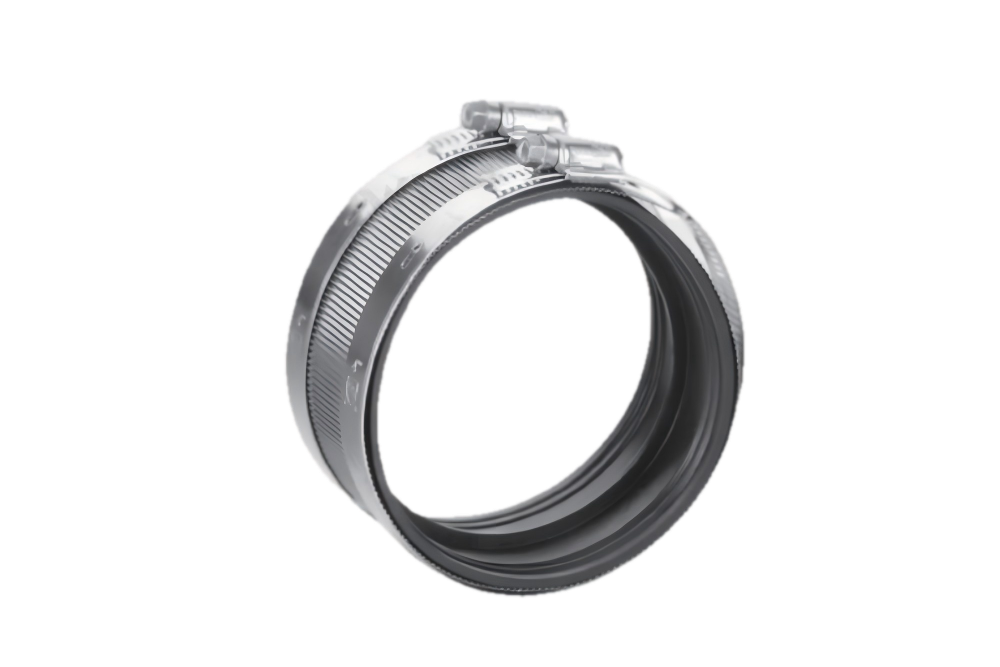
People often wonder if seamless joints can be welded to pipes for a stronger seal. This idea seems logical, but it’s actually not feasible. These joints are not designed for welding. Welded seamless joints use a mechanical connection system to connect pipes. The components are connected by clamps and sleeves, not by molten metal.
The materials used in welded seamless joints are not heat-resistant. Each component has a specific purpose:
- Gasket: Made of neoprene. This material remains flexible and is resistant to chemical corrosion. Even when exposed to the high temperatures of welding, it will not melt or stick together.
- Sleeve/Clamp: Made of stainless steel, typically 300 series. This metal is rust-resistant and strong. Welding would damage and deform this thin layer of steel.
If someone attempts to weld a seamless joint, the high temperatures will damage the gasket. The clamp may lose strength or accelerate corrosion. The joint will not seal properly and leaks may occur. The mechanical connection design is effective because it maintains the tightness of the gasket and the strength of the sleeve.
Manufacturer and Specification Guidelines
Manufacturers provide clear installation instructions for welded seamless joints. Welding is not permitted. Their guidelines emphasize the use of clamps and guards to ensure secure connections.
CISPI 310 and ASTM C564 standards provide guidelines for this type of connection. These specifications require mechanical connections, not welding. If someone attempts to weld a seamless weld joint, the connection is non-compliant. Inspectors will not approve such connections.
Users should always follow the manufacturer’s and piping specifications. This ensures a leak-free system. Seamless weld joints will only function properly if installed as designed.
Risks of Welding No Hub Couplings
Damage and Safety Hazards
Welding hubless joints can cause serious problems for piping systems. These joints are not designed to withstand the high temperatures involved in welding. If someone attempts to weld them, the internal rubber gaskets may melt or burn. This can lead to leaks and reduce the strength of the joint.
Welding also presents numerous safety hazards. It uses open flames and high-temperature tools. If workers do not promptly remove flammable materials, a fire can spread rapidly. The table below lists some of the safety hazards associated with welding in piping areas:
| Safety Hazard | Description |
|---|---|
| Fire Risks | Things to be welded must be moved to a safe place. If not, fire hazards must be protected. Welding should not happen near things that can burn. |
| Equipment Handling | Gas must be turned off during breaks. Hoses should be taken out of small spaces to stop accidents. |
| Fire Watch | A trained fire watch must be there if normal safety steps are not enough. This keeps people safe after work is done. |
Code Violations and Plumbing Failures
Using welded joints instead of clampless joints typically violates plumbing codes. Most building codes require mechanical connections for this type of connection. Inspectors will check for proper installation and will not approve welded joints. Some common violations include:
- Using clampless joints where codes require clamped joints.
- Not complying with local plumbing codes, as codes may vary from town to town.
- Not hiring a certified plumber who understands the correct standards.
Failure to comply with these codes can lead to plumbing system malfunctions. Leaks, water damage, and costly repairs are all possible. Clampless joints work best when used correctly and without welding. Proper installation ensures the safety of your home and building.
How to Install No Hub Couplings
Step-by-Step Installation
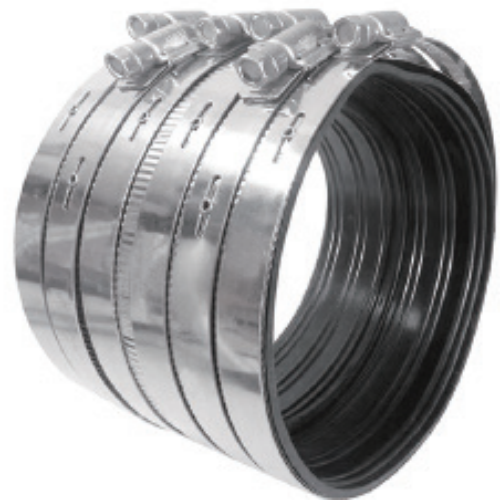
Getting no hub couplings in place is easy if you get ready first. These couplings use clamps and shields, not welding, to stop leaks. Here is a simple way to do it:
- Clean the ends of the pipes. Take off any rust or sharp bits.
- Put the rubber sleeve on one pipe.
- Line up the pipes so they touch and match up.
- Put the gasket in the middle of the joint.
- Put the steel shield over the gasket.
- Use a torque wrench set to 60 inch-pounds. Tighten the bolts in a crisscross pattern.
- Check the joint. Make sure the gasket is pressed down the same all around. The shield should fit tight. Look for leaks.
Doing these steps helps make a strong and lasting joint for hubless pipes.
Tools and Materials Needed
Having the right tools and parts makes the job better. The table below shows what you need for no hub couplings:
| Tool/Material | Description/Specification | Quantity |
|---|---|---|
| Elastomeric Gasket | Single-piece molded neoprene compound | 1 |
| Corrugated Shield | 301 AISI stainless steel with corrugations | 1 |
| Worm Gear Clamps | Stainless steel adjustable bands | 2-6 (varies by size) |
| Sealing O-Rings | Integrated beneath each clamp | As needed |
| Installation Hardware | 5/16″ hex head screws | As needed |
| Torque Wrench | Pre-calibrated to 60 in/lbs | 1 |
Common Mistakes to Avoid
Some people make mistakes that lead to leaks or other problems. Here are some things to note and corresponding solutions:
- Not using pipe securing devices can cause pipes to loosen and fall off.
- Incorrect torque or uneven bolt tightening can cause leaks.
- Misaligned pipes or misaligned gaskets will shorten the lifespan of the joint.
If installed correctly, hubless joints will function properly and have a longer lifespan.
Alternatives to Weld No Hub Couplings
Approved Pipe Connection Methods
Plumbers have several methods for connecting cast iron pipes without welding. Each method has its own advantages and disadvantages. The two most common methods are socket joints and non-socket joints. The table below compares these methods:
| Method | Description | Pros | Cons |
|---|---|---|---|
| Hub and Spigot Joints | Traditional method for cast iron pipes, involves sliding spigot into hub and sealing with oakum and lead. | Extremely durable, excellent noise dampening, tradition for historic renovations. | Labor-intensive, safety concerns with molten lead, less common in modern construction. |
| No-Hub Couplings | Modern method using neoprene sleeves and stainless-steel clamps. | Faster installation, allows slight movement, no lead required. | Less traditional, clamp quality varies, requires correct torque. |
Socket-type fittings use bell-shaped and straight ends. Workers fill the joint with hemp fiber and then pour molten lead to seal it. This method is durable, especially suitable for older buildings. Socketless fittings use rubber sleeves and metal covers. Installers simply tighten the clamps to create a leak-proof seal. This method is time-saving, labor-saving, and eliminates the need for heat-fusion materials.
When to Use Plumbing Couplings or Hose Clamps
Pipe fittings are used to connect pipes of the same or different sizes. They are suitable for various materials, such as cast iron, PVC, or copper. Hubless fittings are a type of pipe fitting specifically designed for cast iron pipes. Installers use them for drainage, sewage, and ventilation systems. These fittings make maintenance and new installations easier.
Hose clamps, such as those manufactured by Hengwei Hose Clamps Co., Ltd., are used to secure hoses in cars, kitchens, and gardens. They allow the hose to connect tightly to the fitting and prevent leaks. However, never use hose clamps to connect cast iron pipes. Hose clamps cannot provide the strength and seal required for heavy-duty pipes.
Bowelding hubless fittings is not permitted by pipe specifications and manufacturer instructions. Mechanical connections are safer and easier. Pipe specifications stipulate that welding requires specialized skills. Welded joints are difficult to disassemble if maintenance is needed. Installers must adhere to the rules and instructions. Otherwise, legal disputes or safety issues may arise. For complex piping projects, it is best to seek the help of professionals. This helps ensure that the pipes are leak-proof and function properly.
FAQ
What are hubless fittings used for?
Gallonless fittings are used to connect cast iron pipes in drainage, sewage, and ventilation systems. They help plumbers quickly connect pipes. These fittings use clamps and gaskets to achieve a tight seal. Hubless fittings are best suited for piping projects above ground.
Can all fittings be welded?
Welding is not suitable for most pipe fittings. Most fittings, such as hubless fittings, require a mechanical connection. While some metal fittings in industrial environments can be welded, piping codes do not permit the use of welded connections for cast iron fittings in residential applications.
How to choose the right fittings for a project?
One should consider the material, size, and type of project for the pipes. Fittings come in various shapes and sizes. Plumbers select fittings that match the pipes and comply with regulations. Using appropriate fittings helps prevent leaks and ensures system safety.
Are hose clamps and fittings the same?
Hose clamps and fittings are not the same. Hose clamps are used to secure hoses to barbed ends or connectors. Fittings are used to connect pipes or change the direction of pipes. Plumbers use fittings to ensure secure and leak-proof connections. Hose clamps are best suited for flexible hoses and not for cast iron pipes.
Why should plumbing codes be followed when using fittings?
Plumbing codes are designed to ensure personnel safety and prevent leaks. Codes specify which fittings should be used for each job. Inspectors may not approve work if incorrect fittings are used. Following codes and using the correct fittings helps extend the lifespan of buildings and ensures their safety.