





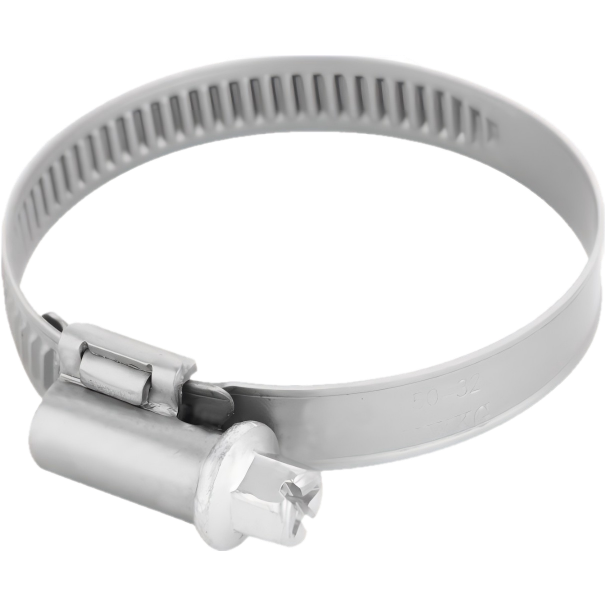
A metal worm gear clamp holds hoses onto fittings tightly. Turning the screw to the left opens the band for easy placement. Turning it to the right catches the threads to tighten the worm gear hose clamp. Using the correct tool like a hex nut driver keeps you from stripping the screw during installation. HWKG stainless steel clamps feature strong one-piece housings.
Key Takeaways
- Use a hex nut driver rather than a screwdriver so it does not slip and damage the clamp screws when installing.
- Position the widened metal clamp a quarter inch past the hose barb to make sure it creates a strong seal that will not leak.
- Turn the screw clockwise until it is tight enough to hold the hose firmly without slicing into the rubber.
How to Prepare a Worm Gear Clamp
Choose Tools for a Worm Gear Hose Clamp
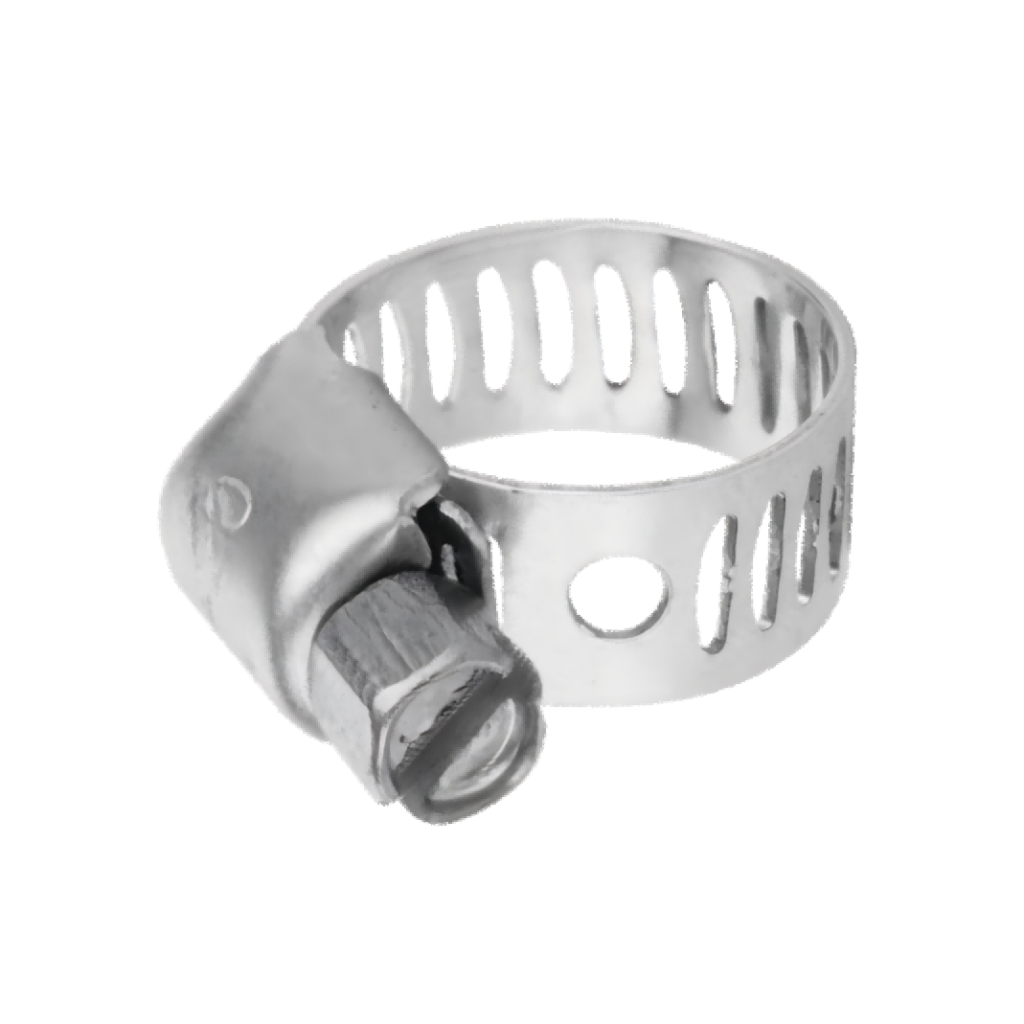
Selecting the right tools you need simplifies the installation process. Technicians prefer a dedicated hex nut driver over a flat-head screwdriver during installation. A screwdriver blade easily slips out of the screw slot. This slippage damages the fastener head and causes hand injuries. A nut driver grips the hex head tightly and prevents slipping under torque.
| Clamp series | Slotted hex-head screw size | Hex nut driver socket size |
|---|---|---|
| Standard/full-size (SAE Type F) | 5/16 in. | 5/16 in. |
| Miniature (SAE Type M) | 1/4 in. | 1/4 in. |
Selecting a proper size hose clamp ensures optimal seating over the rubber material. High-quality HWKG stainless steel clamps feature precision one-piece housings that hold the screw securely. This robust design handles firm drive torque without binding.
Unthread and Expand the Metal Band
Technicians follow four basic preparation steps before securing the hose connection:
- Wear safety gear – Put on cut-resistant work gloves and eye protection.
- Apply penetrating oil – Spray oil onto stiff or corroded screw threads and wait 10–15 minutes.
- Unthread the screw – Turn the housing screw counter-clockwise to expand the steel band.
- Protect the hose surface – Avoid prying under the metal band with sharp objects.
Turning the worm drive screw counter-clockwise opens the steel band. The user turns the screw until the loop expands wide enough to slide over the rubber hose smoothly. A quality worm gear hose clamp expands without binding.
The operator checks the unthreaded metal band for smooth mechanical movement. The strong housing on an HWKG worm gear clamp keeps the screw aligned during this opening phase. Proper opening prepares the band for a clean installation over the fitting.
How to Install a Worm Gear Hose Clamp

Good mounting seals liquid pipes and stops sudden pressure leaks. Fixers follow clear lining steps to fit a worm gear hose clamp right on soft tubes.
Align Clamp Past the Barb
Right placement stops harm to the inner tube skin during setup. Workers follow simple steps while fitting parts:
- Pick a right-sized loop and turn the gear bolt left until the metal ring glides easily across the tube.
- Push the loop onto the tube before attaching the tube to the joint.
- Slide the tube all the way over the joint past the small ridges.
- Move the loop back across the ridged spot, keeping it about 1/4 inch from the end for regular joints.
- Turn the gear bolt right with a small hand tool until the loop fits firmly.
Putting the ring right on top of a raised joint bump brings early joint damage. Poor placement makes a crooked seal along the connecting space.
- Make sure the metal ring stays straight across the tube middle.
- Spin the body about 30 degrees and tighten again if the bolt slots sit over a line.
- Place the turning bolt where you can reach it easily later for repairs.
A tilted ring makes uneven squeezing along the joint surface. Workers check that the inner band sits flat all around without twisting.
Tighten to Proper Torque Limits
Workers turn the worm gear bolt right to catch the metal band. The inside grooves pull the slotted ring through the strong steel cover.
Matching band width sizes call for exact tightness numbers:
| Clamp part | Band diameter range | Torque (in-lbs) |
|---|---|---|
| 07-HC2-5 | 0.71–0.98 in (18–25 mm) | 37 |
| 07-HC3-0 | 0.87–1.18 in (22–30 mm) | 45 |
| 07-HC5-0 | 1.38–1.97 in (18–50 mm) | 52 |
| 07-HC7-0 | 2.17–2.76 in (55–70 mm) | 60 |
Users turn tools until pressure feels even all around the soft tube skin. Too much force cuts into soft rubber and creates weak spots. Over-tightening thins the tube skin by almost half its size. This lasting shape loss brings deep surface cracks over time.
| Installation mistake | Failure consequence |
|---|---|
| Over-tightening | Hose cuts, band distortion, and reduced sealing consistency |
| Under-tightening | Fluid leakage and hose slip under operational pressure |
| Misaligned clamp | Uneven sealing pressure across the fitting barb |
You should check tight levels again after the system warms up once. Soft rubber shifts slightly when temperatures change over time. A quick bolt check stops unexpected liquid leaks after system heating. Following these steps helps workers set up a worm gear hose clamp safely on any pipe job.
Proper installation requires expanding the metal band, positioning it past the barb, and turning the screw clockwise to reach correct tension. Technicians inspect the worm gear clamp for even seating across the surface. They pressurize systems to verify a leak-free seal. Durable HWKG stainless steel worm gear hose clamp products provide long-lasting connections across industrial systems.
FAQ
Can technicians reuse a metal worm gear clamp?
Yes, workers can reuse stainless steel worm gear clamps. They inspect the metal band and screw threads for damage before reinstallation.
What tool works best for tightening a worm gear clamp?
A dedicated hex nut driver provides the best grip. It prevents tool slippage and reduces thread stripping compared to standard flat-head screwdrivers.
What happens if a mechanic over-tightens a worm gear clamp?
Over-tightening cuts into soft hose rubber and alters the band shape. This damage creates leaks, weakens the connection, and damages fitting barbs.